Choosing a PET strap manufacturer is a technical sourcing decision. The buyer is not only buying rolls of plastic strap. The buyer is buying load stability, machine compatibility and repeatable performance across many pallets. A low roll price can become expensive if the strap breaks, slips or causes delays on the packing line.
This guide explains how to compare PET strap suppliers, what affects PET strap price and which details should be included in an RFQ. It is written for B2B buyers who need PET strap for export pallets, industrial bundling or warehouse packaging.
Start with the cargo and equipment
The first question is what the strap needs to hold. Carton pallets, textile bales, metal bundles, concrete blocks and solar components all create different tension requirements. The second question is how the strap will be applied. Manual tools, semi-automatic machines and automatic systems can require different roll quality, edge consistency and surface behavior.
A manufacturer that understands the application should ask for cargo weight, pallet height, strap position, machine type and route conditions. If the supplier only quotes a generic roll, the buyer may not get a product that fits the real packaging process.
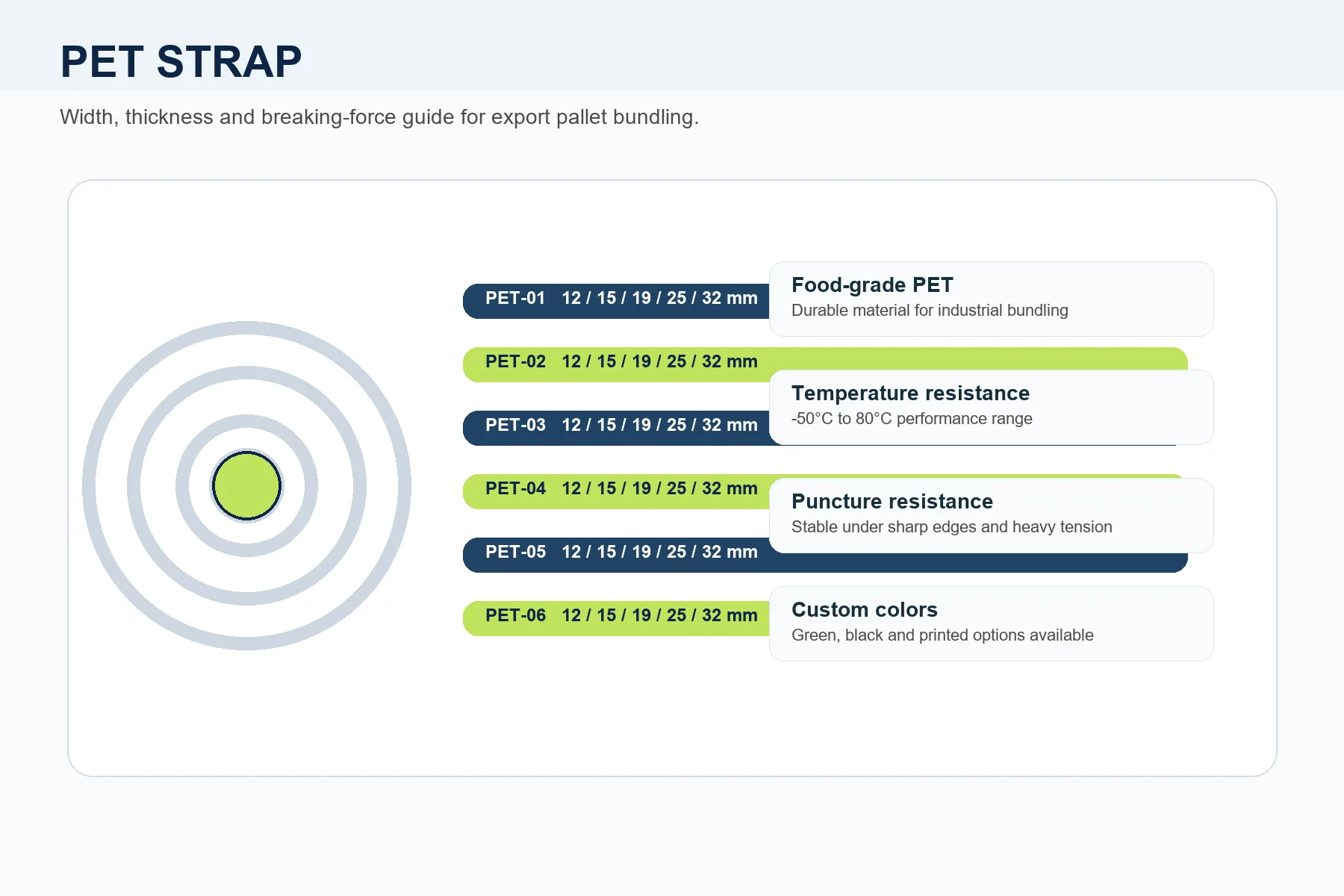
Main PET strap specifications
- Width and thickness.
- Breaking force and elongation behavior.
- Embossed or smooth surface.
- Roll length, core size and winding quality.
- Color, logo printing and carton packing.
Breaking force is important, but it should be checked together with roll consistency and equipment fit. A strap with a strong data sheet can still create problems if it feeds poorly through a machine or if roll winding is unstable. For repeat orders, keep an approved sample and written specification.
What affects PET strap price
PET strap price is influenced by width, thickness, raw material, roll length, color, printing, packing method and order quantity. Export packing also matters because strong cartons and pallet loading reduce damage before the strap reaches the buyer. The lowest price is not always the best value if it increases breakage or line downtime.
A better comparison is total usable meters, breakage rate and labor impact. If one supplier provides a more stable roll that reduces stoppages, the real cost may be lower even when the unit price is higher.
Manufacturer checklist
- Can the factory provide a data sheet for each strap size?
- Can it recommend a size based on cargo weight and application method?
- Can it support custom color, printing or smooth and embossed styles?
- Does it pack rolls securely for export shipment?
- Can it maintain the same specification for repeat orders?
Sample testing before bulk approval
A PET strap sample should be tested on the same cargo and equipment planned for production. Run the strap through the tool or machine, check feeding stability, apply normal tension and observe whether the seal or buckle holds correctly. If the strap will be stored before use, keep part of the sample in warehouse conditions and test again after several days.
Receiving inspection should include roll appearance, winding condition, edge quality, color consistency, label information and a short packing trial. These checks are simple, but they catch problems before the strap reaches a busy production line.
Repeat order control
For ongoing programs, record the approved width, thickness, roll length, color, surface style, carton packing and machine use. Also record monthly usage and reorder lead time. This turns PET strap purchasing from a repeated negotiation into a controlled packaging specification.
How PET strap works with edge protection
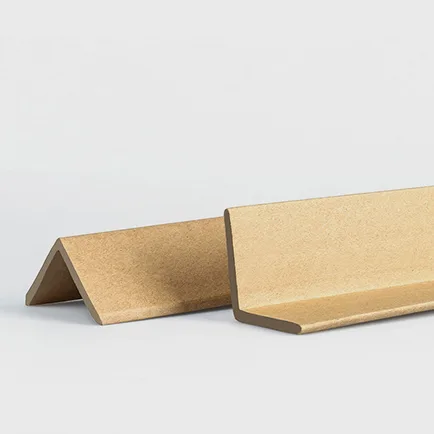
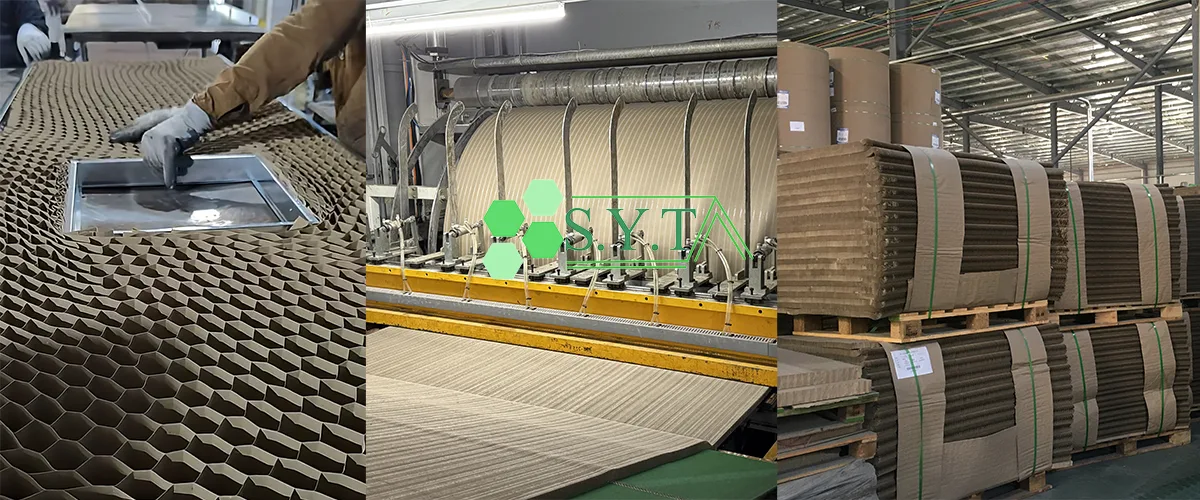
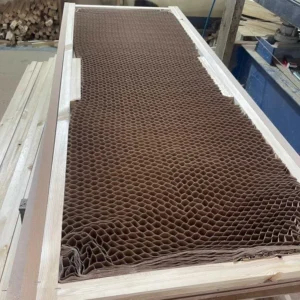
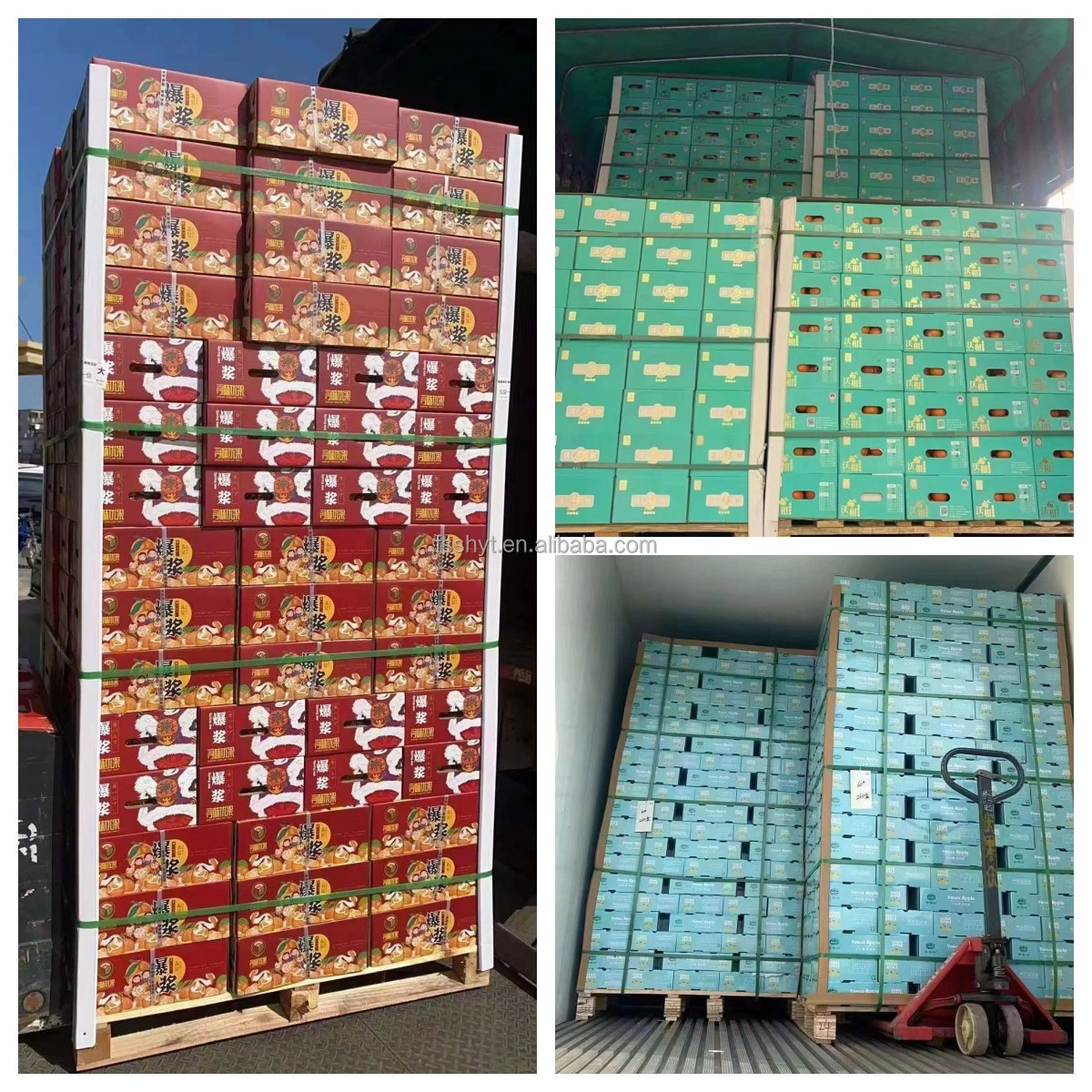
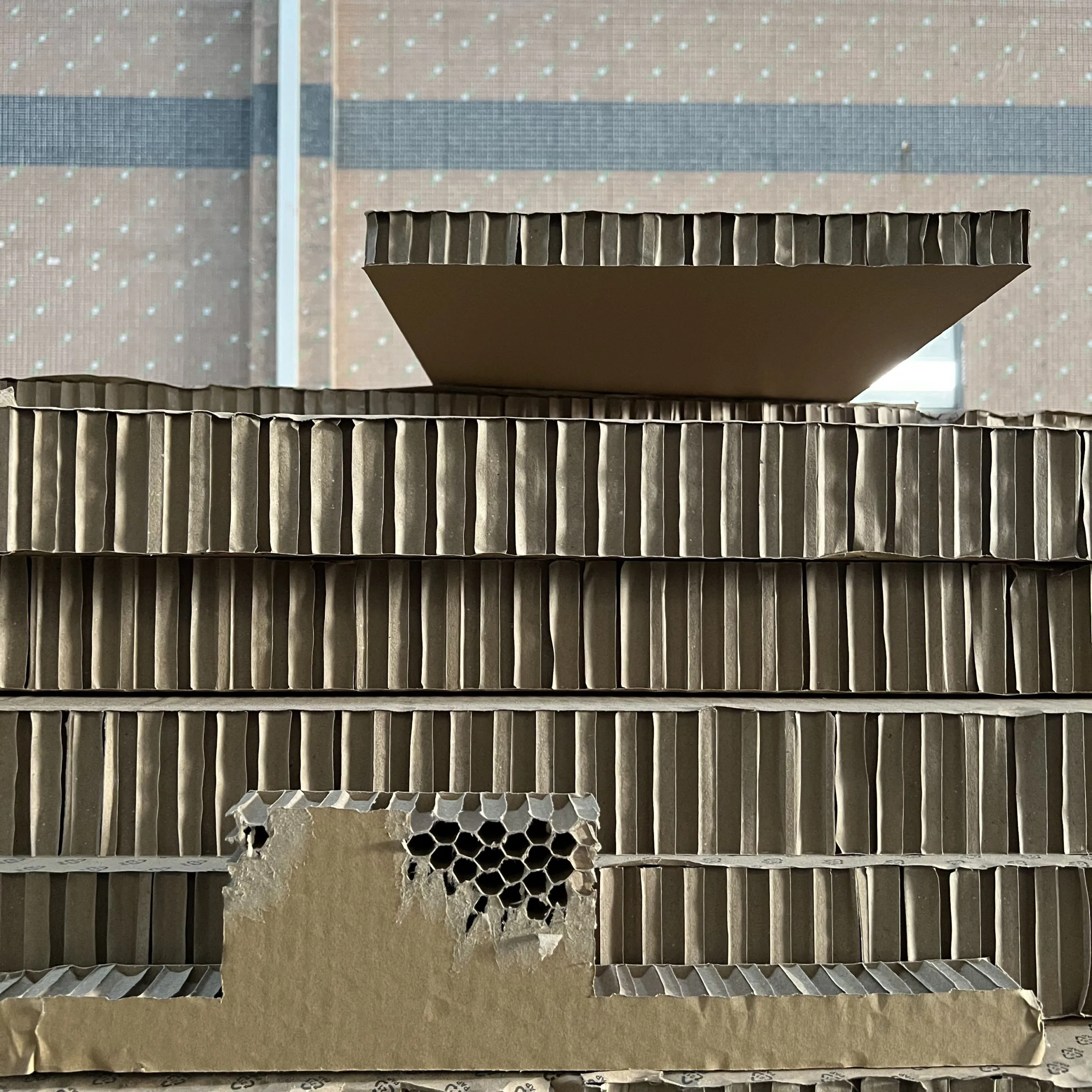
PET strap should not cut directly into fragile cartons or product edges. For high-tension applications, combine strap with paper corner protectors or paper edge protectors. This spreads pressure and keeps the load cleaner during transit. For layered cargo, honeycomb cardboard can add support between product levels.
FAQ
Is PET strap better than PP strap?
For many industrial and export loads, PET strap offers stronger holding power than PP strap. PP can still be suitable for lighter packaging.
Can PET strap be printed?
Yes. Logo printing and custom colors are common, but mechanical performance should be confirmed before branding details are finalized.
What should I send to a PET strap manufacturer?
Send cargo type, pallet weight, current strap size, equipment type, required color, monthly usage and target delivery schedule.
Conclusion
A good PET strap manufacturer helps match the strap to the cargo, not only the price list. For a tailored quote, send your current specification or cargo photos through the SYTPACK contact page.