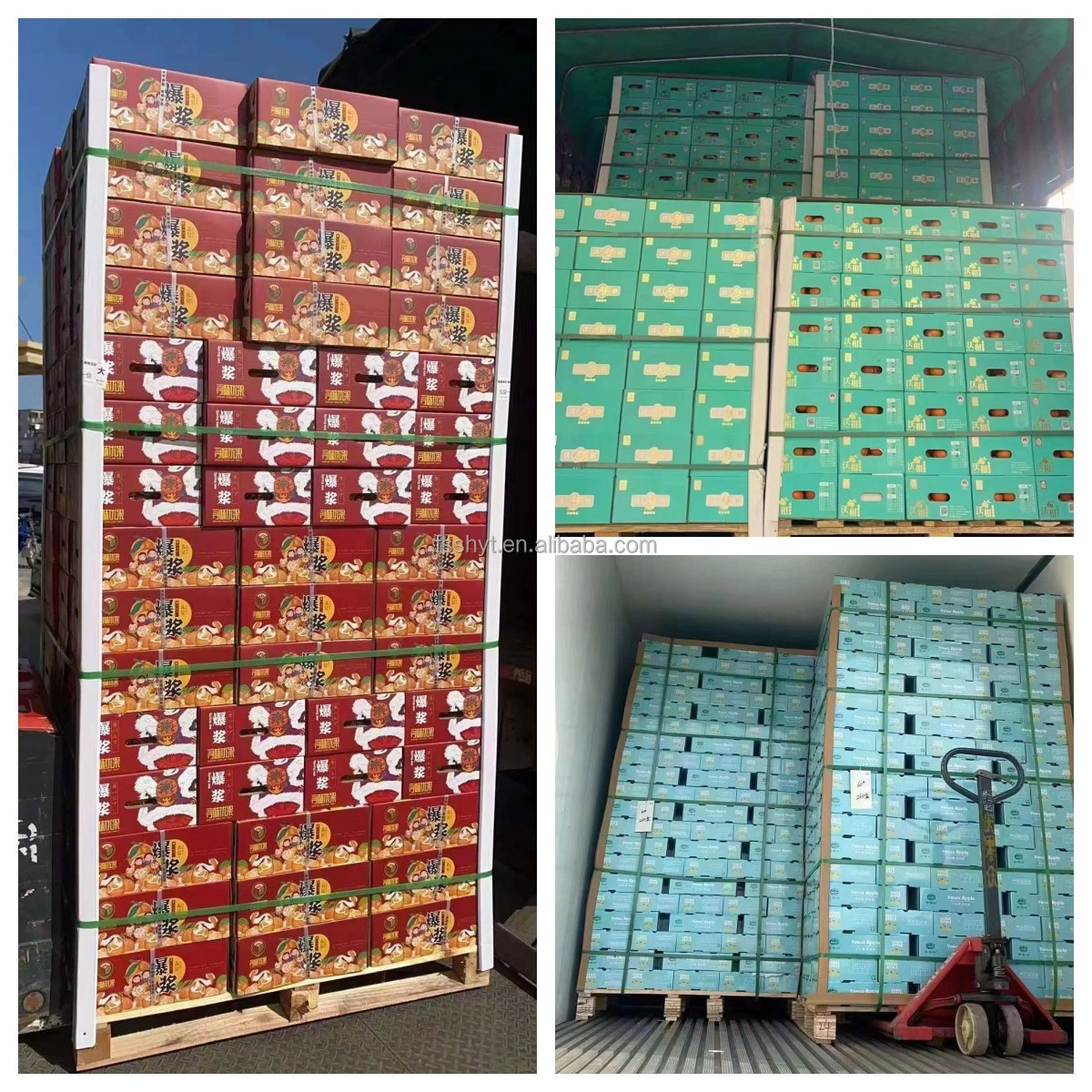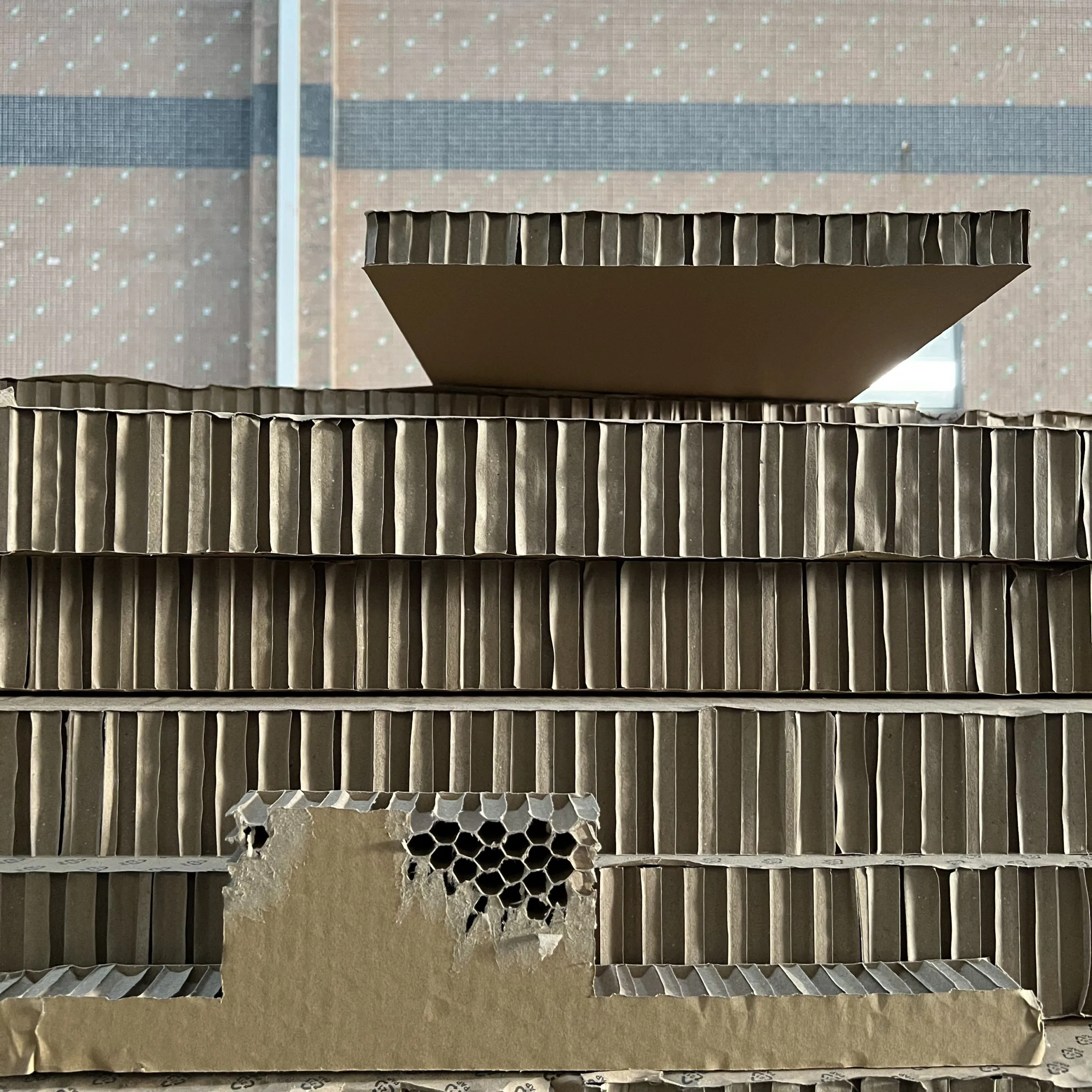
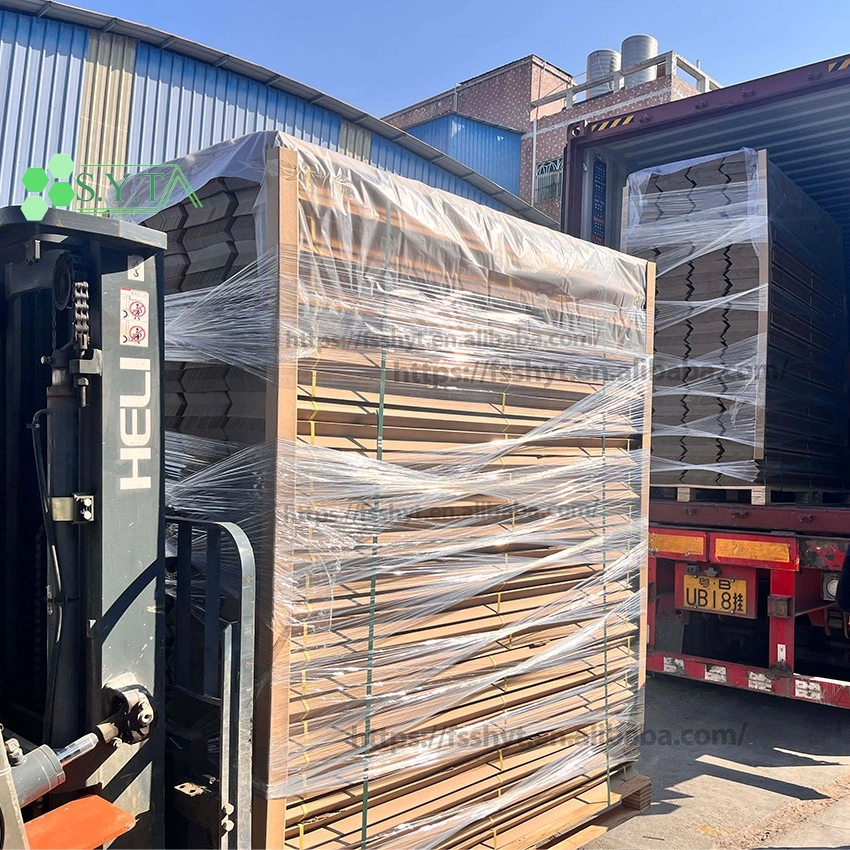
Every year, global exporters face a recurring nightmare: ocean containers arrive at destination ports, only for the doors to open on collapsed pallets, leaning cargo, and moldy packaging.
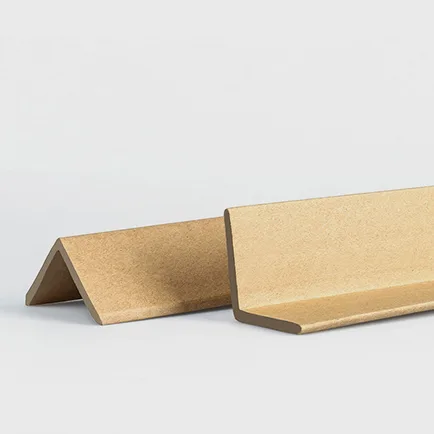
Often, the culprit is not the outer shipping carton, but the cheap paper edge protectors used to stabilize the load. Why do these seemingly rigid corner guards fail so spectacularly during a standard 30-day sea voyage? The answer lies in physics, humidity, and production quality.
The Humidity Trap: How Moisture Softens Paper Packaging
During a typical transoceanic transit—such as from Asia to Australia or the United States—the inside of a shipping container acts like a greenhouse. Relative humidity (RH) levels inside sealed containers frequently soar to 85% to 95% due to temperature fluctuations (the “container rain” phenomenon).
Standard paper corner guards are highly hygroscopic; they act like sponges for airborne moisture. Industry test data shows that when the moisture content of paperboard increases from a stable 8% to 16%, the material’s structural rigidity plummets by more than 50%(According to TAPPI T 804 standards).
Under high-tension strapping, a softened edge protector will buckle. Once a single corner guard bends, the vertical compression strength of the entire pallet is compromised, leading to immediate pallet collapse.
The Hidden Risk of Mold-Infested Cargo at the Port
Moisture doesn’t just weaken the paper; it invites mold. Paper edge protectors made from low-grade recycled paper contain organic starch adhesives that serve as perfect breeding grounds for fungi in humid, unventilated container environments.
This is a critical regulatory threat.In highly regulated markets like Australia, biosecurity inspection for shipping containers and packaging materials is a standard prerequisite. Detection of mold or organic contaminants often results in compulsory treatment protocols and unforeseen delays in the supply chain.
If inspectors find mold-infested pallet packaging at the port, the entire container may be flagged for mandatory quarantine, expensive commercial fumigation (costing thousands of dollars), or even complete rejection and return-to-sender—costs that far outweigh any initial savings on cheap packaging.
The Solution: What Makes a Truly Export-Grade Edge Protector?
To survive a 30-day sea voyage and arrive in pristine condition, edge protectors must be engineered specifically for the harsh realities of maritime logistics.
At our manufacturing facility, we prevent sea-freight failures through a strict, two-step export protocol:
-
Pre-Shipment Dual-Drying Process
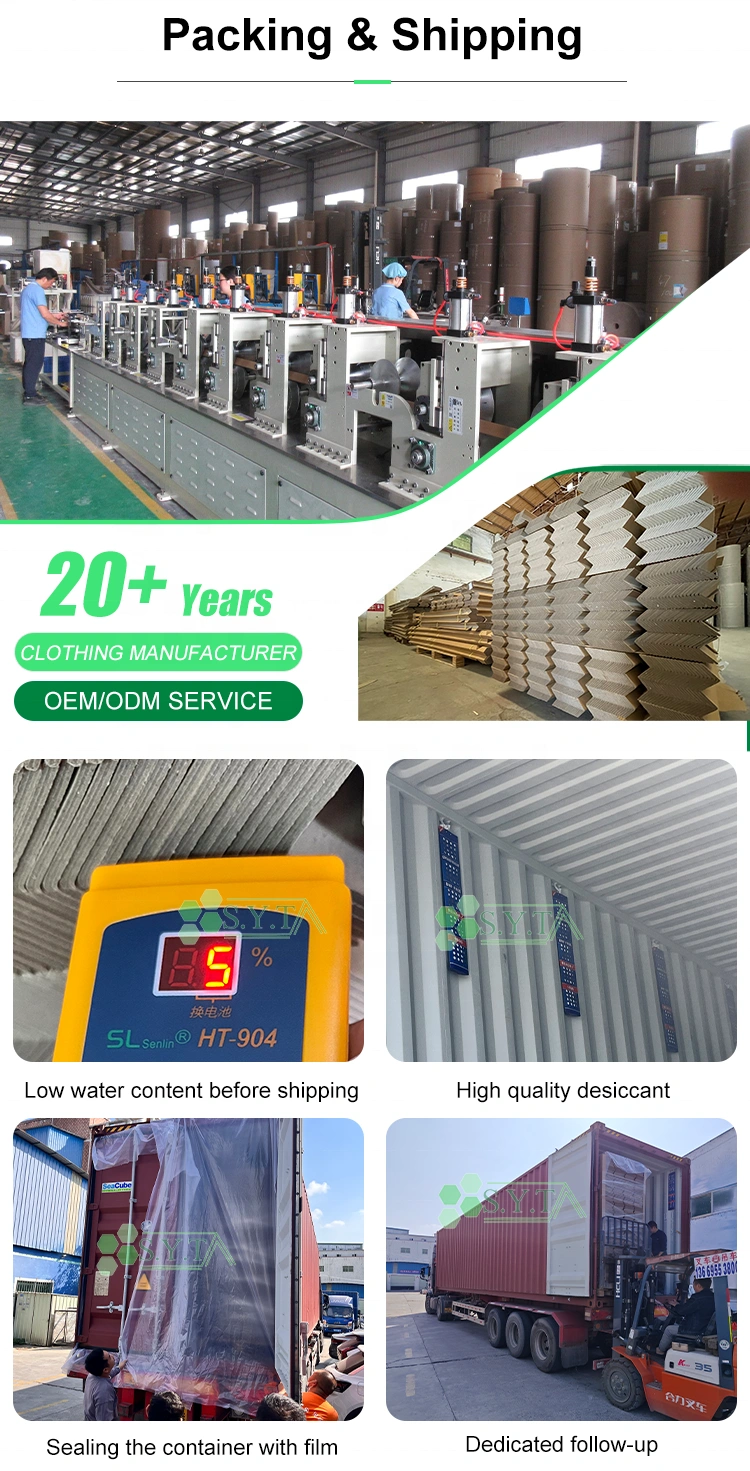
While standard manufacturers run paperboard through a single, rapid heating cycle, we implement a Double-Oven-Dried protocol. This advanced process forces the moisture level of our edge protectors down to an ultra-dry 8% to 10% before they ever leave the factory. This low moisture baseline acts as a buffer against humidity absorption during transit.
-
Active Moisture Barrier & Container Desiccants
We don’t just ship products; we ship secure logistics solutions. Our export packaging features moisture-resistant barrier wraps. Furthermore, we include industrial-grade desiccant packs inside every container to actively regulate the dew point during shipping, guaranteeing a Mold-Free & Mildew-Resistant delivery to your warehouse.
Export-Grade Edge Protector: Quality Standards & Factory Compliance Checklist
| Inspection Item | Quality Standards | Our Factory Compliance |
| 1.Core Moisture Content | 8% – 10% (±2%) | ✅ Executed |
| 2. Drying Process | Dual-Drying | ✅ Executed |
| 3. Moisture Barrier | PE/Water-proof Film Wrap | ✅ Executed |
| 4. Desiccant Placement | Container-specific Desiccants | ✅ Executed |
| 5. Outer Wrap | Full Pallet Stretch Wrapping | ✅ Executed |
| 6. Loading Documentation | HD Photos (Empty / Mid / Full) | ✅ Executed |
Conclusion: Protect Your Cargo, Protect Your Margin
Choosing cheap corner guards might save you pennies on paper, but a single collapsed pallet can cost your business thousands in returned cargo, damaged client relationships, and customs penalties. Investing in factory-direct, dual-dried packaging is the most cost-effective way to secure your supply chain.
Want to test the strength of our moisture-resistant edge protectors?
Contact our sourcing team today to request a moisture-resistant edge protector sample and sea-freight packing plan.