What Makes Honeycomb Board A Versatile Structural Paper Panel For Cargo Protection
What Is Honeycomb Board
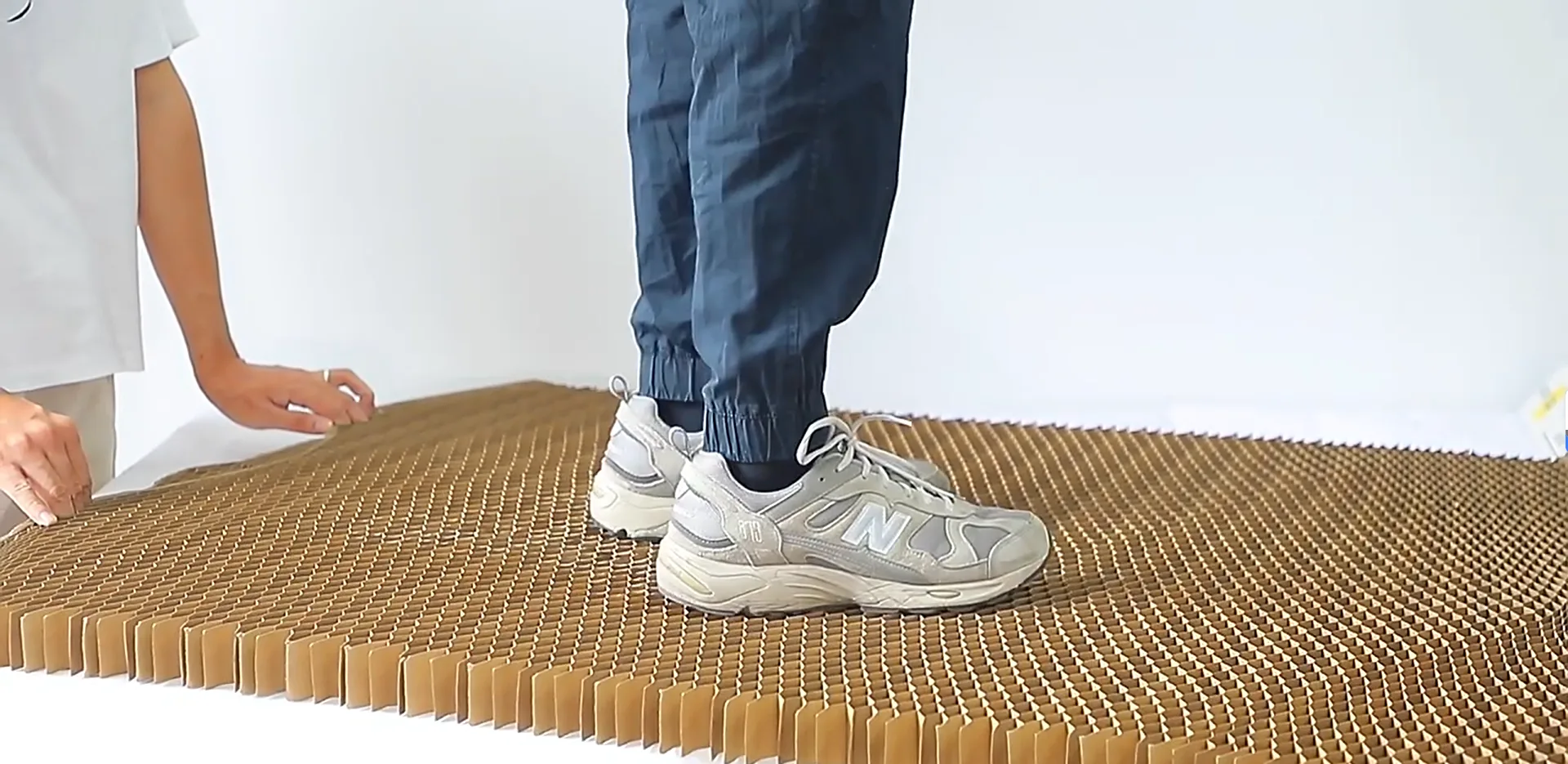
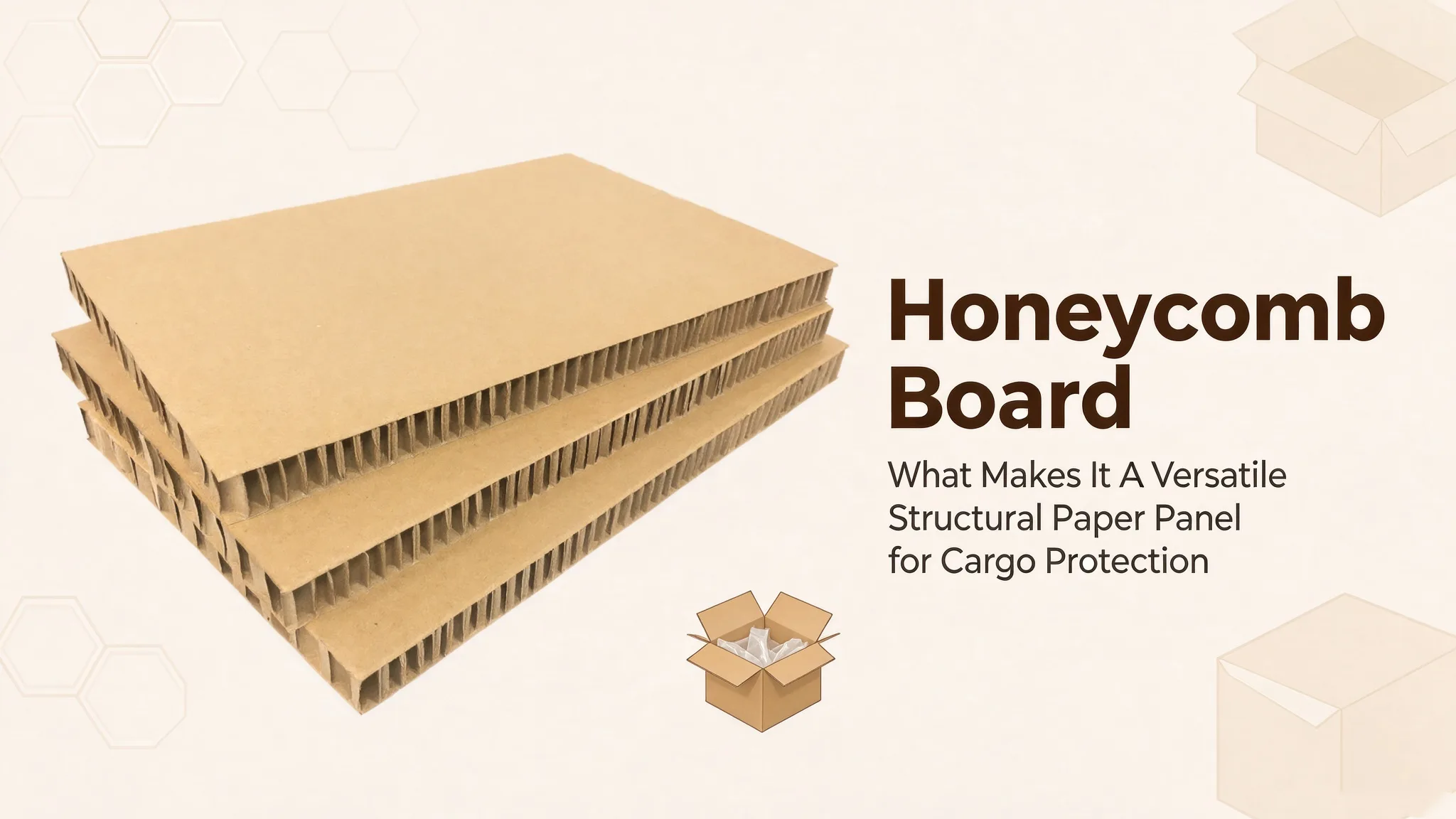
Honeycomb board is a finished sandwich panel assembled by bonding honeycomb paper core between two flat kraft face liners. Unlike loose honeycomb paper core which is only the hexagonal inner filling, honeycomb board forms a solid flat sheet ready for cutting and fabrication. The bonded structure locks the honeycomb cells in place, distributing point loads evenly across the panel surface. It is purely made of paper and starch adhesive, without laminated plastic layers or chemical coatings. This built-up panel differs fundamentally from standard corrugated board, whose fluted structure performs poorly when forces are applied perpendicular to the flute direction. Corrugated sheets often warp easily under uneven pressure, while the uniform honeycomb geometry maintains flatness much better.
Unique Structural Properties of Honeycomb Board
The core value of honeycomb board lies in its flat rigidity and bending resistance. It achieves stable stiffness without excessive paper consumption. When used as a spacer or backing sheet, it resists bending and bulging under concentrated pressure from stacked goods. Panel thickness can be adjusted widely, from thin divider sheets for separating individual items to thick heavy-duty support plates. Cell size and liner paper weight are configurable to tune hardness and impact resistance. Its flat surface also makes it easy to wrap, fix and fit inside custom packaging assemblies. Even under continuous static load over long transit cycles, well-made honeycomb board retains its shape and supporting capacity.
Practical Use Cases In Packaging Systems
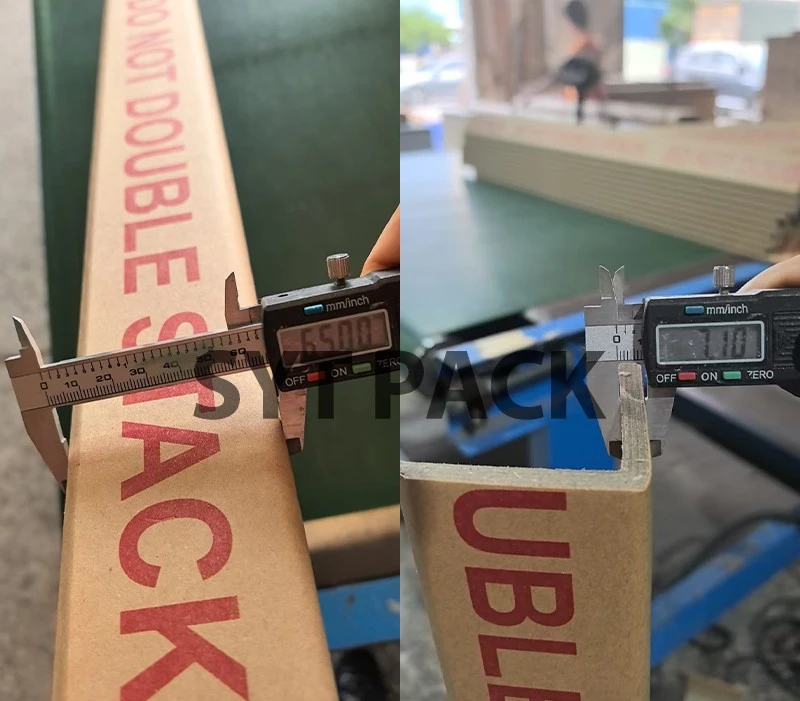
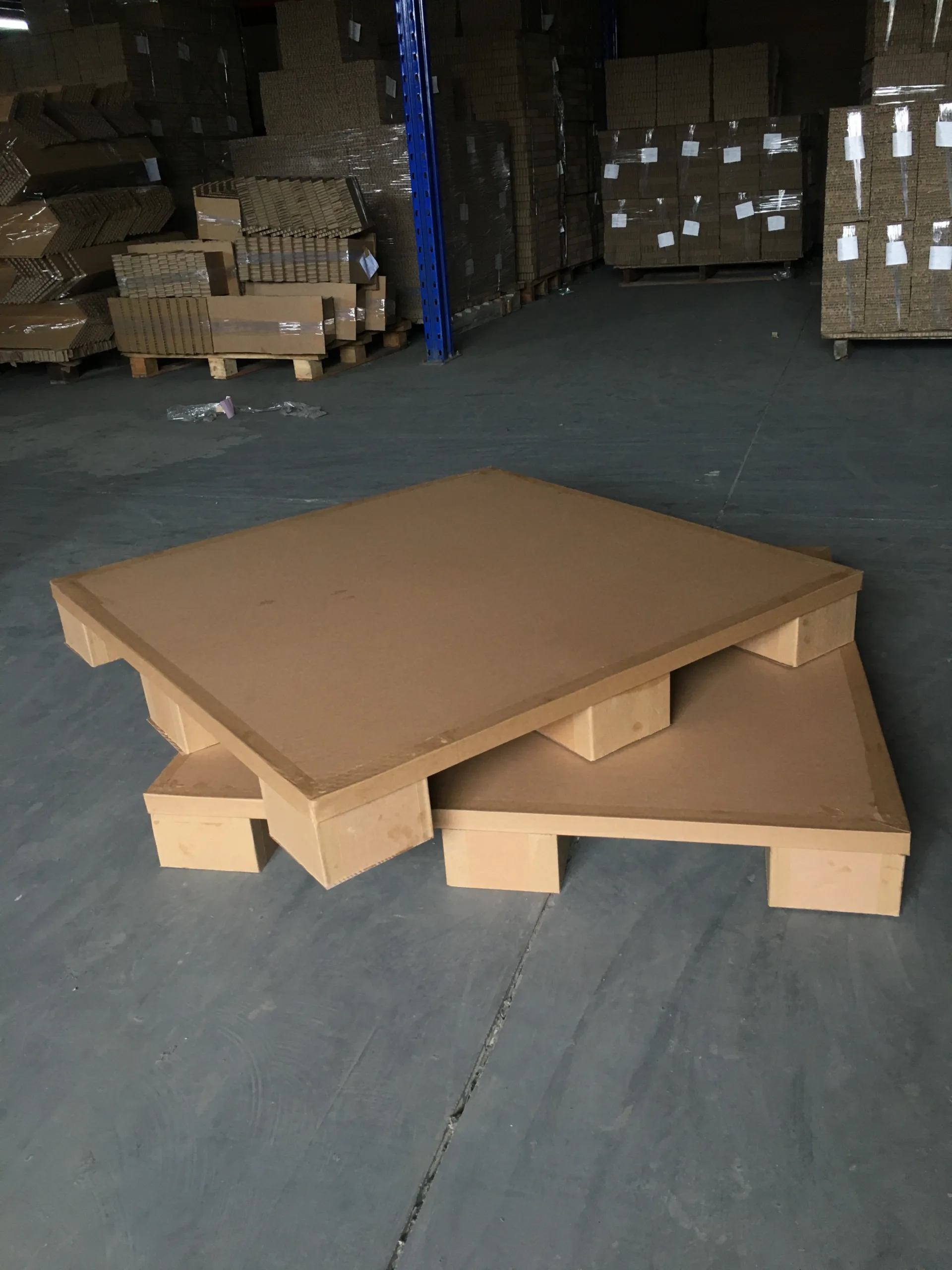
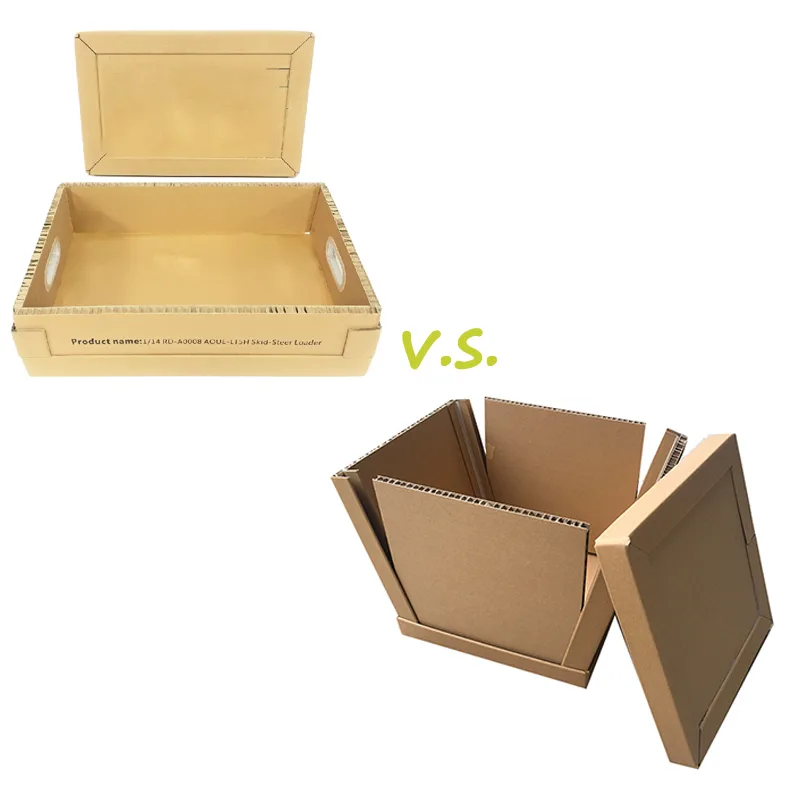
Honeycomb board serves many supporting roles that standalone honeycomb paper core cannot handle. It is commonly cut into divider sheets to separate heavy components and prevent direct contact between workpieces. Manufacturers use it as backing plates for furniture panels to avoid bowing during transit. It works as load-spreading base sheets inside cartons, spreading sharp or concentrated weight so carton bottoms do not rupture. It can also be processed into temporary backing, protective cover plates, and internal bracing. Many packaging designs combine honeycomb board with paper edge protectors to form an all-paper protective set. This combination is widely adopted for metal parts, stone products and large decorative panels that need rigid internal support.
Honeycomb Board vs Honeycomb Paper Core
It is easy to mix these two related but distinct items. Honeycomb paper core is the unfolded or expanded hexagonal raw medium, the inner filler material. It cannot hold shape or bear load by itself without face liners. Honeycomb board is the finished panel product after laminating face paper onto the core. If you need flexible filling to fill void space, you select honeycomb paper core. If you need a firm, flat, cuttable sheet for structural support and separation, honeycomb board is the correct choice. They are complementary rather than interchangeable, and many packaging projects use both materials together for different protection tasks.
Fabrication And Handling Advantages
This paper panel is user-friendly for on-site packaging operations. It can be cut, sawed, notched and sized to custom dimensions without special equipment. It is lightweight to move and position during packing, bringing less physical burden for warehouse teams. It generates no splinters like timber and will not scratch painted or polished product surfaces. Offcuts are clean paper waste and can be recycled directly together with other paper packaging scrap. No complicated treatment is required before recycling. Workers can cut pieces on demand to adjust packaging layout, which brings great flexibility for mixed-item shipments.
Selecting The Right Honeycomb Board For Your Project
When placing an order, you need to clarify your main purpose first. For light separation and surface protection, thin boards with lighter liners are enough. For heavy load spreading and long-distance transport, choose thicker panels with high grammage kraft liners. We control bonding consistency carefully to avoid delamination under pressure. Stable adhesion ensures the panel keeps its rigidity throughout the shipping cycle. We support custom sizes and small trial cuts, so you can test the panel performance before rolling out to full production packaging lines. Our team can also suggest suitable specs once you share the weight of your goods and packaging layout.