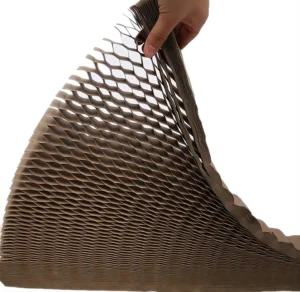
Buyers searching for honeycomb cardboard sheets usually need a material that can protect cargo, separate layers or add structure without the weight of wood. The product name sounds simple, but a good purchase depends on the final job. A sheet used under a pallet load needs different stiffness than a panel used for a retail display or a pad used inside a carton.
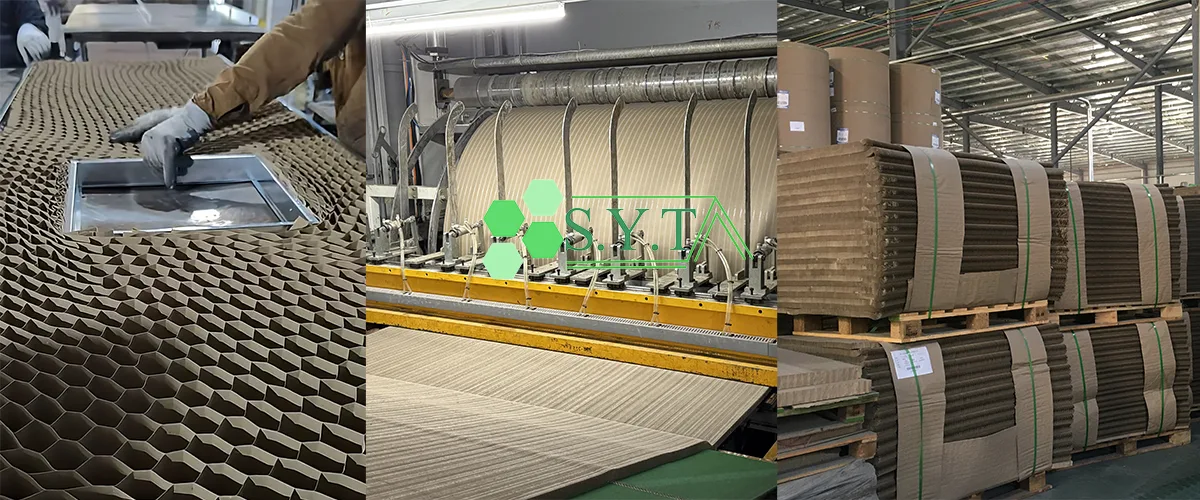
This guide explains how to compare honeycomb cardboard sheets and panels before sending an RFQ. It also shows how the material connects with SYTPACK honeycomb cardboard, paper corner protection and PET strapping in a complete export packaging system.
Honeycomb sheets vs honeycomb panels
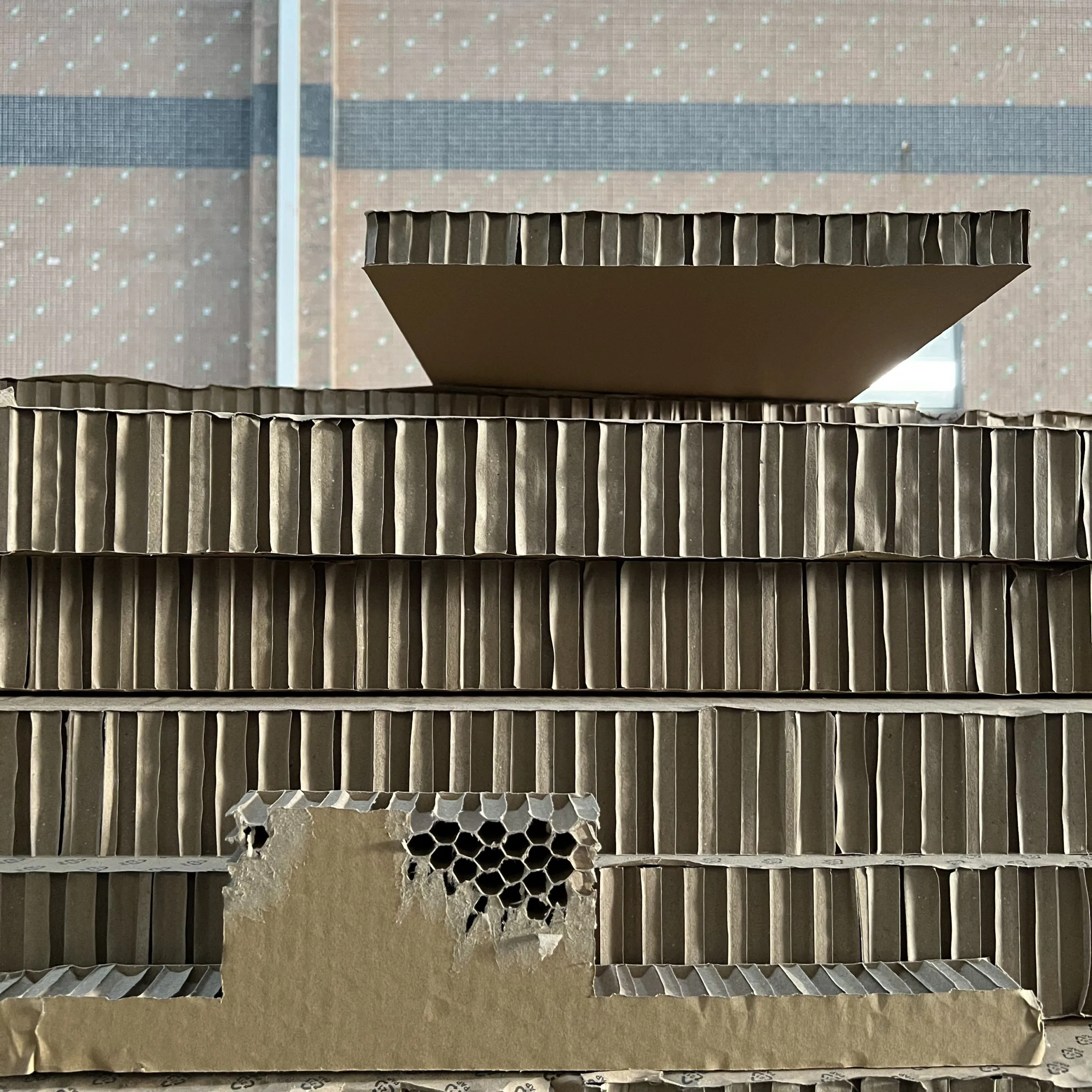
A honeycomb sheet is often used as a flat protective layer, while a honeycomb panel usually suggests a stronger or more finished structure. In real purchasing conversations, suppliers may use the words differently, so the buyer should define the application instead of relying only on the product name. Tell the supplier where the material will sit, how much pressure it must handle and whether the surface will be visible to the final customer.
For pallet protection, the sheet needs stable thickness, clean cuts and enough compression resistance. For displays, the buyer may also need a clean surface, good print compatibility and accurate shapes. For door or panel filling, the buyer should focus on core consistency, thickness control and bonding performance.
Main specifications to compare
- Length, width and thickness.
- Paper grade, cell structure and board stiffness.
- Surface color, lamination, coating or print requirement.
- Edge finish, cutting tolerance and flatness.
- Packing method for sea freight and warehouse storage.
Thickness is one of the first numbers buyers discuss, but it should not be treated alone. Two boards with the same thickness can perform differently if the paper grade, cell quality and bonding are different. Ask for a sample that matches the expected production specification, then test it in the real packaging position.
Applications that change the buying decision
Pallet pads and layer protection
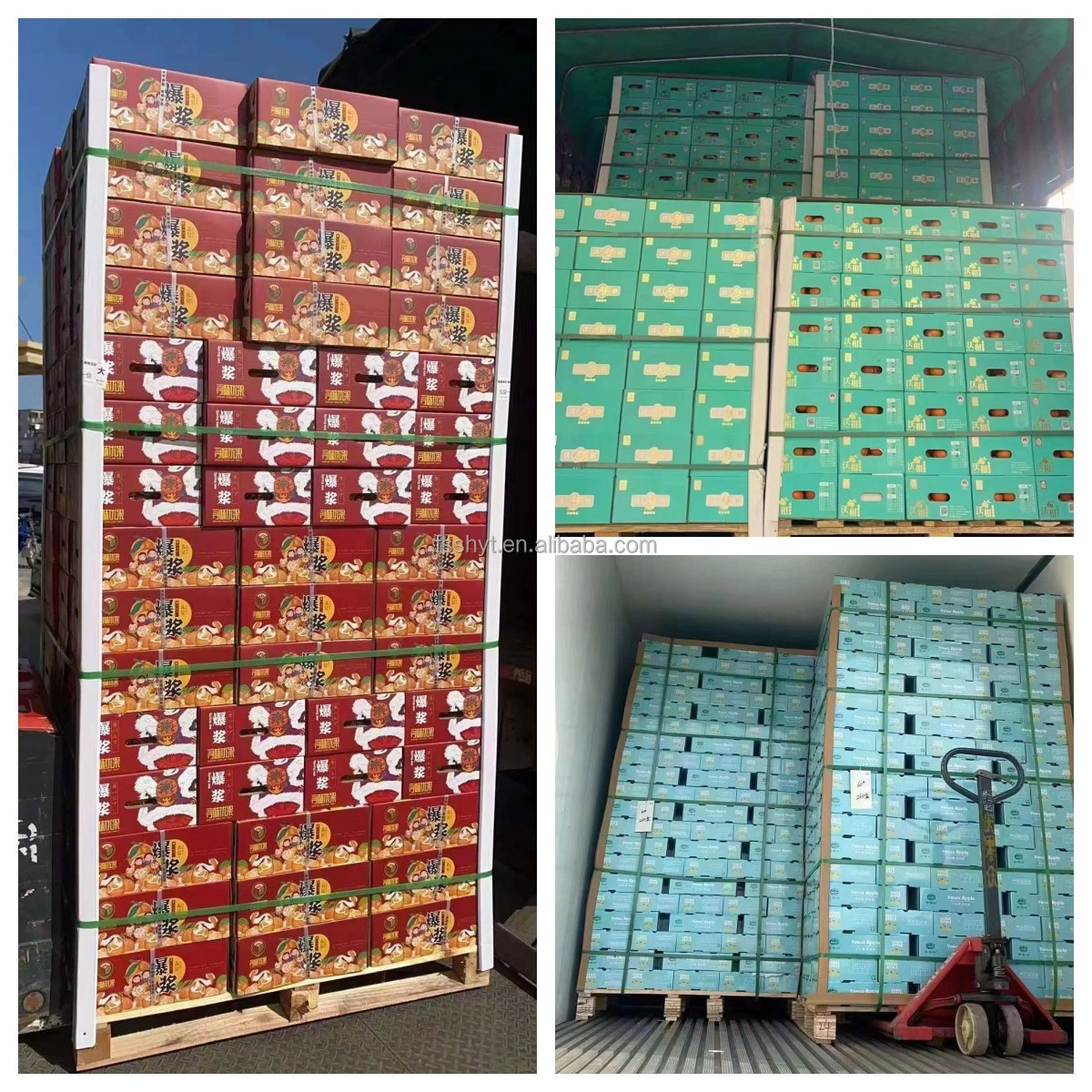
When honeycomb cardboard sheets are used as pallet pads, the goal is usually to spread pressure and protect products from compression or surface damage. The buyer should test whether the sheet stays flat, whether it resists dents and whether it works with the chosen pallet and strap pattern.
Retail displays and advertising stands
Display structures need a better visual finish. A low-cost structural sheet may not be suitable if the product surface is visible in a retail environment. Ask about print compatibility, edge appearance and assembly method before confirming a display order.
Door, panel and furniture filling
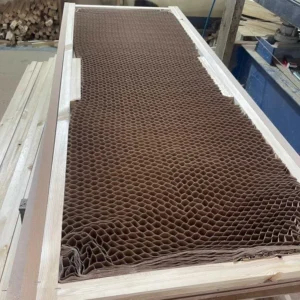
For internal filling, consistency matters more than decorative appearance. The buyer should focus on thickness, expansion quality and how the material behaves during lamination or assembly. This is also where honeycomb paper core may be a better fit than finished board, depending on the production process.
Supplier questions before ordering
- Can the factory repeat the same thickness and size across multiple orders?
- What sample size can be supplied for real packaging tests?
- How are sheets packed to avoid moisture and edge damage?
- Can the factory cut sheets or panels to the exact application size?
- What lead time applies to sample, trial order and bulk production?
Sample approval and receiving checks
A sample should be placed under the real load, inside the real carton or in the display structure where it will be used. Check whether the board stays flat, whether the edges remain clean and whether the thickness works with the rest of the package. For bulk receiving, inspect sheet size, surface condition, packing damage and whether the material matches the approved sample.
For repeat orders, keep one approved board as a reference. This helps purchasing, quality control and the supplier use the same standard when the next order is placed. A clear retained sample is especially useful when several warehouses or factories use the same packaging item.
Common sourcing mistakes
The biggest mistake is asking only for honeycomb cardboard sheets without explaining the application. Another mistake is choosing the lowest price before checking thickness tolerance, moisture protection and cutting quality. Buyers should also avoid approving a small clean sample without testing how the material behaves after packing, stacking and shipping.
How to use sheets with other packaging materials
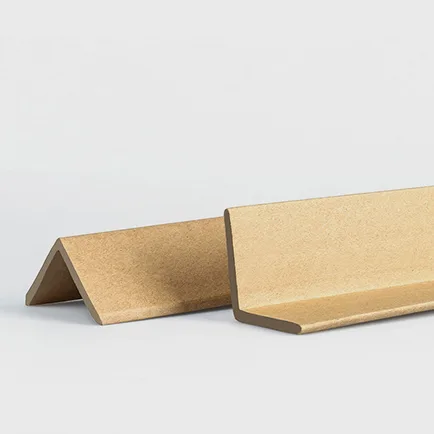
Honeycomb cardboard works best as part of a packaging system. Use paper corner protectors to distribute strap pressure at the edges, PET strap to hold the load together and honeycomb sheets to add structural support between or under products. The result is usually more stable than relying on one material alone.
FAQ
Are honeycomb cardboard sheets recyclable?
They are usually paper-based and recyclable, but buyers should confirm any coating, printing or local recycling requirement before final approval.
What information should I send for a quote?
Send size, thickness, quantity, final use, load condition, photos or drawings and the target delivery schedule.
Can sheets be custom cut?
Yes. Custom cutting is common when the material is used for pallets, cartons, displays or panel structures.
Conclusion
A strong honeycomb cardboard sheet order begins with the application, not only the catalog name. If you need custom sheets or panels, send your dimensions and cargo photos through the SYTPACK contact page for a practical recommendation.