L-Shape Angleboard vs. U-Shape: 3 Keys Factors to Boost Cargo Stability Instantly
Introduction
In the industrial packaging sector, the geometric profile of a protector determines its mechanical performance and application suitability. While diverse shapes are available, L-profiles and U-profiles serve as the foundational components for modern unitized loads. Selecting the appropriate shape is a strategic decision that impacts both the safety of the cargo and the overall efficiency of the logistics process, especially when considering the significant stresses of transoceanic transit. For the majority of global exporters, the L-Shape angleboard has emerged as the more versatile and cost-effective standard, while the U-shape remains a specialized solution for specific niche applications.
Why is the L-Shape Angleboard the Primary Standard for Furniture Exports?
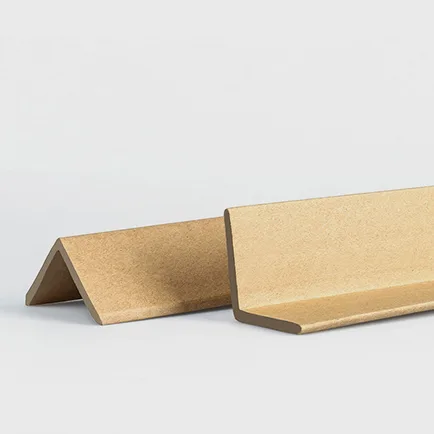
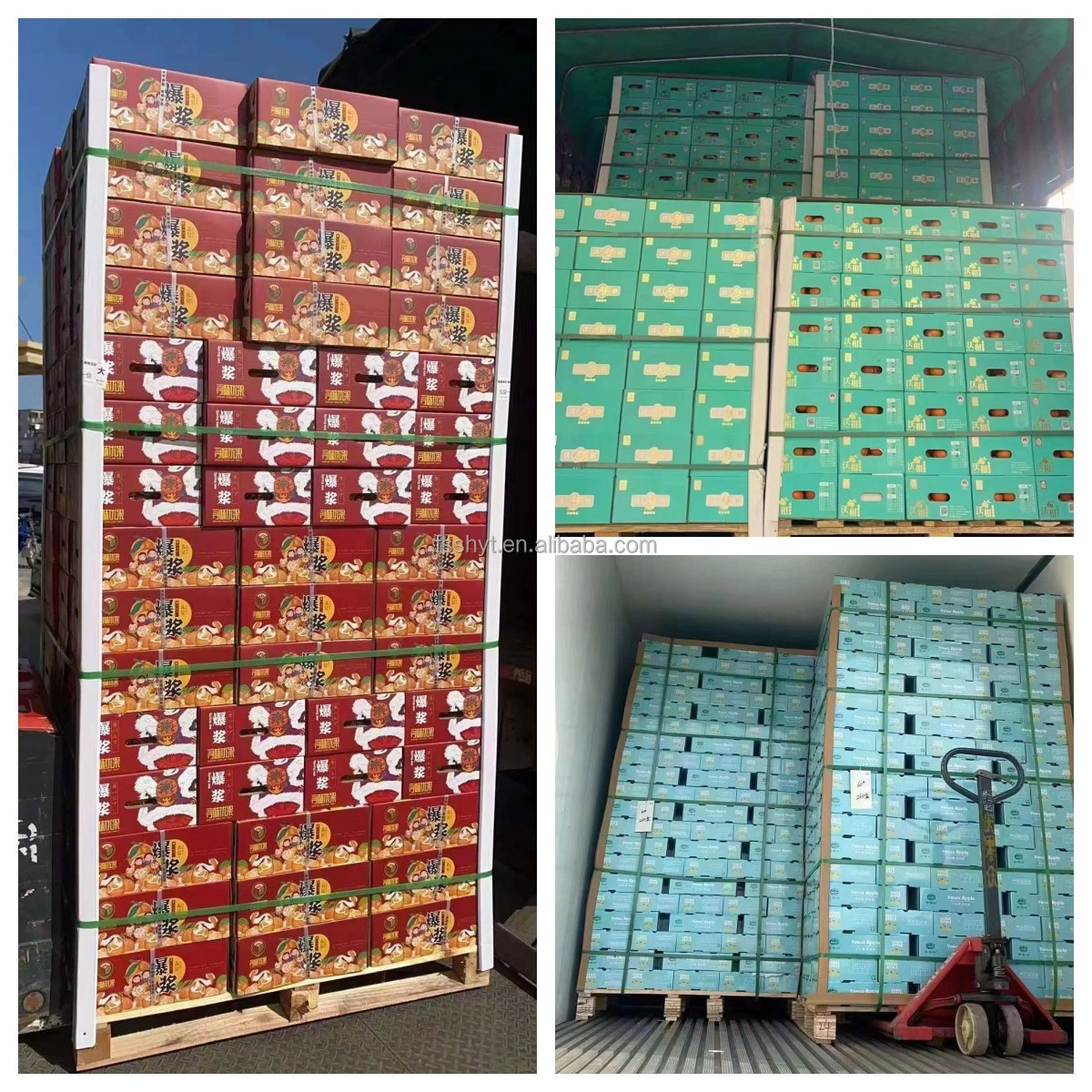
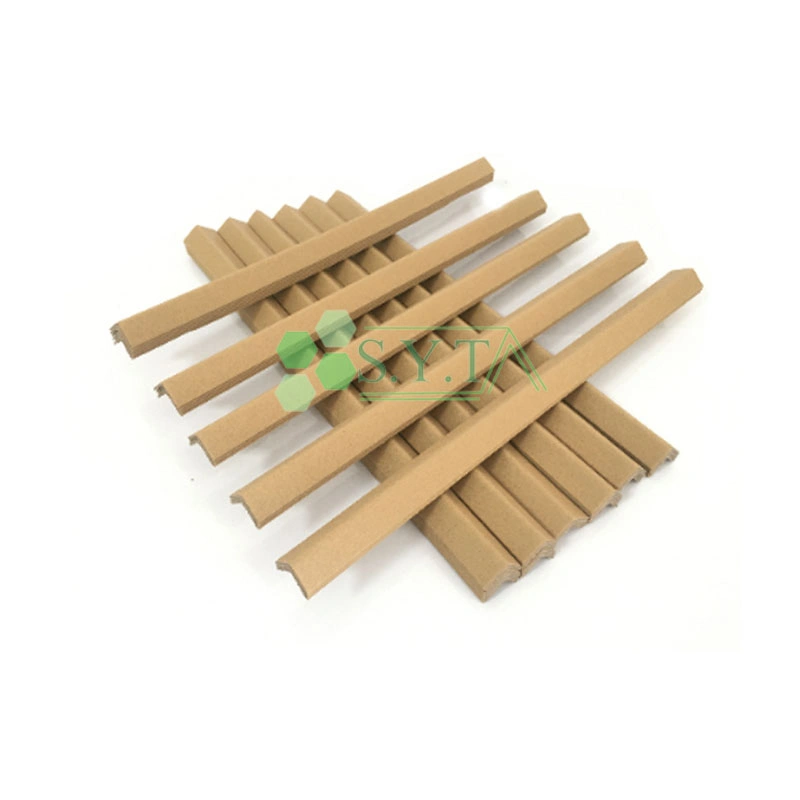
The L-shape (or Angleboard) is utilized for approximately 80% of standard export shipments due to its versatility and production efficiency. Its 90-degree structure is specifically engineered to reinforce the vertical corners of a pallet, which are responsible for carrying between 60% and 80% of the total vertical load [1]. For furniture manufacturers, L-shape protectors provide an optimal balance between cost-efficiency and structural integrity, ensuring that high-tension strapping does not indent delicate finishes while simultaneously activating the “Pillar Effect” for stable multi-layer stacking. Unlike more complex profiles, the simple geometry of the L-shape also allows for faster production speeds and lower per-unit costs, making it the economical choice for high-volume export operations.
What Gives the L-Shape a Decisive Cost Advantage Over the U-Shape?
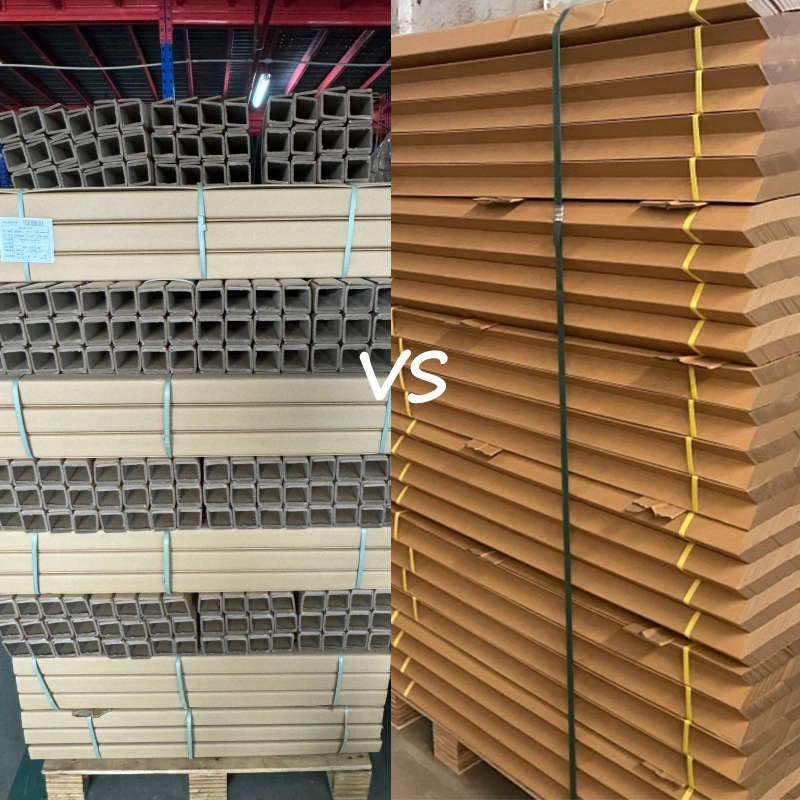
From a manufacturing perspective, the L-shape profile offers significant economic benefits. Its straightforward two-sided structure requires less raw material and simpler tooling compared to the three-sided U-shape. This translates into a lower unit price and more efficient use of high-density core board paper. Furthermore, because L-shapes are produced at higher volumes across a wide range of standard sizes (30mm to 50mm wing widths), they benefit from economies of scale that U-shape profiles—often produced in smaller batches for custom orders—typically cannot match. For procurement managers, this means that integrating L-shape protectors into the standard packaging workflow results in a more predictable and competitive total cost of ownership without compromising the structural integrity of the palletized load.
How Does U-Shape Protection Differ in Heavy-Duty Edge Reinforcement?
Unlike the L-shape, which protects two sides of a corner, the U-shape (or channel protector) provides a three-sided enclosure. This profile is frequently utilized for narrow or flat products, such as wooden panels, glass sheets, or thin metal components. By “clipping” onto the edge of the product, the U-shape provides a higher degree of lateral protection. This structural containment ensures that the product remains centered within the packaging and is shielded from extreme impacts during mechanical handling. However, for the vast majority of standard export pallets—especially those stacking boxed furniture or appliances—this additional lateral containment is often unnecessary, as the stretch film and strapping already provide sufficient horizontal stability.
Can Shape Selection Affect Your Total Pallet Stacking Strength?
The choice between L and U shapes directly impacts the distribution of vertical pressure. According to research, utilizing a heavy-duty L-Shape angleboard can redistribute up to 45% to 60% of top-load pressure away from the carton walls [2]. While the U-shape offers superior perimeter defense for flat bundles, the L-shape is generally more effective at creating the vertical “columns” needed for high-density warehouse stacking. Furthermore, maintaining a moisture level of 8%-10% in either profile is essential, as a rise to 16% moisture can lead to a 50% reduction in structural rigidity [3][4]. For exporters seeking a reliable, all-purpose solution, the L-shape delivers the highest return on investment across multiple product categories and shipping conditions.
Structural Comparison Matrix
Conclusion For manufacturers seeking to optimize their supply chain, the decision between L and U profiles should be based on the specific fragility and weight distribution of the cargo. While U-shapes serve a valuable role in specialized edge protection, the L-shape remains the industry workhorse—offering unmatched versatility, superior cost-efficiency, and proven stacking performance for the majority of global export applications. At our facility, we engineer both profiles using starch-based adhesives to ensure they remain fully compatible with international recycling streams while providing the necessary rigidity for the most demanding transit routes.
References: [1] IEOM Society (2023). [2] Soroka, W. (2009). [3] Absortech Group (2023). [4] Kellicutt & Landt (1951).