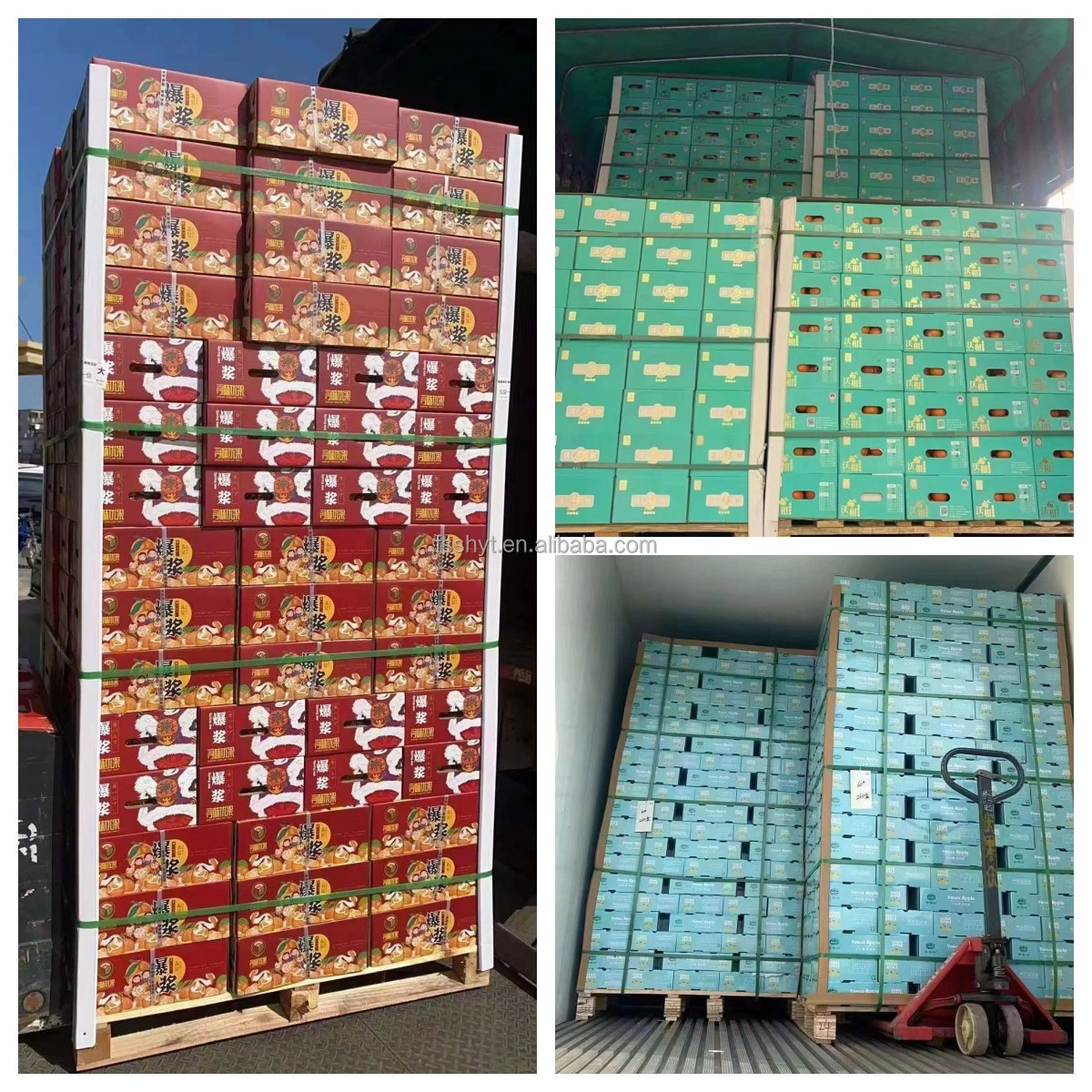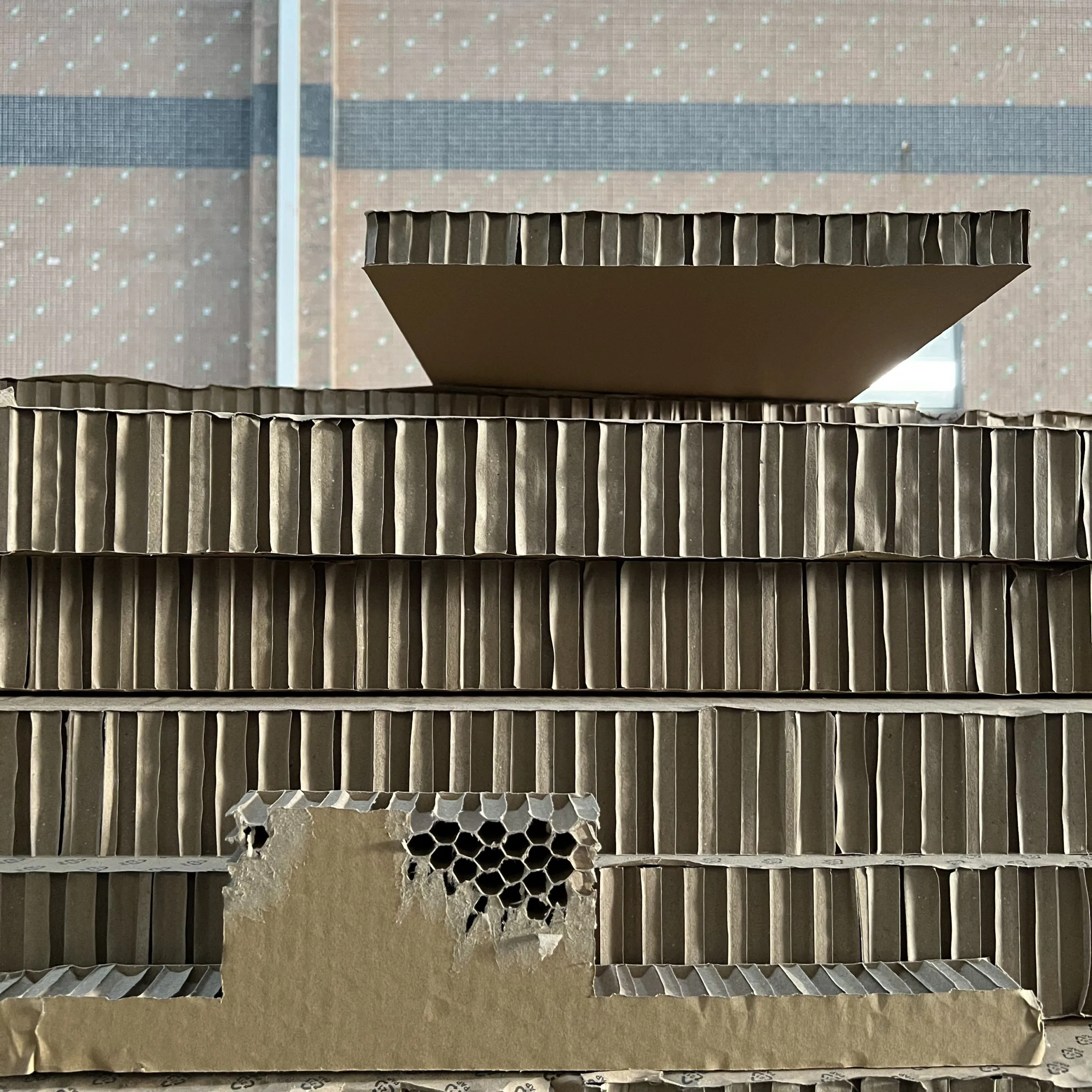
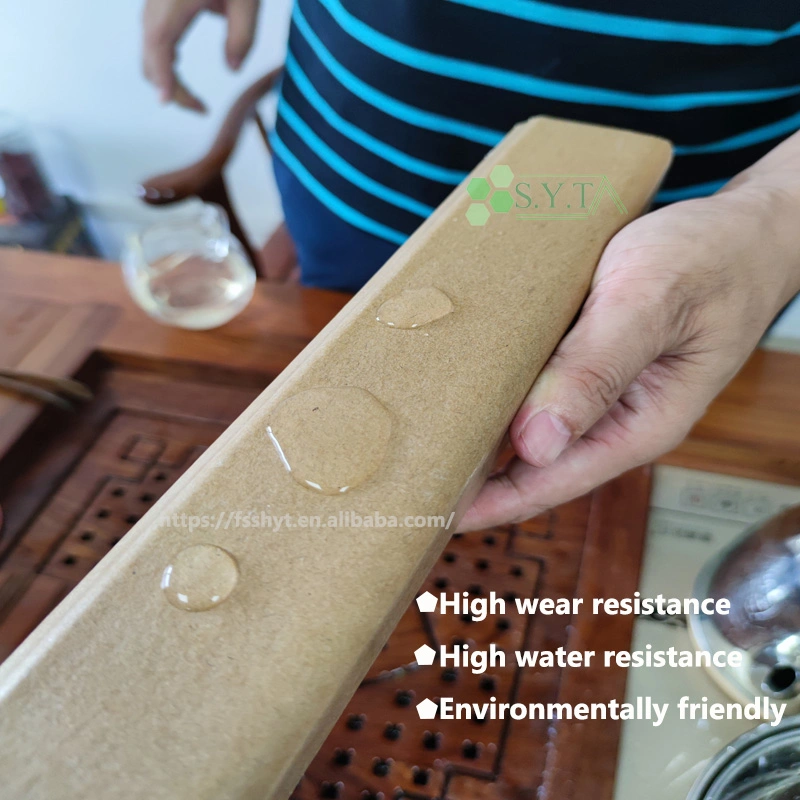
Analyzing 7 Critical Scenarios for Edgeboard Protectors in Global Logistics
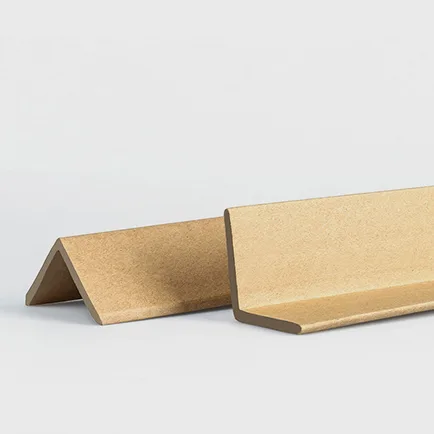
Introduction In the complex environment of international shipping, a standard corrugated box often lacks the necessary reinforcement to survive various environmental stressors. During a typical transoceanic transit, the inside of a sealed container frequently acts like a greenhouse, where relative humidity (RH) levels can soar to 85% and 95% due to temperature fluctuations [1]. Research indicates that as the moisture content of paperboard increases from a stable 8% to 16%, the structural integrity and compression strength of the packaging can decrease by approximately 50% [2]. In such high-risk conditions, Paper Edge Protectors (also known as Angleboards) serve as indispensable components for maintaining the stability of the entire supply chain.
How Can Internal Edgeboard Protectors Prevent “Internal Collapse” in High-Humidity Containers?
When the outer walls of a carton soften due to high humidity, the risk of a catastrophic collapse increases. Placing protectors inside the four corners of the box creates a vertical “internal skeleton.” This structural reinforcement maintains the box’s load-bearing capacity even when the external paperboard is compromised by moisture. By preventing the corners from buckling, internal protectors ensure that the vertical load is transferred safely through the internal supports rather than the softened outer walls.
Why Is Packaging Synergy Between Strapping and Edgeboard Protectors Essential?
It is a documented packaging principle that the four vertical corners of a corrugated box carry between 60% and 80% of the total vertical load [3]. Without edge protection, high-tension strapping often crushes these critical load-bearing points. L-profiles distribute the strap pressure across a wider surface area, allowing for higher tension levels without compromising the product’s safety. This synergy ensures that the load remains secure during the dynamic movements of ocean freight.
In What Ways Do Edgeboard Protectors Enhance the Efficiency of Stretch Film?
Edgeboards provide rigid, defined corners that allow stretch film to be applied with consistent and higher tension. This process converts multiple individual units into a single, cohesive “Rigid Block.” By creating a stable perimeter, edge protectors significantly reduce the risk of load shifting during maritime or road transit, ensuring that the entire pallet moves as a unified structure rather than a collection of loose cartons.
How Do Edgeboard Protectors Shield Delicate Furniture and Appliance Finishes?
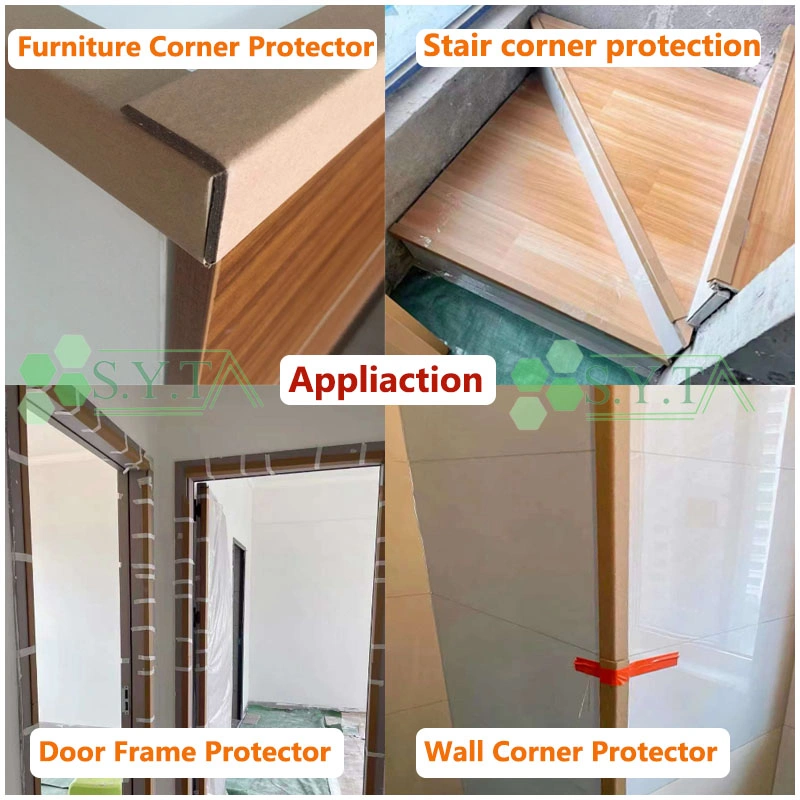
For high-value items like upholstered sofas or electronic appliances, 5.0mm+ edge protectors act as dedicated vertical support columns. These profiles prevent the “edge-crushing” that occurs when top-load pressure exceeds the carton’s rated Box Compression Test (BCT) values. This is particularly important for products with soft finishes, where even minor indentation from strapping or stacking can lead to expensive remediation or customer returns.
How Can the “Pillar Effect” Prevent Bottom-Tier Crushing During Stacking?
This is a critical solution for multi-layer stacking in high-density warehouses. By aligning heavy-duty protectors from the pallet base to the top, between 45% and 60% of the vertical weight is redistributed away from fragile carton walls and onto the rigid edgeboards [4]. This “Pillar Effect” enables manufacturers to stack pallets higher with confidence, effectively optimizing container space while protecting the structural integrity of the bottom-layer goods.
How Can Edgeboard Protectors Secure Flat Sheet and Panel Bundles Without Damage?
Bundles of wooden panels or metal sheets are highly susceptible to edge chipping and denting from PET or steel strapping. Edge protectors provide a durable buffer that prevents direct contact between the high-tension straps and the product edges. This maintains the aesthetic and structural quality of the panels, which is essential for industries where surface finish and edge precision are primary quality requirements.
Do Edgeboard Protectors Provide Necessary Lateral Stability for Slip Sheet Loading?
In pallet-less shipping using slip sheets, maintaining lateral stability is a significant challenge during handling. Edge protectors serve as perimeter anchors that keep multiple layers of goods aligned, effectively reducing the “leaning” effect. This ensures that the unitized load remains stable during mechanical handling and forklift operations, which is vital for safety and efficiency in modern automated distribution centers.
Technical Specification Selection Matrix
Conclusion Selecting the appropriate edge protection is a strategic decision that impacts both cargo safety and logistics costs. At our facility, we strictly maintain moisture levels at 8%-10% and utilize advanced drying processes to ensure that our protectors provide the necessary rigidity to survive demanding global transit routes.
References: [1] Absortech Group (2023). [2] Kellicutt, K. Q., & Landt, E. F. (1951). [3] IEOM Society (2023). [4] Soroka, W. (2009).