Honeycomb Paper Core Strips for Doors: 5 Smart Rules for Better Panel Support
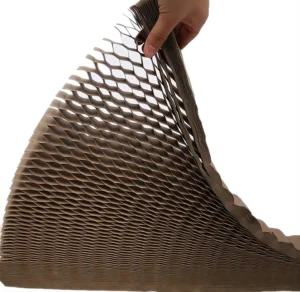
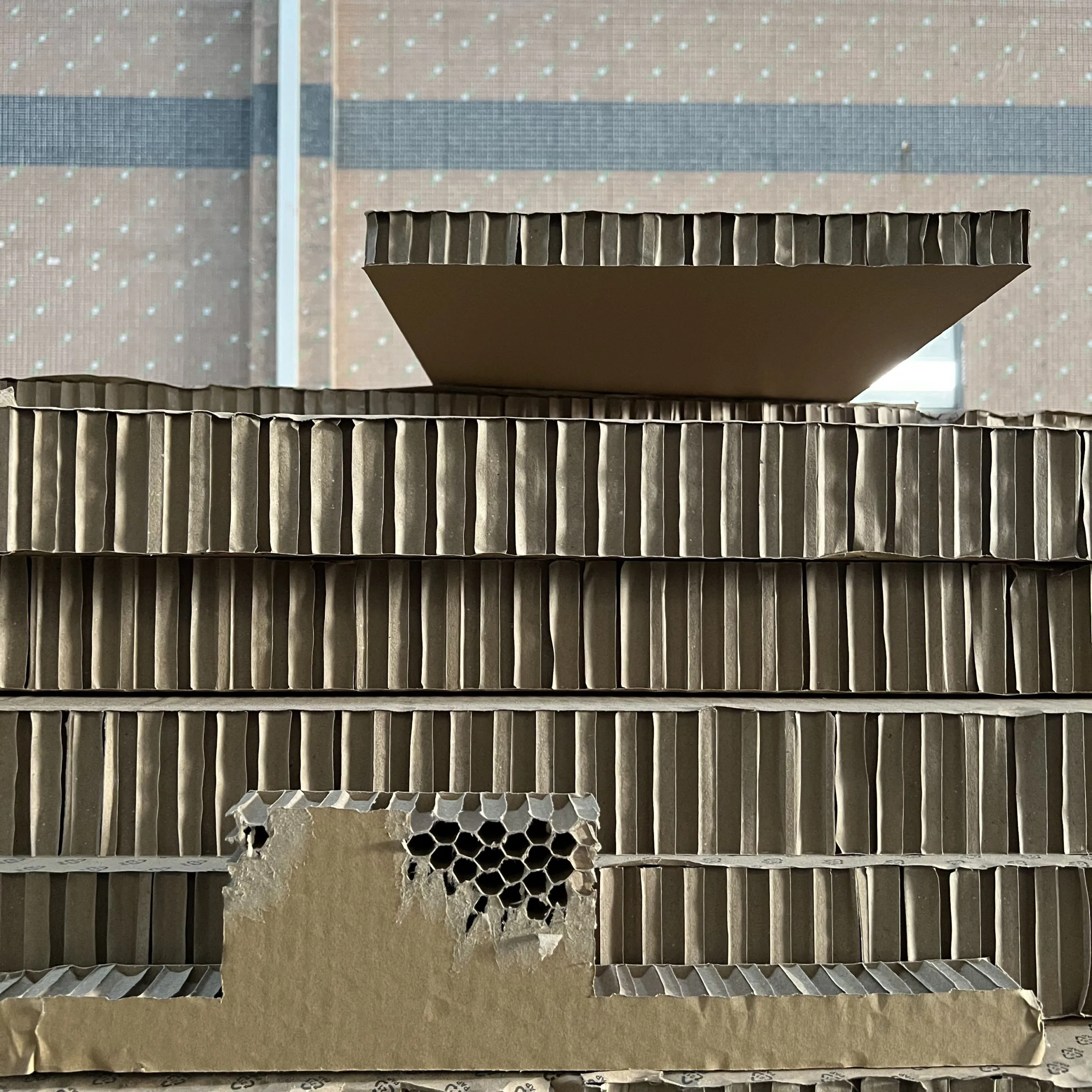
Honeycomb paper core strips are not simply filler. Their position and spacing affect how door skins are supported during pressing and handling. A layout suitable for a small door may not suit a larger panel, different skin material or heavy hardware.
Our previous guide explains why mismatched core systems can contribute to sinking or hollow areas. This article focuses on planning the strip layout before production: https://sytpack.com/honeycomb-core-strips-sinking-hollow-door-panels/
Why does honeycomb paper core strips layout matter inside a door panel?
Layout determines where the skin receives direct support and where it may flex. It also affects pressure transfer around edges, corners and hardware zones. Confirm door dimensions, skin structure, core height, target weight and hardware positions before choosing spacing.
How should honeycomb paper core strips be spaced across the main door area?
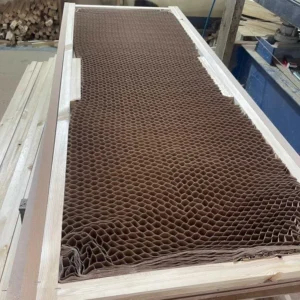
The main field should use a regular pattern that avoids large unsupported areas. The aim is consistent contact while controlling material and production time. Spacing suitable for a small door may leave too much unsupported surface on a larger one, while an overly dense pattern can add material and labour without proportional improvement. Check the spacing with the actual skin and pressing process; an approval drawing should show strip direction, centre spacing, perimeter support and hardware zones.
Should the edges and centre use the same arrangement?
Not always. The perimeter interacts with the frame, corner joints and handling forces, so it can require more continuous support. The centre may use a regular spacing pattern. Review both zones together with the door construction; a drawing or physical sample is useful before mass production.
How should lock, hinge and handle areas be treated?
Hardware zones are not ordinary empty spaces. Locks and hinges create concentrated fixing points and repeated loads. Depending on the design, a zone may need closer support, a different strip direction or a local reinforcement piece.
Give the factory hardware positions and fixing requirements before confirming the layout. The drawing can show where strips stop, where extra support is required and where installation space must remain open.
How can a factory validate the layout before bulk production?
Start with panel dimensions, skin structure, hardware positions, quantity and pressing conditions. The factory can then confirm core height, strip width, length, cell size, moisture target and layout.
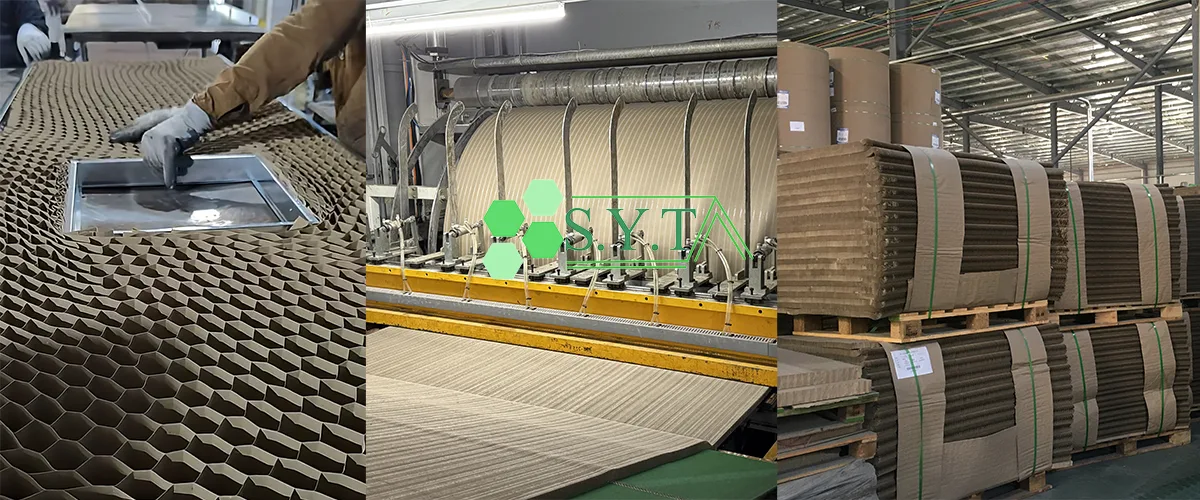
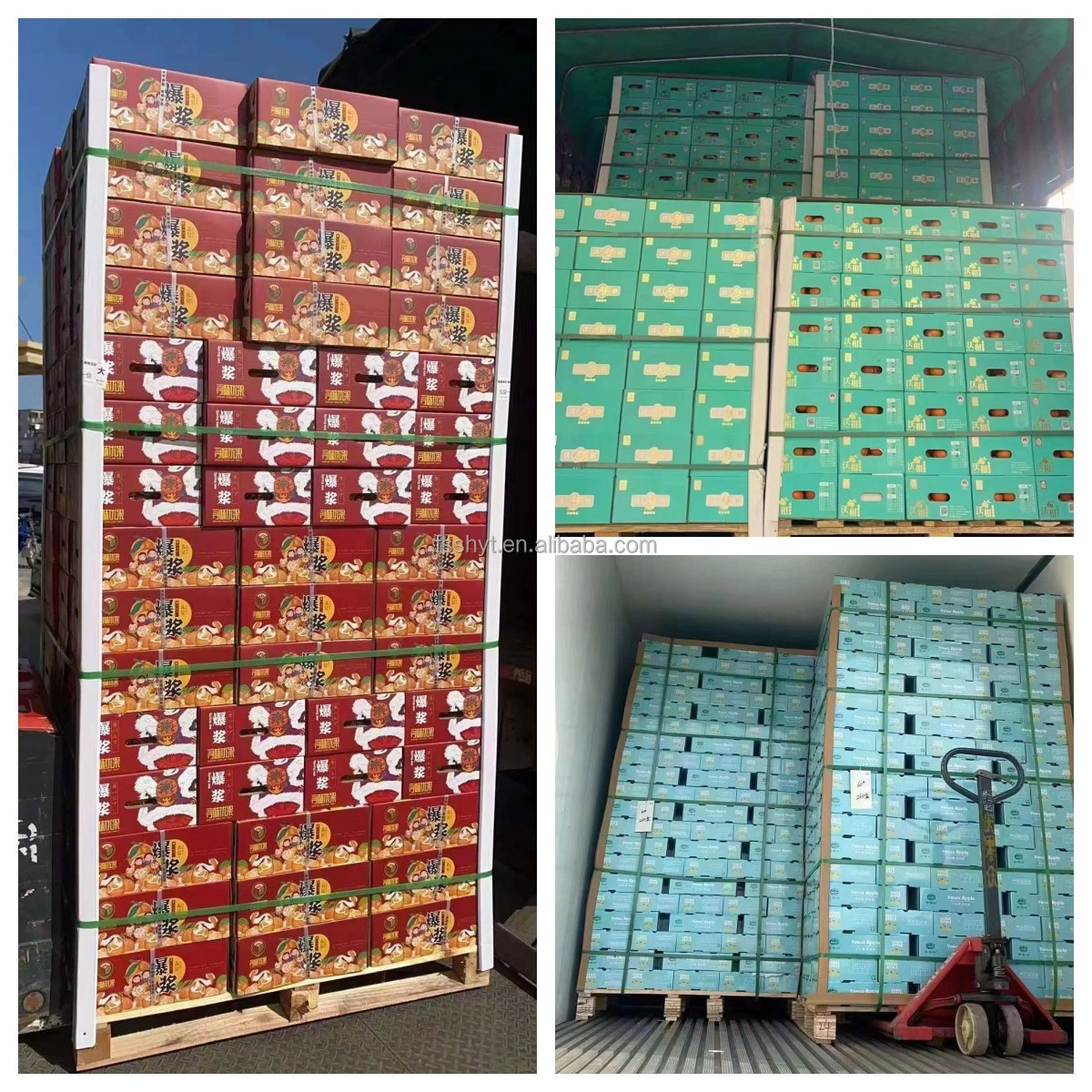
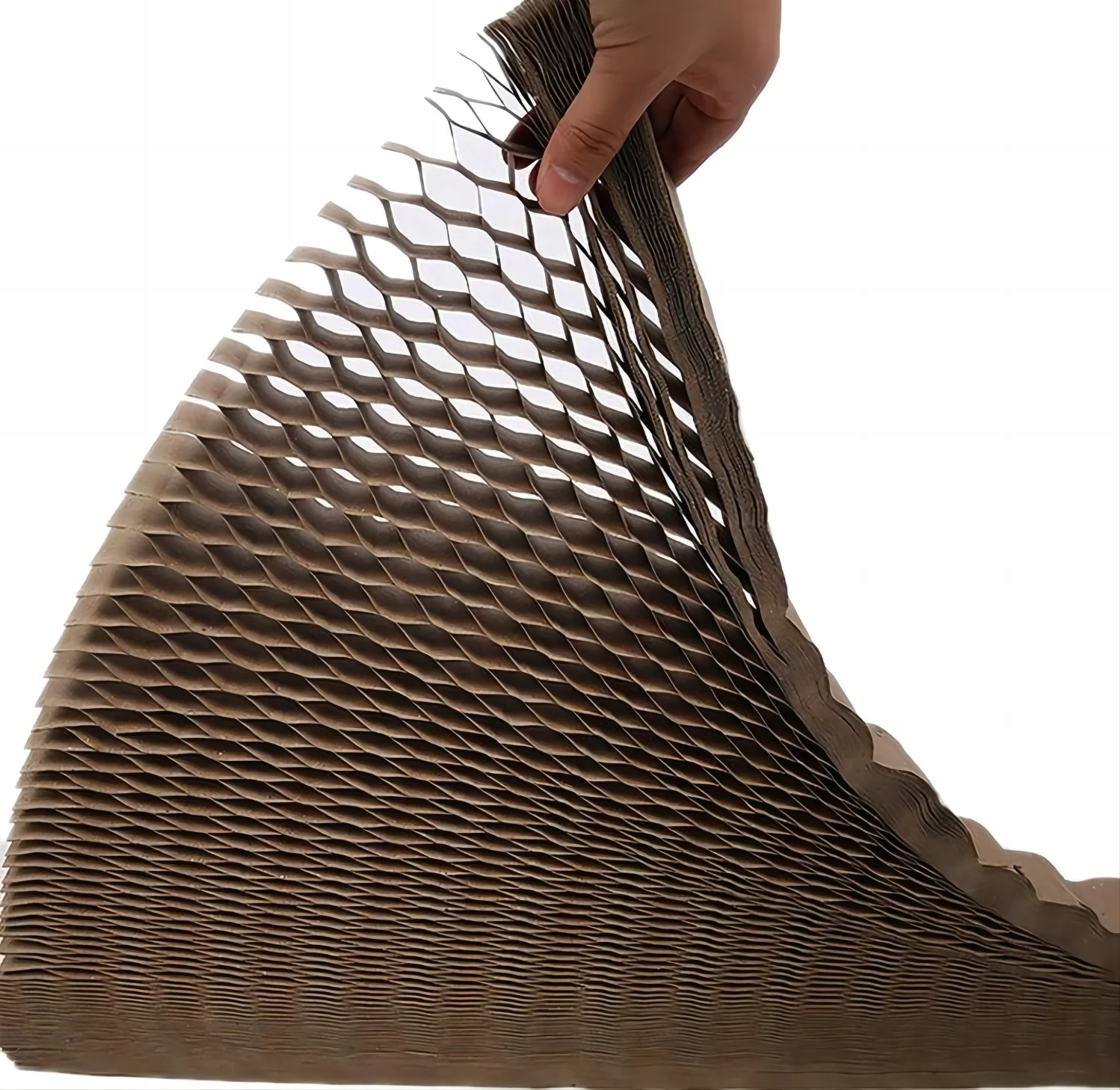
We supply single-cut and continuous honeycomb core strips. Single-cut strips arrive ready to use; continuous core stays connected for customers with their own cutting process. Their shipping volumes are broadly similar, so choose by equipment, labour and process control rather than freight.
Before bulk production, run a sample panel and inspect flatness, bonding and hardware fit. Export batches generally target 8%–10% moisture, and water-based PVA adhesive is used for core bonding. Review moisture records and sample feedback together.
Door core layout checklist
Conclusion
A honeycomb core layout should be designed around the door, not simply around available material. Confirm the panel structure, separate the perimeter from the main field, mark hardware zones and validate the arrangement on a sample panel. This helps buyers compare material, labour and production requirements before a bulk order.
At our factory, we support custom honeycomb core strip specifications for door and panel manufacturers. We can discuss single-cut or continuous supply, confirm production details around your drawing and provide sample support before mass production. Send us your door size, skin material, hardware positions and monthly volume, and we can review a suitable core layout.
For the causes of sinking and hollow areas, read our related guide:https://sytpack.com/honeycomb-core-strips-sinking-hollow-door-panels/
Technical note: the final layout should be validated with the customer’s actual panel materials, adhesive amount, pressing conditions and hardware design.