Personalizado Paper Edge Protector Sizes: How to Choose Perfect Dimensions for Pallet Packaging
Many export manufacturers encounter packaging problems caused by mismatched paper edge protector sizes. Using overly narrow angle bars fails to protect carton corners, while oversized ones waste material and affect pallet stacking neatness. Standard and custom paper edge protector dimensions determine overall pallet stability, strapping firmness and cargo safety during international shipping. This article explains how to select and customize the most suitable paper edge protector sizes for different export packaging scenarios, and shares practical tips to avoid common sizing mistakes that lead to cargo claims.
1. Core Size Parameters of Paper Edge Protectors
Side width dimension
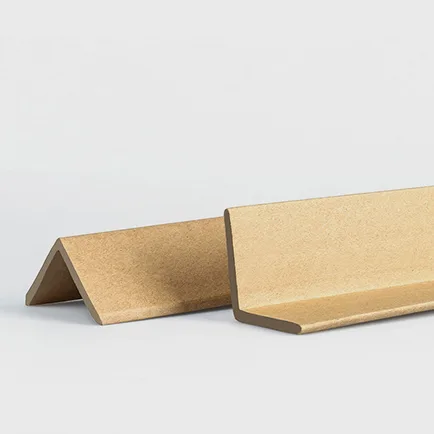
Side width refers to the two sides of the L-shaped paper angle bar, including common specifications of 30mm, 40mm, 50mm, 60mm and 80mm. Narrow widths fit small cartons and lightweight consumer goods, while wider sizes provide larger force-bearing areas for heavy pallet loads. Proper width ensures the protector fully covers the box corner without partial exposure or excessive coverage. If the side width is too small, straps will cut directly onto carton edges; if too wide, the protruding edge protectors will take up extra container space and scratch adjacent cargo.
Thickness grade
Thickness ranges from 2mm to 8mm, directly determining compression resistance and rigidity. Thin paper edge protectors suit short-distance logistics and light cargo, while thick high-density versions resist heavy extrusion and tight strapping pressure for long ocean freight and high-stack warehouse storage. High-density kraft paper construction for thicker options delivers better impact resistance when pallets are moved by forklifts. Low-density thin models are economical for inland transport where stacking pressure is minimal.
Custom length options
Paper edge protector length can be fully customized according to carton height and pallet specification. Full-length protectors offer complete vertical corner protection, while segmented short bars are suitable for irregular packaging and partial reinforcement scenarios. For pallets with multiple uneven carton heights, segmented paper edge protectors are more flexible than one-piece long bars. You can also choose cut-to-length pieces with pre-punched holes if your packaging process uses automated strapping machines.
2. Size Matching Rules for Different Cargo Types
Light-duty carton packaging
For textile, daily commodities and small electronic product cartons, 30×30mm or 40×40mm thin paper edge protectors are the most cost-effective choice. They effectively prevent minor corner abrasion without increasing packaging weight or material cost. This option works well for low-stack pallets with less than 3 layers of cartons and air freight shipments where total package weight is strictly controlled.
Medium standard export pallets
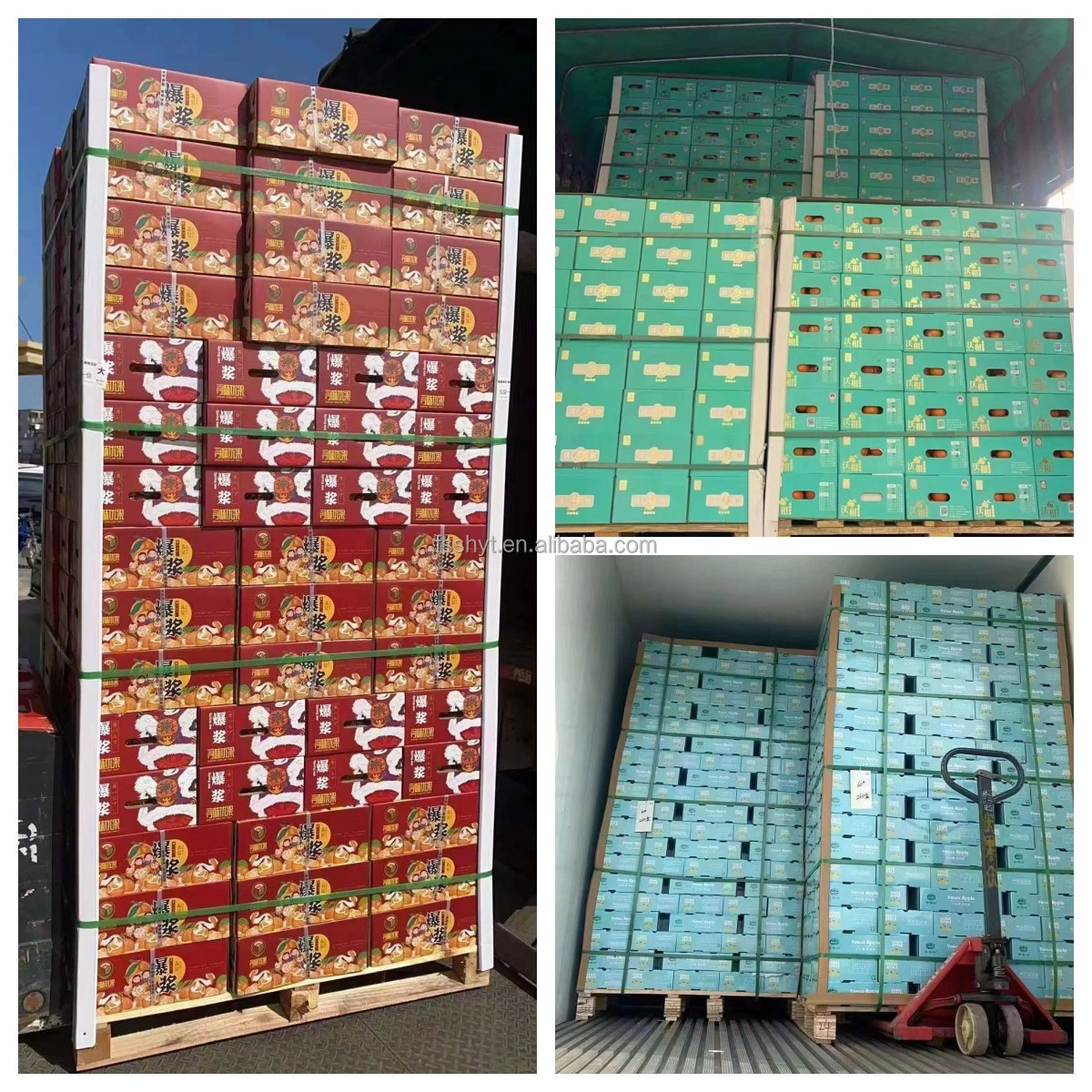
General furniture parts, mechanical accessories and industrial cartons adopt 50×50mm or 60×60mm medium-thickness protectors. This size balances rigidity and flexibility, perfectly matching standard pallet strapping methods and avoiding strap indentation on box edges. Most FCL and LCL sea shipments use this size range, as it handles typical vibration and side pressure inside shipping containers.
Heavy-duty high-stack cargo
For super-heavy machinery, wooden panels and high-layer stacked pallets, 80×80mm thickened paper edge protectors are required. The widened and thickened structure disperses strong vertical pressure and lateral container squeezing force, preventing corner collapse during long-term sea freight transportation. When pallets are stacked 4 or more layers high at warehouses, heavy-duty sizes stop bottom cartons from crushing under the weight of upper cargo.
3. Why Custom Sizes Improve Packaging Efficiency
Standard fixed-size edge protectors cannot adapt to all personalized packaging needs. Custom dimensions allow factories to match exact carton heights, corner widths and load requirements. Accurate sizing makes pallet arrangement neater, container loading rate higher, and overall packaging quality more standardized for brand export shipments. Custom-cut sizes also reduce waste: you will not pay for unused extra length, which lowers long-term packaging expenditure for bulk export orders.
4. Compatibility with Honeycomb and Corrugated Packaging
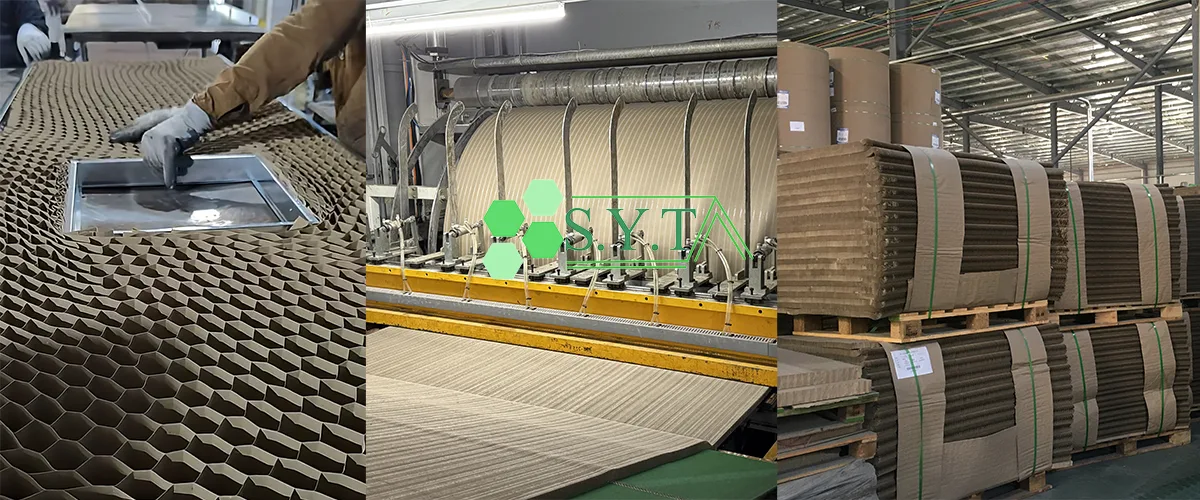
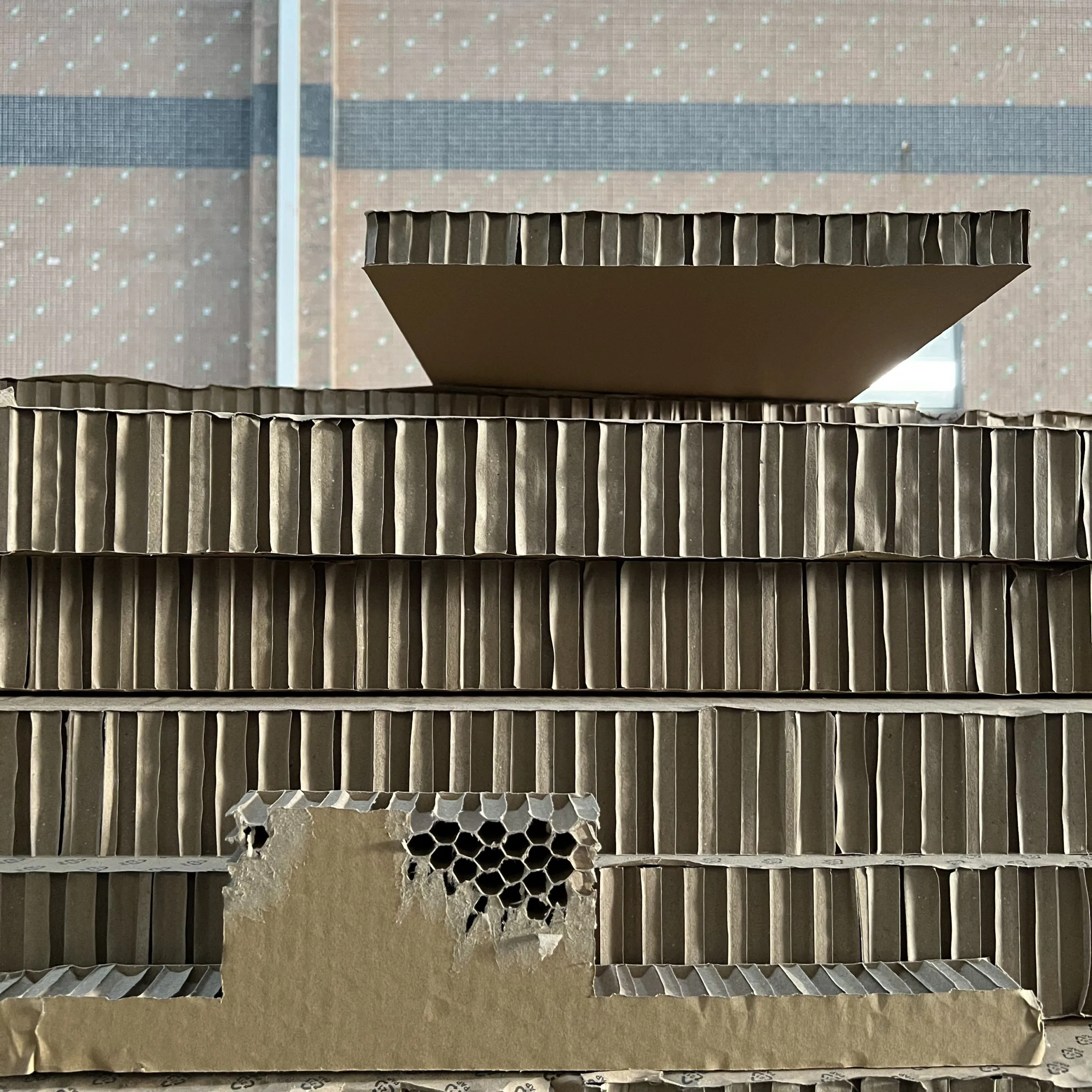
Custom paper edge protectors work perfectly with both corrugated cartons and foldable honeycomb boxes. Reasonable size matching reinforces the weak corners of paper-based packaging, forming a stable all-paper protective system that greatly reduces cargo damage rates in cross-border logistics. When paired with honeycomb paper core packaging, paper edge protectors supplement the corner rigidity that honeycomb structures lack, especially critical for bumpy sea transit and repeated pallet handling.
5. Key Sizing Mistakes Exporters Should Avoid
Many buyers only focus on cargo weight while ignoring pallet strapping tension. Over-tight plastic straps will dig into cartons even with edge protectors if the selected thickness is insufficient. Another common error is mixing different sizes on one pallet, which creates uneven support and tilting during transport. Always test your selected paper edge protector sizes with real pallet stacking and strapping before mass production for big export orders.
6. Conclusión
Scientific size selection and customization are key to maximizing paper edge protector performance. Matching width, thickness and length according to cargo weight, box type and shipping method helps exporters achieve safer packaging, lower material costs and neater palletized cargo appearance. Custom-sized paper edge protectors have become a standardized essential accessory for high-quality export packaging.