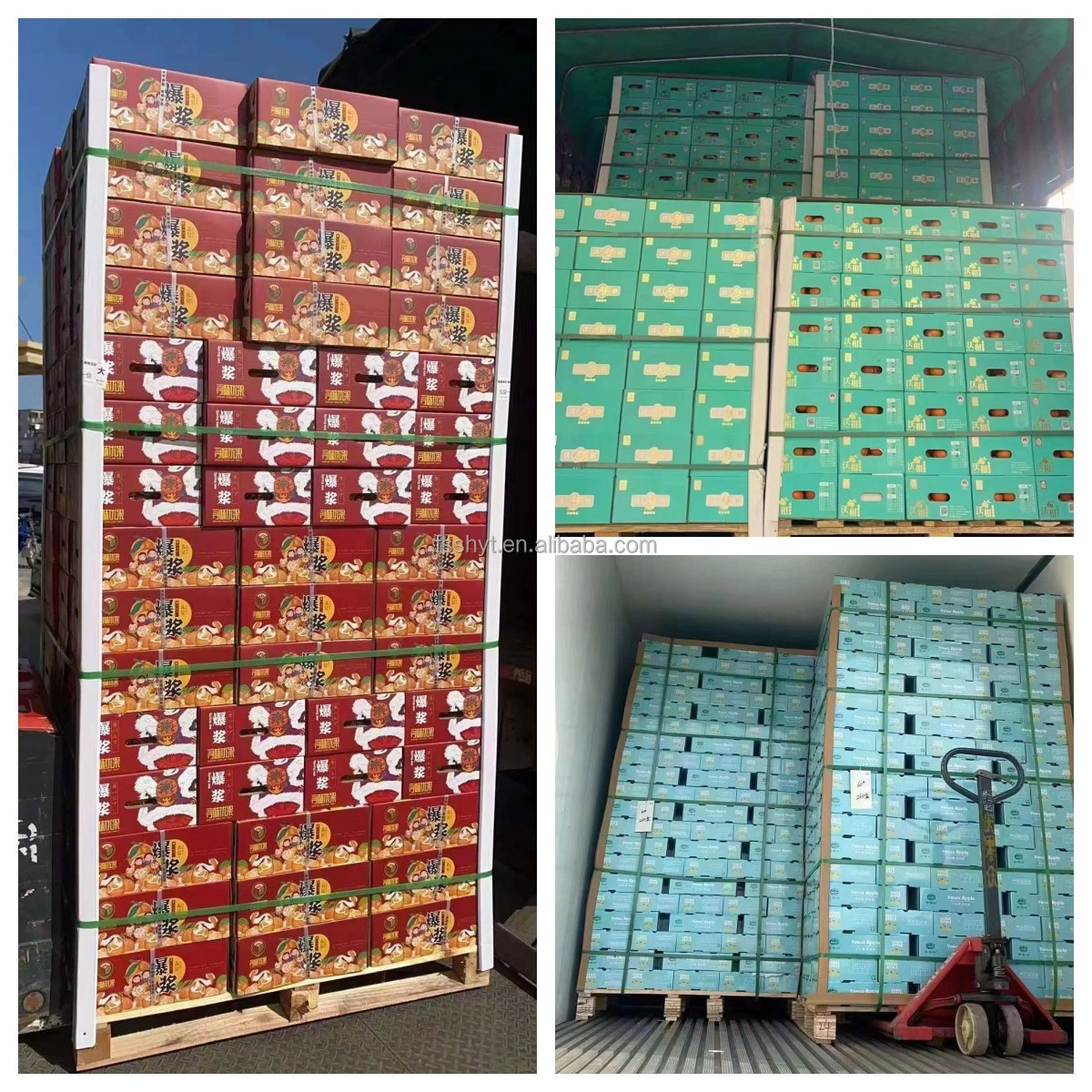
Honeycomb cardboard is one of those materials that appears plain on a sample table and then turns into a quiet problem-solver once it reaches real production. It gives packaging teams a way to add structure, distribute pressure, and protect products without carrying the weight or footprint of heavier alternatives. For export buyers, that matters because every kilogram, every cubic meter, and every damaged shipment affects the bottom line.
SYTPACK already positions honeycomb cardboard across transport protection, custom inner cushioning, retail display structures, warehouse storage, and premium packaging. That breadth is a clue to how the material should be evaluated. Buyers should not think of it as one generic board. They should think of it as a family of structural paper solutions that can be cut, formed, layered, and combined with other packaging items to solve different jobs.
What honeycomb cardboard actually does
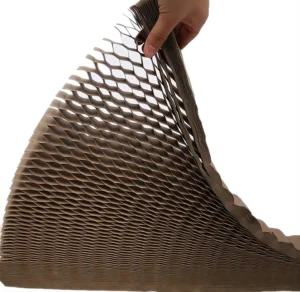
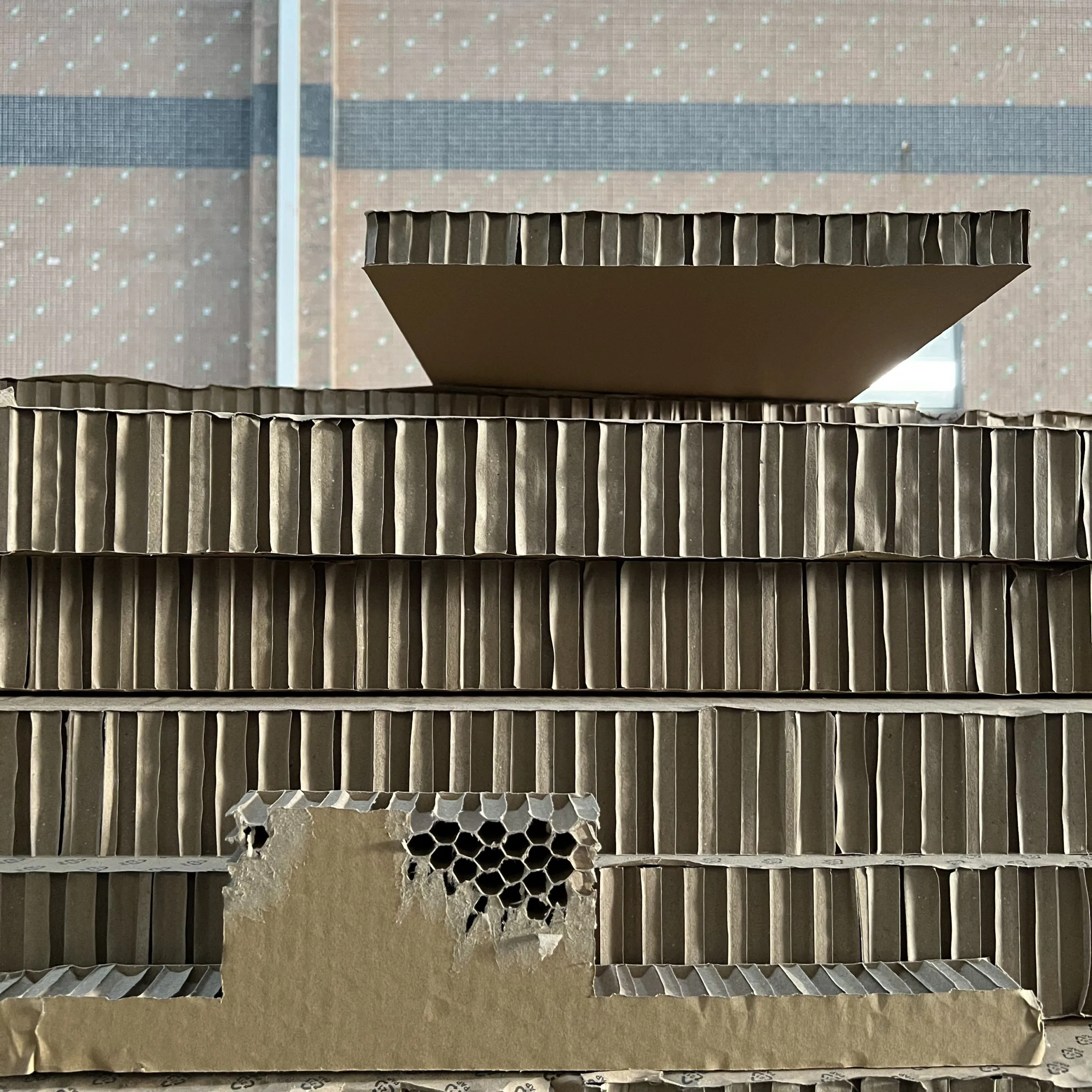
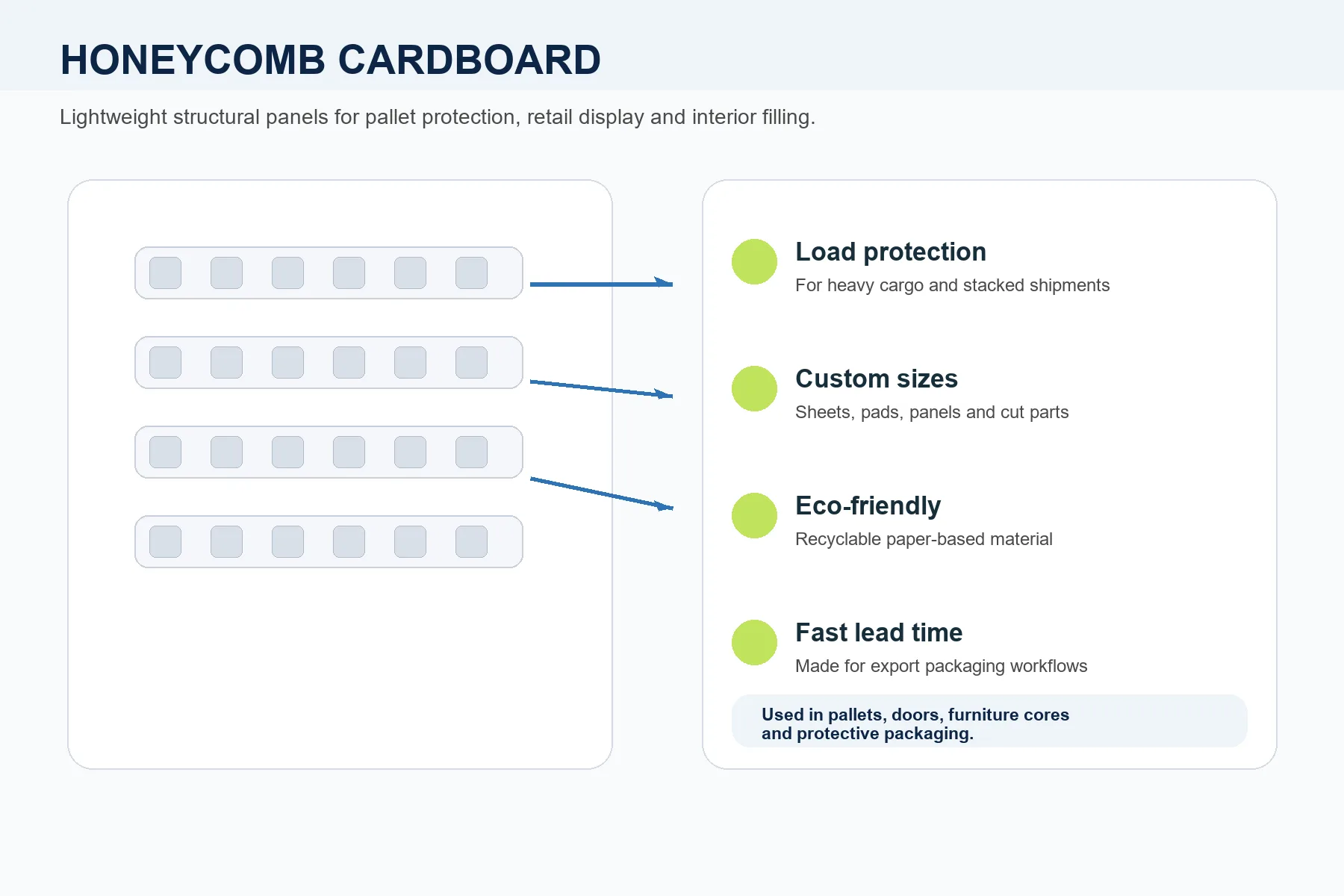
The simplest way to explain honeycomb cardboard is that it spreads load through geometry. Instead of relying only on material thickness, it uses a cell-based internal structure that creates stiffness with far less mass than a solid sheet would require. That is why it can be useful in pallets, panels, inserts, or display bases where the product needs to remain rigid but the packaging budget still needs to stay under control.
For procurement teams, the practical value is easy to understand. A well-designed honeycomb board can reduce product movement, improve surface protection, and lower the weight of the overall package. It is also easier to customize than many buyers assume. The same core structure can become sheets, pads, panels, or shaped components depending on how the cutting and lamination are handled.
Where it fits in a B2B packaging workflow
In a real warehouse or export line, honeycomb cardboard tends to show up in the middle of the packing process, not at the edge. It can be placed under the load, between stacked layers, around vulnerable corners, or inside a carton as a stabilizing insert. That means the buyer is not simply buying a sheet. The buyer is buying a function: compression control, layer separation, face protection, or lightweight support.
That distinction matters because it changes the specification. A board used as a display base may need a cleaner finish and tighter size tolerance. A board used under a pallet load may need more stiffness and a better surface to resist slipping. A board used as a door or panel fill may need consistency in thickness and edge quality. When the function is clear, the supplier conversation becomes much more efficient.
Main applications buyers actually ask for
Pallet and carton protection
This is the most common commercial use case. Honeycomb cardboard sheets or pads can sit under or between products to keep loads from shifting, to spread pressure more evenly, and to stop corners from being crushed by stacking. Buyers often compare this approach with foam, wood blocks, or extra cartons. Honeycomb board usually wins when the goal is to stay light and recyclable while still maintaining structure.
Retail displays and promotional structures
The retail and exhibition side of the business uses honeycomb cardboard differently. In that environment, the board is not hiding inside the package. It is visible and part of the customer experience. That means the buyer may care about printability, edge appearance, and ease of installation as much as strength. For temporary displays, the balance between rigidity and low weight is especially useful because crews can move and assemble the structure more quickly.
Door, panel, and furniture filling
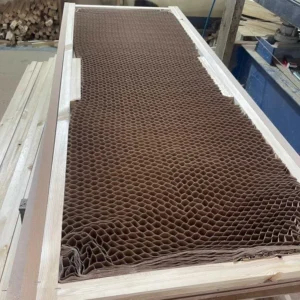
Honeycomb cardboard also makes sense in interior structural applications such as door filling, furniture reinforcement, and panel construction. In these use cases, the material can help create a stable inner core while keeping the product lighter than wood-heavy alternatives. That can reduce transport cost and improve handling during manufacturing and installation.
Warehouse storage and staging
Large buyers often forget that packaging material is used not only during shipping but also while products wait in a warehouse. Honeycomb sheets or panels can create staging layers, protect finish surfaces, or support partially assembled goods. In that role, the board becomes part of the factory workflow rather than just the shipping box.
How to compare it with other materials
A useful procurement decision usually comes from comparison. Honeycomb cardboard is commonly weighed against corrugated board, foam, plywood, and wood-based inserts. Corrugated board is flexible and very familiar, but it is not as strong in structural support. Foam may offer cushioning, but it is not always the best answer for sustainability or clean recyclability. Wood and plywood offer strength, but the trade-off is weight, cost, and handling complexity.
Honeycomb cardboard often sits in the best middle position when the buyer wants a material that is rigid enough to perform, light enough to keep freight cost under control, and simple enough to customize into different shapes. It is not the universal winner, but it is a very strong option when structure matters and the application does not require a permanent heavy-duty building material.
- Choose corrugated board for flexible outer packaging and basic cushioning.
- Choose honeycomb cardboard for structural support with low weight.
- Choose foam when shock absorption is the top priority and recyclability is secondary.
- Choose wood or plywood when the application truly needs hard load-bearing performance.
What to specify before you ask for a quote
One reason honeycomb cardboard purchases go wrong is that buyers request a general product name instead of a specification. A good RFQ should describe the target size, the required thickness, the load or function, the surface condition, the moisture environment, and whether the order is for packaging, display, or core filling. If those details are missing, the supplier can only guess, and guessing usually leads to a sample that looks right but performs wrong.
- Length, width, and thickness
- Whether the item is a sheet, pad, panel, or cut component
- Required edge finish and tolerance
- Expected load, stacking pressure, or display duty
- Humidity, storage, and shipping route conditions
- Printing, coating, or appearance requirements
Why cell structure matters
The honeycomb pattern is not only a visual signature. It is the reason the board can create stiffness at lower weight. Cell size, paper grammage, and glue consistency all influence the final result. A buyer who wants a panel for door filling may care about rigidity and uniformity. A buyer who wants a packaging pad may care more about weight, size tolerance, and how cleanly the product cuts on the line. The structure is the same category of material, but the ideal mix of properties changes by use case.
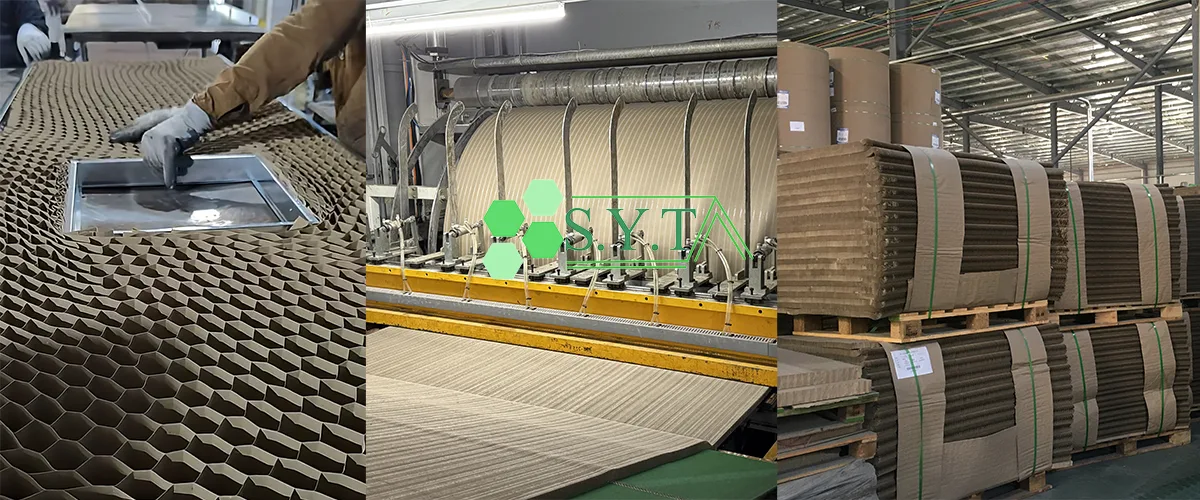
That is why the best suppliers do not just say they make honeycomb board. They explain how their production line handles thickness control, cutting, finishing, and container loading. Those operational details matter as much as the raw product name because they determine whether the material will arrive in a form that is actually usable in production.
Moisture, storage, and shipping conditions
Paper-based structural products can perform very well, but only if moisture is treated seriously. If a shipment is going to humid storage, sea freight, or a long warehouse hold, the product should be packed and loaded with moisture behavior in mind. This becomes especially important when honeycomb cardboard is paired with other paper-based packaging components. The system is only as strong as the weakest element.
Buyers should ask suppliers how the product is dried, packed, and protected in transit. A supplier that understands export logistics can often reduce the risk of board deformation, swelling, or inconsistent performance after arrival. That is particularly important for buyers sourcing from one factory for multiple protective packaging items.
How it fits into a complete packaging system
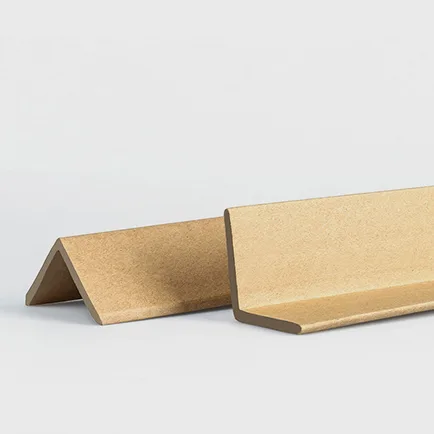
Honeycomb cardboard does its best work as part of a larger protection stack. It often pairs with paper corner protectors, PET strap, and a strong outer carton or pallet design. In a typical export operation, one component resists compression, another stabilizes the load, and another protects the edges. Together, they do more than any single material could do on its own.
This is where a supplier like SYTPACK can be valuable. If the factory already handles honeycomb cardboard, honeycomb paper core, paper corner protectors, and PET strap, the buyer can source a more coherent packaging system instead of mixing unrelated suppliers who do not fully understand how the components interact.
Common mistakes buyers should avoid
The first mistake is treating all honeycomb cardboard as interchangeable. The second is ordering a sample that looks right but never checking whether the material is meant for structural support, display work, or core filling. The third is skipping the route conditions. A board that performs well in a dry warehouse may behave differently in humid export shipping. The fourth is ignoring how the board will be cut, installed, or combined with other packaging components.
Another common mistake is asking for the cheapest option before defining the function. Honeycomb cardboard can be cost-efficient, but the buyer still needs the right size, the right structure, and the right finish. Otherwise the order becomes cheap only in the invoice sense and expensive in the damaged-goods sense.
How to evaluate supplier quality
A serious supplier should be able to describe its production consistency, container loading practice, customization range, and quality control approach. In this category, quality is not just about a visual inspection. It is about whether the product arrives in a form that can be used immediately on the line or in the warehouse. That means buyers should ask about sample lead time, tolerance, production capacity, and whether the company can support repeat orders without changing the specification unexpectedly.
For more background, review the honeycomb cardboard page and connect the material to the contact page if you need custom sizes or a sample quotation.
FAQ
Is honeycomb cardboard only for packaging?
No. It is also used in displays, interior filling, warehouse staging, and some furniture or panel applications. The form changes with the use case.
Is it recyclable?
In most cases, yes, because it is paper-based. But recyclability should still be confirmed with the final treatment, coating, and local disposal rules.
What is the biggest purchasing advantage?
The biggest advantage is the balance of lightweight structure and useful stiffness. It can lower shipping burden while still protecting the product.
Can it be customized?
Yes. Buyers can usually request size, thickness, finish, and shape adjustments depending on the application and production method.
Conclusion
Honeycomb cardboard is best understood as a practical structural material, not just a packaging filler. It helps reduce damage, improve load stability, support displays, and keep export packaging lean. When buyers define the application clearly, the material becomes easier to source and much more valuable in production.
Supplier checklist for honeycomb cardboard buyers
A strong honeycomb cardboard order starts with a clear supplier checklist. Buyers should ask whether the factory can control board thickness, cut accuracy, surface cleanliness, and packing method across repeated batches. The sample should not be treated as a one-time decoration. It should be a realistic preview of what the bulk shipment will look like after production, handling, and container loading.
For export packaging, also ask how the supplier protects the board before shipment. Paper-based structural materials should be packed to avoid unnecessary moisture exposure, edge deformation, and compression during storage. If the board will be used on an automated or semi-automated line, confirm that sheet size, flatness, and tolerance match the downstream process before placing the full order.
- Ask for the target board thickness and acceptable tolerance.
- Confirm whether the material will be delivered as sheets, pads, panels, or cut pieces.
- Check whether the supplier can repeat the same specification across multiple purchase orders.
- Request packing details for sea freight, warehouse storage, or high-humidity routes.
- Share final use photos or drawings so the factory can recommend the right construction.
Sample approval and production notes
The best sample approval process includes both visual review and use testing. A buyer should place the sample in the same position it will occupy in the real package: under the load, between layers, as a panel core, or as a display component. This practical test is more useful than simply pressing the surface by hand. The buyer should also check whether the material cuts cleanly, whether the edges stay stable, and whether the board remains flat enough for assembly or packing.
When the sample is approved, the buyer should record the agreed specification in writing. That record should include size, thickness, board type, quantity, packing method, and any special finish. This helps purchasing, quality control, and the supplier work from the same reference. It also makes future reorders faster because the factory can reproduce the same configuration instead of restarting the conversation.
Internal linking and next purchase step
If the project also needs edge reinforcement or load securing, honeycomb cardboard should be reviewed together with paper corner protectors and PET strap. A complete packaging system usually performs better than a single material selected in isolation. Buyers who need custom dimensions can send product drawings, loading photos, and target shipment conditions through the SYTPACK contact page for a more accurate recommendation.