How to Choose the Right Cardboard Edge Protector?
Improper selection of cardboard edge protector will bring two common‑but‑costly problems for global export‑oriented manufacturers. If you pick a weak, undersized specification without considering stacking load and transit conditions, you will face insufficient structural support that leads to chipped corners, cracked cartons and damaged finished goods during long‑distance transit. On the contrary, choosing overly heavy‑duty versions blindly will waste your procurement budget and push up your overall packaging costs without practical necessity. Many inexperienced purchasing managers only focus on unit price and ignore actual matching conditions, which eventually brings unexpected cargo losses and costly compensation claims after overseas shipping. This detailed practical buying guide will help you select suitable corner guards according to cargo weight, transport ways and strict production standards step‑by‑step for your long‑term export‑packaging projects.
1. Select Specifications According to Actual Cargo Weight
Light‑Weight Goods: Thin and Small‑Size Cardboard Edge Protector
For packed clothing, folded fabrics, small‑sized electronic components and lightweight daily‑use accessories, low‑density thin‑wall cardboard edge protector is completely enough for daily‑packaging needs. These lightweight‑grade products deliver stable basic‑corner support, prevent carton bulging and edge deformation, and keep your regular packaging expenditure under effective control. Such thin‑type guards are widely adopted in textile and garment‑related export shipments across Asia, Europe and North‑America. They match light‑load pallet‑stacking conditions well and will not add extra dead‑weight to finished carton packages, which helps traders save overall logistics expenses indirectly.
Heavy‑Weight Goods: High‑Density Thick‑Wall Cardboard Edge Protector
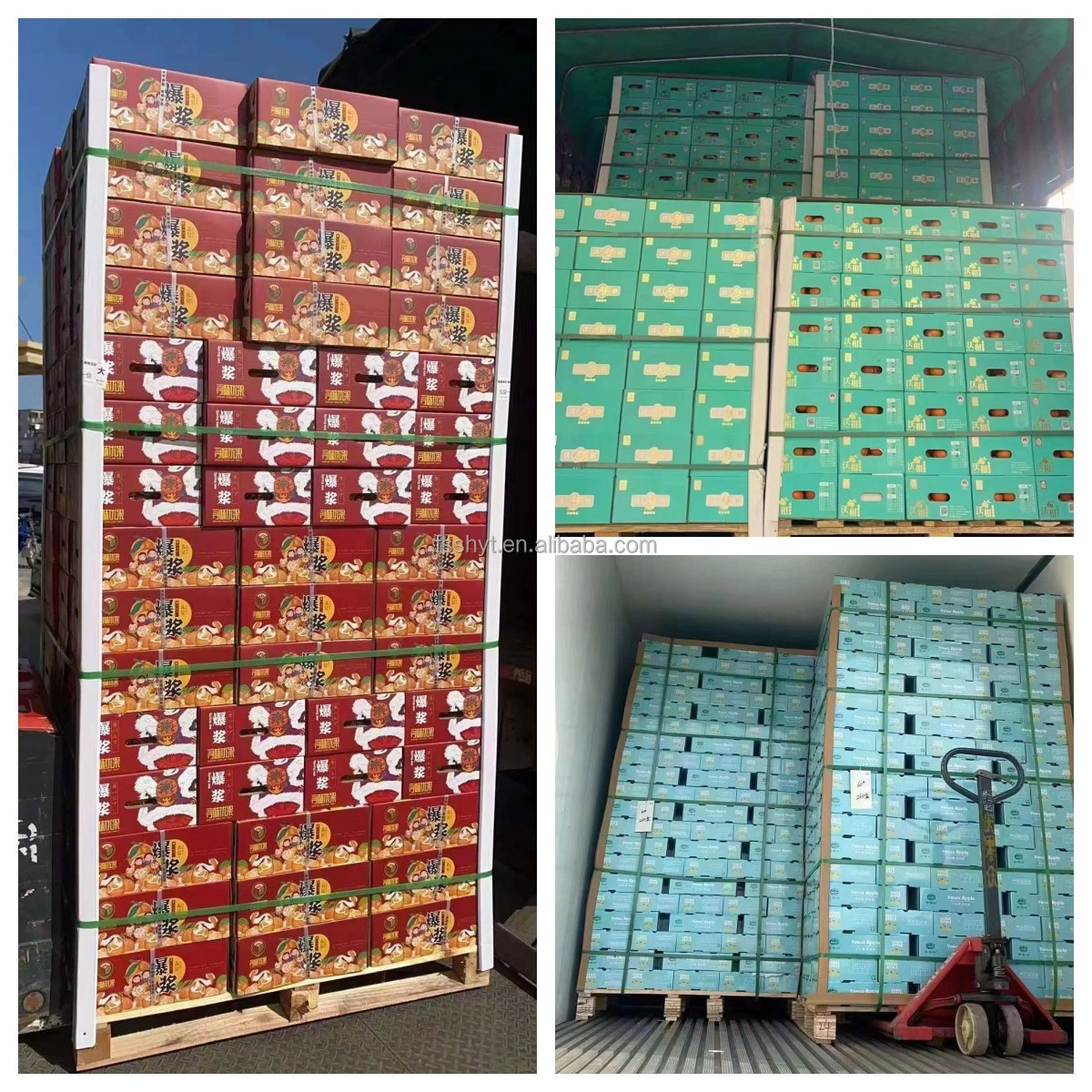
When you ship solid‑wood panels, large machinery components, heavy‑duty hardware and multi‑layer stacked pallet loads, you have to choose wide‑size and thick‑wall high‑density cardboard edge protector. These heavy‑duty options provide powerful compression‑resistance and anti‑impact performance under heavy vertical stacking pressure from upper‑layer goods. Furniture factories and wooden‑product suppliers rely heavily on this kraft‑paper product to guard finished goods against forklift bumps, hard knocks and surface scratches during loading, sea transit and frequent port transshipment.
2. Match Different International Transportation Modes
Sea Freight: High Compression and Moisture‑Resistant Cardboard Edge Protector
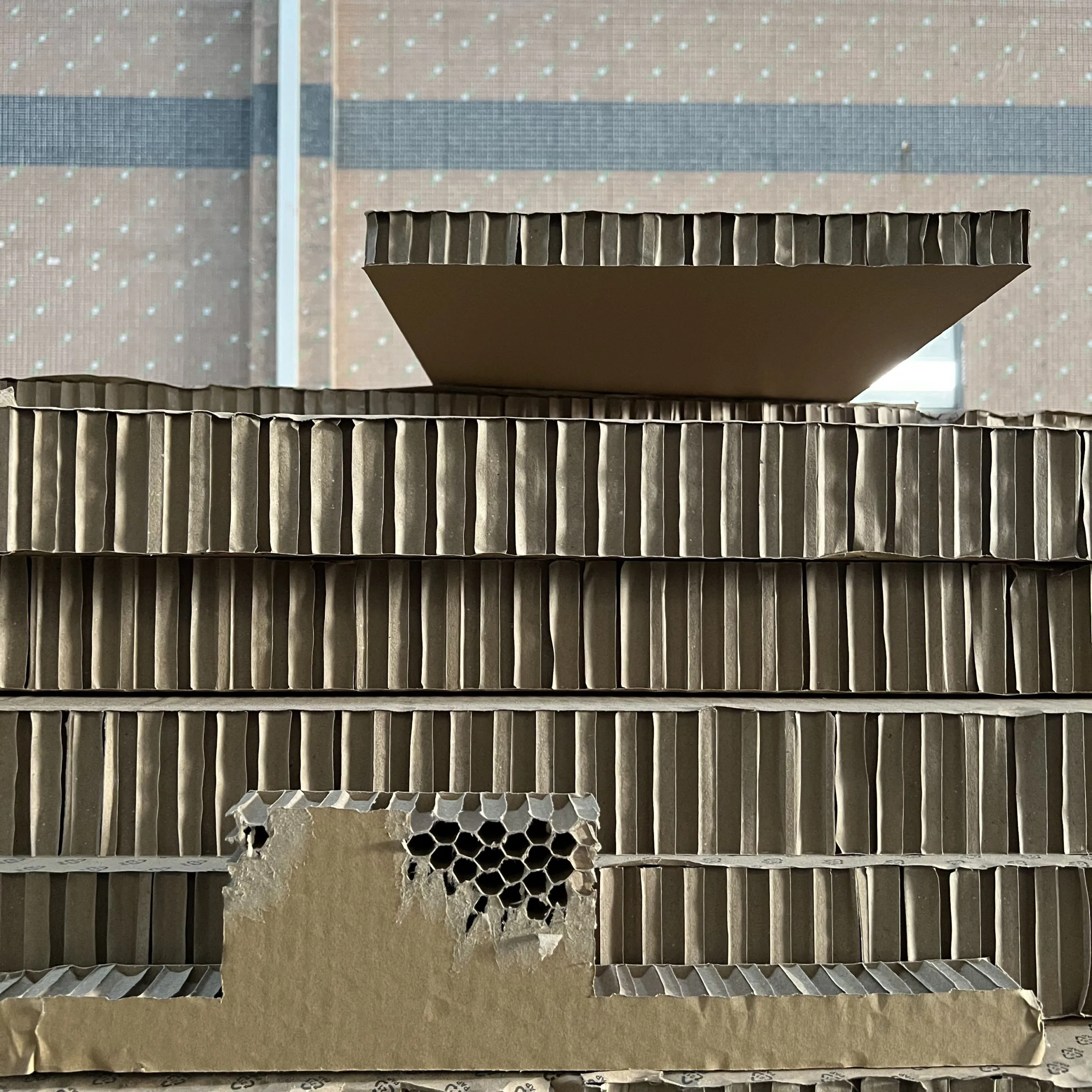
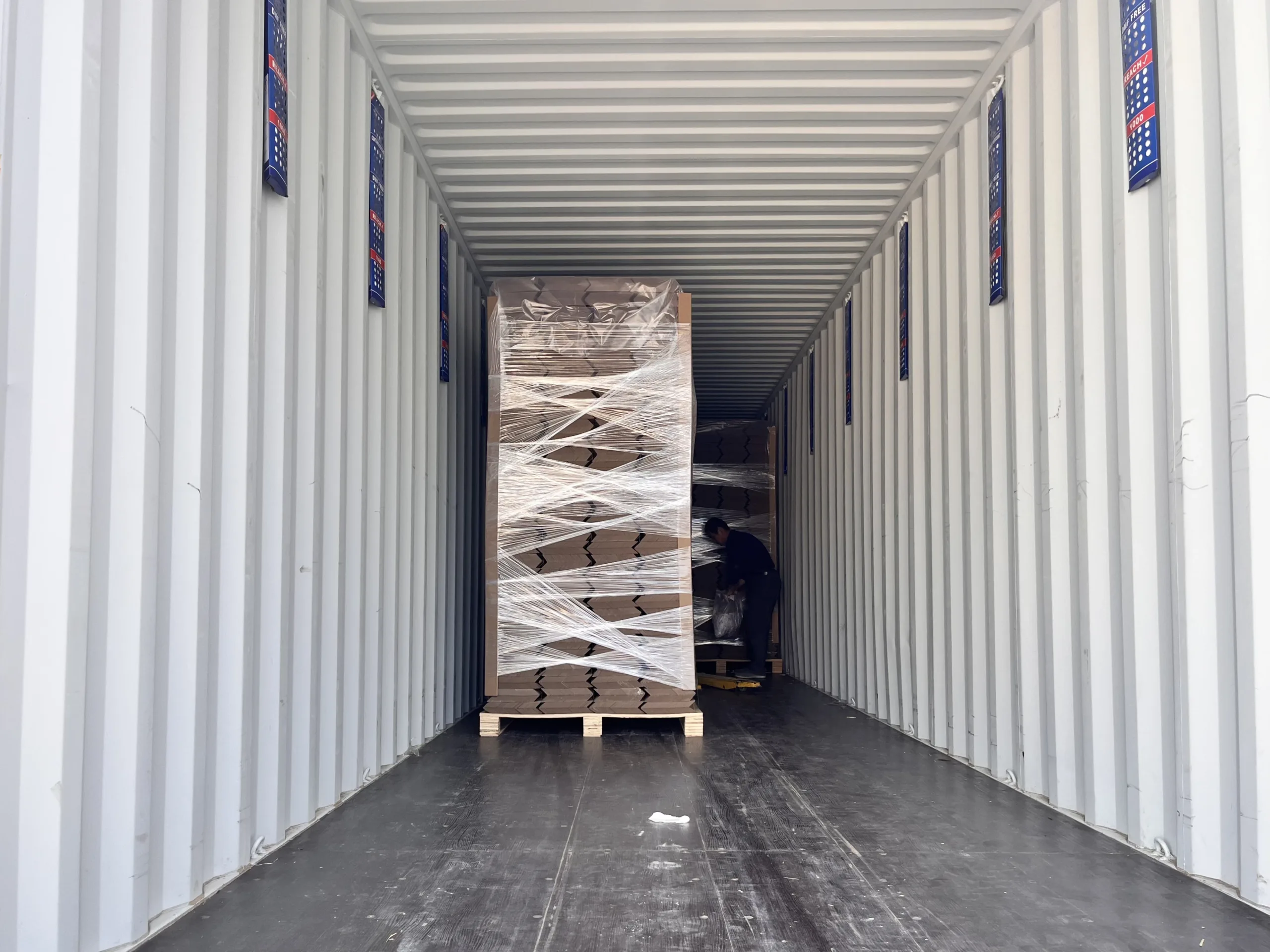
Goods will stay inside sealed containers for weeks under high‑humidity, salt‑laden and sweltering conditions on long‑distance ocean‑shipping routes. Only edge protectors made with tightly‑bonded multi‑layer kraft‑paper can avoid softening, separation and delamination under humid surroundings. High‑quality plant‑starch glue is essential for long‑sea‑voyage‑grade products. Reliable and uniform adhesive bonding always acts as one core feature that distinguishes premium‑grade cardboard edge protector from cheap low‑quality versions from small workshops.
Air Freight: Light‑Weight Thin‑Wall Cardboard Edge Protector
Air carriers calculate shipping charges strictly based on volumetric weight, which makes extra package weight extremely costly for small‑batch air‑export orders. Thin‑wall and low‑density corner guards effectively reduce overall package weight without sacrificing basic corner‑protection performance. Most garment sellers and small‑electronics exporters choose slim‑sized versions to lower their air‑freight bills and increase profit margins for each separate shipment batch.
3. Inspect Production Quality Details
Lamination and Adhesion Quality
Well‑produced cardboard edge protector features zero‑delamination structure, smooth burr‑free edges and evenly‑spread glue layers throughout all kraft‑paper layers. Poor‑quality items with uneven glue and loose‑layer problems will lose rigidity easily after being exposed to humid container environments. Once delamination happens, these corner guards cannot out‑perform plastic and foam‑based alternatives any longer. Such defective products may lead to large‑area cargo damage and subsequent complaints from overseas buyers.
Strict Size‑Tolerance Standard
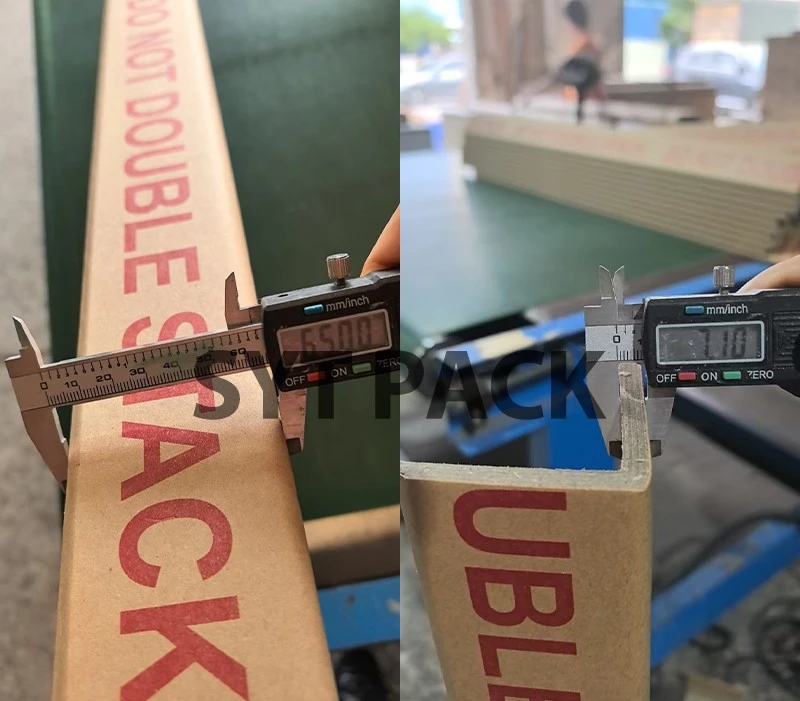
Precise length and width tolerance matters greatly for modern automated packaging workflows of large‑scale factories. Qualified cardboard edge protector maintains consistent dimensions, so it can fit carton corners perfectly on automatic packing assembly‑lines. Unqualified products with big size errors will jam automated machines, slow down daily packing efficiency and increase manual‑sorting work‑loads for export factories.
4. Confirm Customization Options and Supplier Qualification
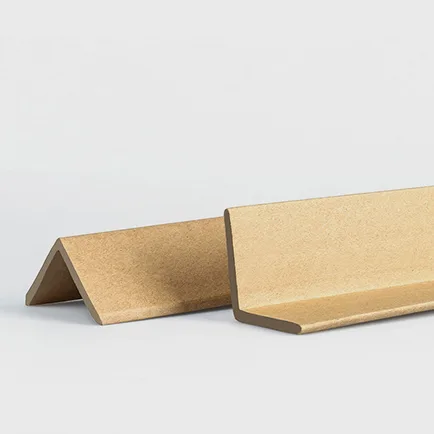
Apart from regular L‑shaped types, qualified manufacturers can produce U‑shaped, curved and flat‑style kraft‑paper guards for irregular‑shaped product edges like aluminum profiles and special‑shaped furniture parts. If you are new to this packaging item, you can read our introductory article to learn more basic information about standard‑type cardboard edge protector. Working with certified suppliers guarantees stable product quality, consistent delivery cycles and professional after‑sales support for your long‑term export‑packaging plans.