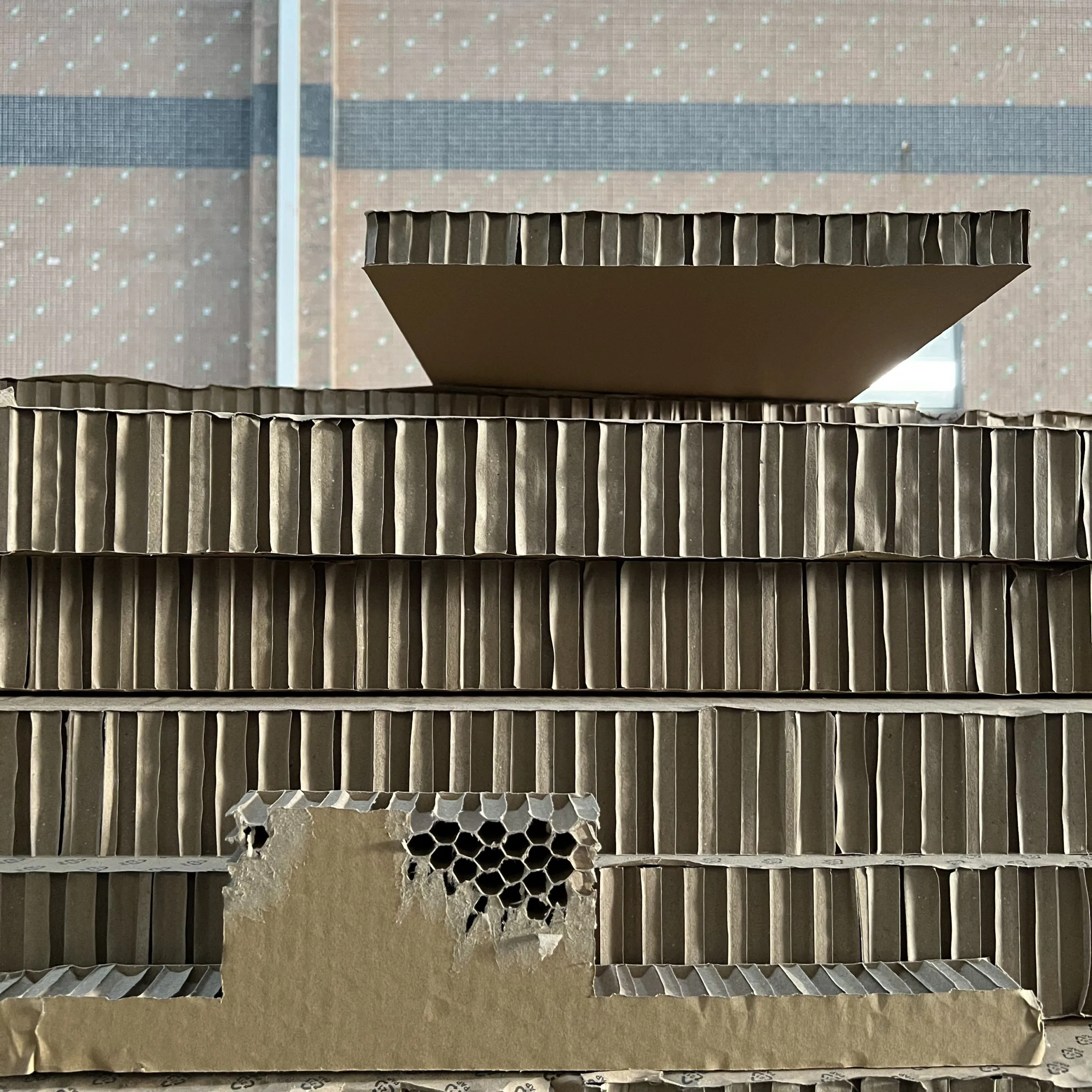
Honeycomb Core: Single Cut or Continuous? How to Choose
Two door factories can buy the same honeycomb core—same paper, same cell size—and still end up with very different total costs, simply because they buy it in a different form. Single-cut strips arrive separated and ready to use. Continuous core arrives as connected sections that your own team cuts to size. The difference is not the material. It is who does the cutting, who carries the damage risk, and whose labour cost ends up inside the price. Here is how to decide.
What is the real difference between single-cut and continuous honeycomb core?
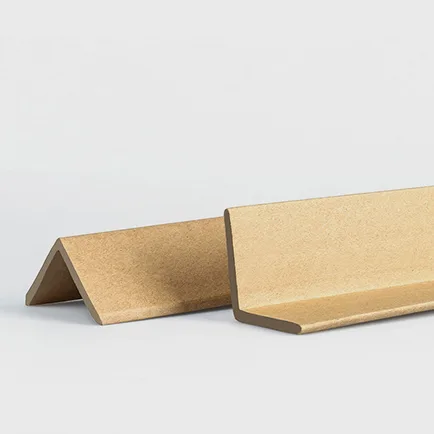
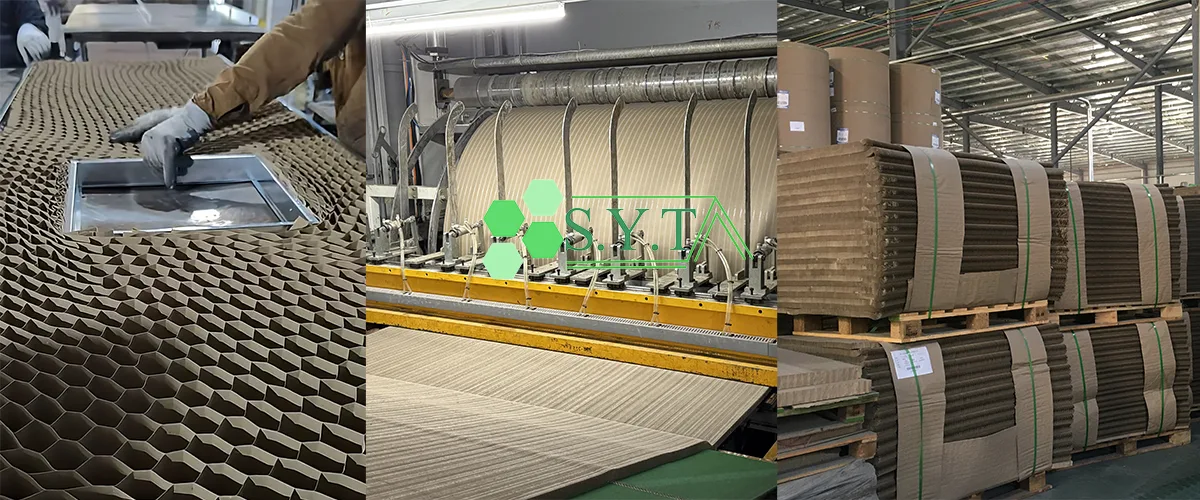
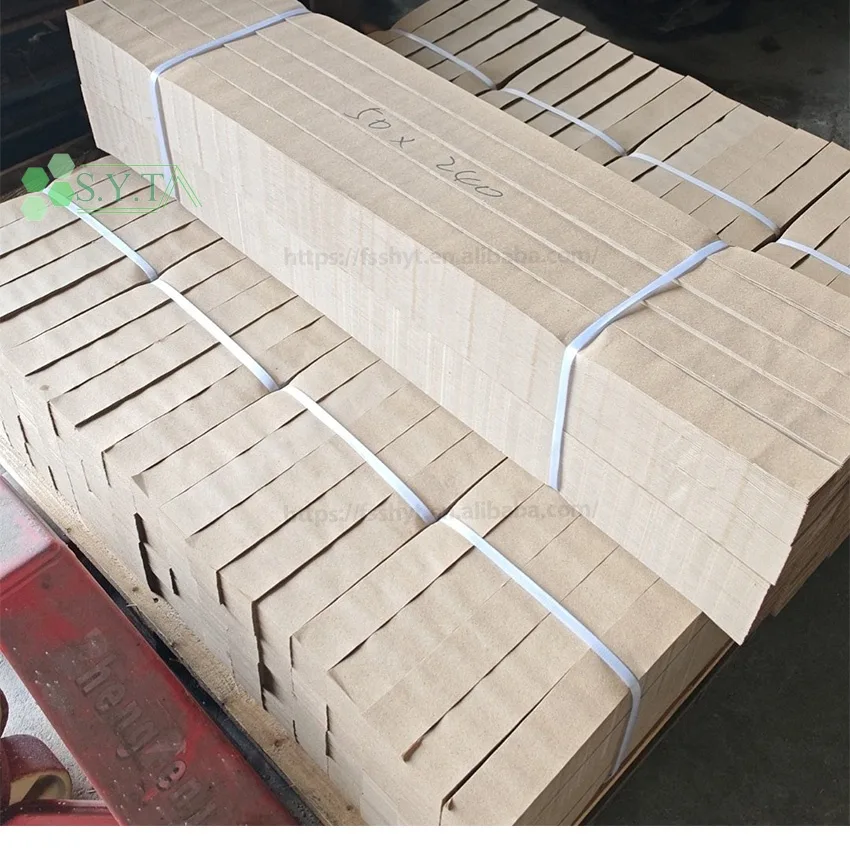
With single-cut strips, we separate every strip at the factory—cut to your width and length, sorted, counted and packed. Cut edges and width are checked before packing.
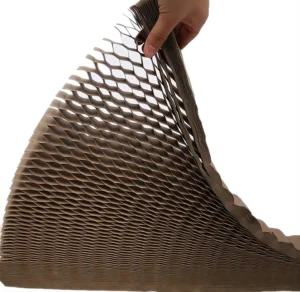
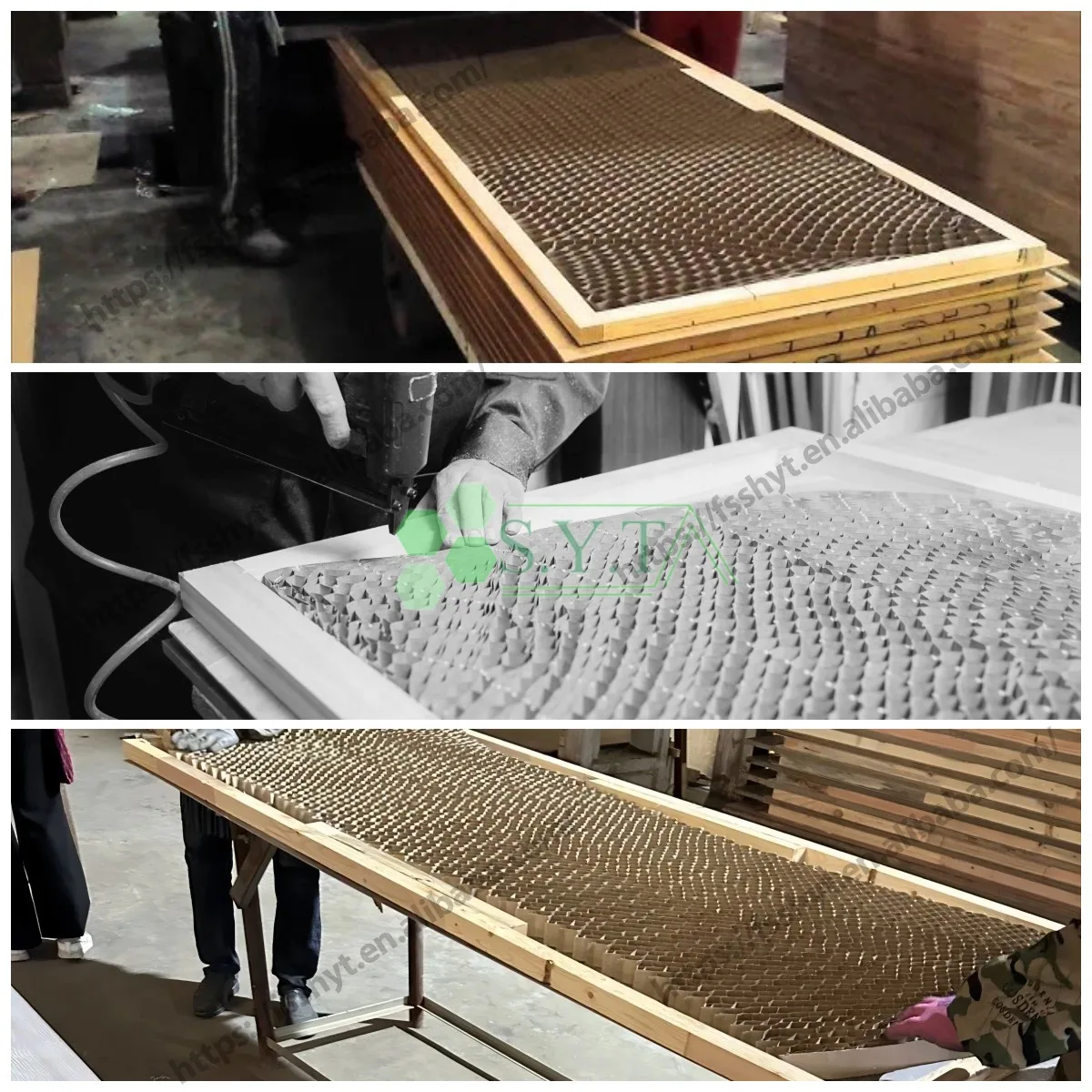
With continuous core, the sections stay connected and leave our plant as blocks;
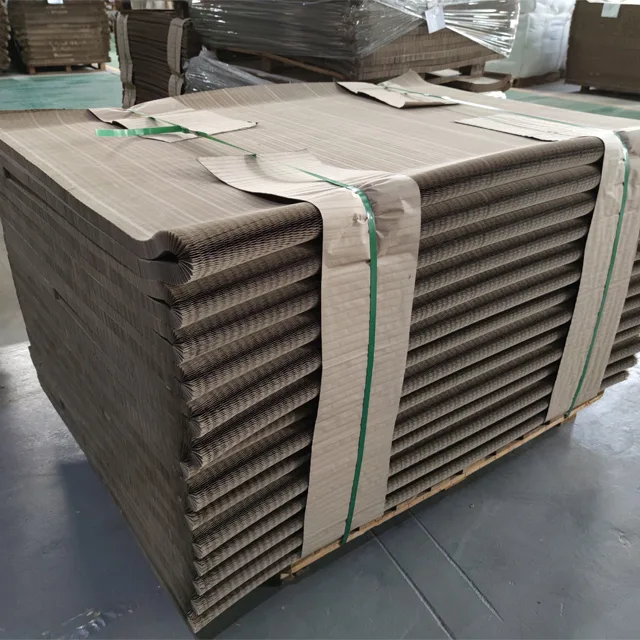
your team separates and cuts them at your own line before filling or lamination.
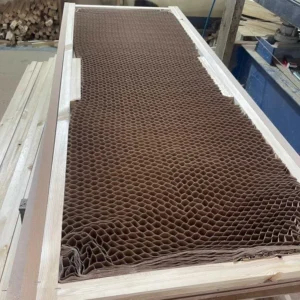
The same paper grammage and cell geometry are available in either form, so flat crush performance does not change with the format. One myth is worth clearing early: shipping volume is broadly similar between the two forms, so freight is not the reason to choose one over the other. Choose by your production line and your labour.
Which format fits your production line and labour cost?
Four questions usually settle it: Do you have slitting equipment? What is your hourly labour cost? What is your monthly volume? Can your team keep cell walls intact while cutting? If you have no slitting line, run small or mixed batches, or your staff are already fully loaded, single-cut strips are the practical choice. If you have a slitting line, steady monthly volume and tight process control, continuous core often lowers your unit material cost. Storage matters too: opened core takes on humidity quickly, so if your warehouse is not dry-controlled, ready-to-use strips can be the safer option.
Why does single-cut honeycomb core cost more per unit?
Because more of the work happens before the strips leave our plant. Separating, removing damaged strips, cutting to length, counting and packing are all operations that carry labour—and that labour sits in the unit price. What you receive in return is consistency and checked cut edges: width tolerance and cell damage are inspected batch by batch, and a batch QC record can travel with the goods. Continuous core shifts that work to your line. If your cutting is fast and clean, your total cost can be lower. If cutting causes crushed cells and scrap, single-cut strips frequently cost less overall despite the higher unit price. Ask your supplier to break the price into paper and glue, cutting and sorting, and packing—then compare the two formats on that basis.
How do you test the choice before switching formats?
Order both forms in the same specification—paper grammage, cell size, width tolerance and target moisture—and ask for samples, which are typically ready within 3–5 working days. Run one shift with each: record cycle time, operator hours and the waste rate you actually see. Check the cut edges and ask for the moisture reading at shipment; core should leave at 8%–10% moisture, and once opened it absorbs humidity faster than board. Finally, compare cost per door or per panel produced, not cost per strip—that is the number your production manager feels.
Conclusion
Single-cut and continuous honeycomb core strips are the same material with the work divided differently: one carries factory labour and quality control in the price, the other trades a lower unit cost for work on your own line. Choose by your equipment, volume, labour rate and storage conditions—not by freight, and not by unit price alone. Send us your monthly volume, cutting capability and specification; we will recommend the format that fits and quote both on the same basis, samples included. Learn how to start a custom project, by drawing or physical sample, in our [customization guide].
Note: labour rates and waste figures vary by plant; use the worksheet above with your own numbers before deciding.