Flat-Pack Furniture Packaging: 5 Ways to Protect Panels in Transit
Flat-pack furniture passes through warehouses, order picking, parcel or pallet networks and final installation. Each stage creates risks such as edge impact, surface scratching, carton compression, internal movement and missing accessories.
Flat-pack furniture packaging should do more than hold panels in a box. Honeycomb cardboard, paper corner protectors and internal separators can support the set through the full route.
Why do flat-pack furniture panels need more than a strong carton?
A carton provides an outer barrier, but it may not keep panels separated or prevent movement. Several boards can contact one another or transfer impact through the stack, while an unsupported load can make the carton bow.
Review panel dimensions, surface finish, number of parts, product weight and handling route. The package may need a base support, divider, edge reinforcement or fitting compartment.
How can honeycomb cardboard support large furniture panels?
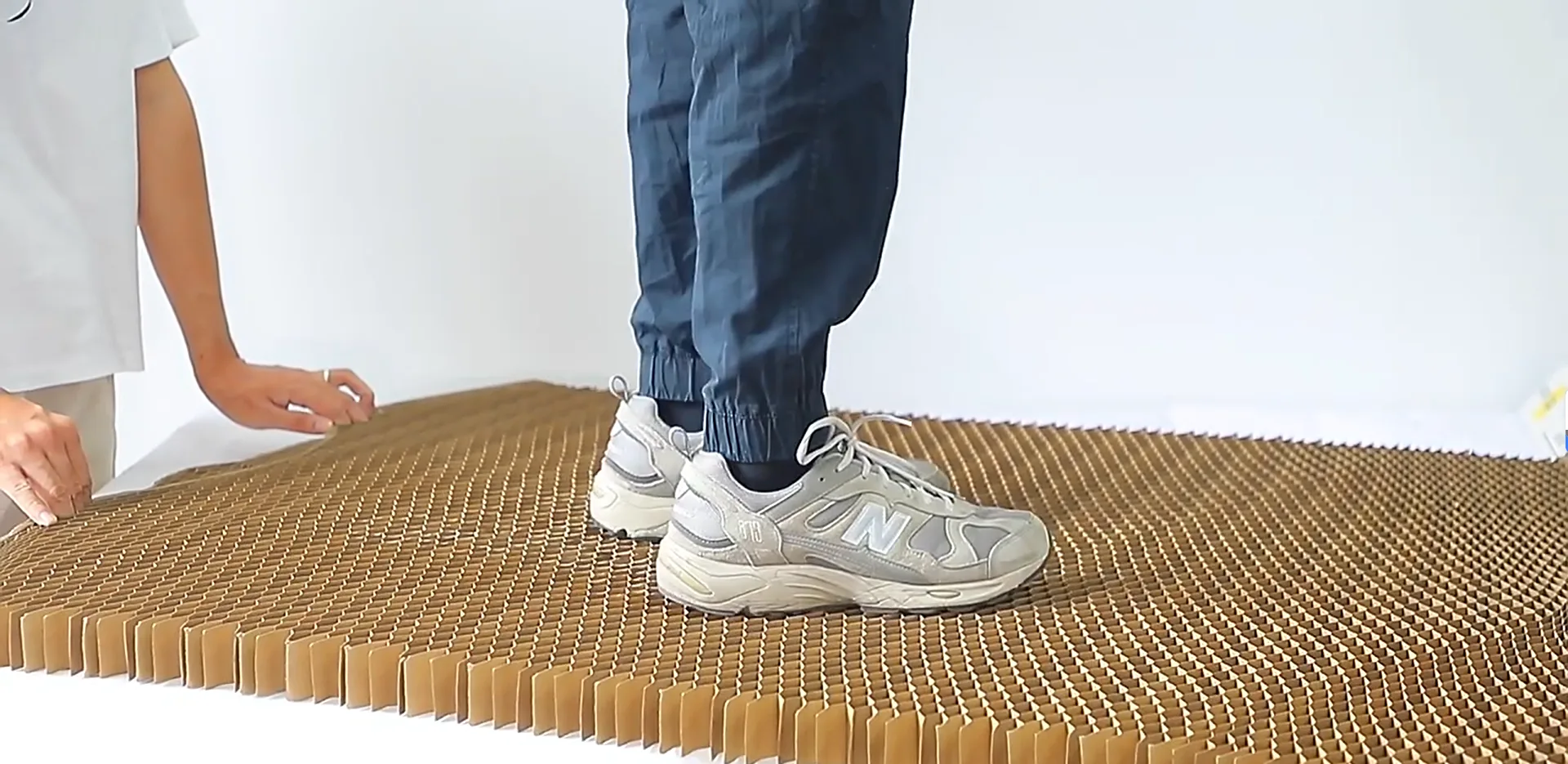
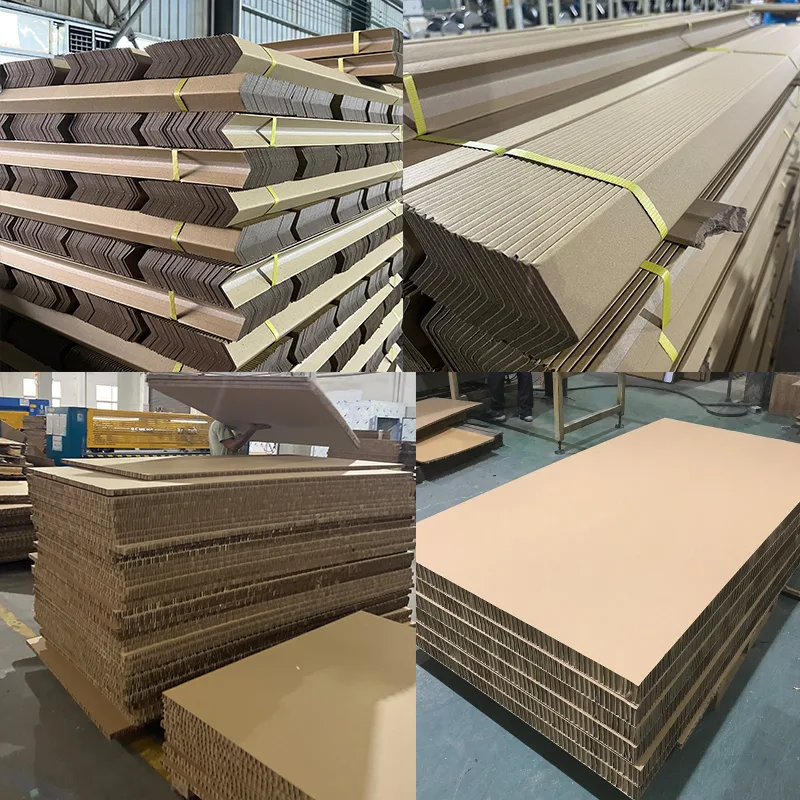
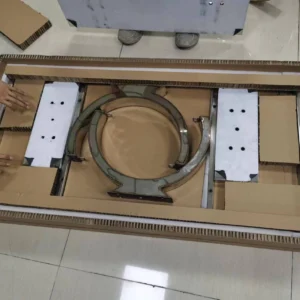
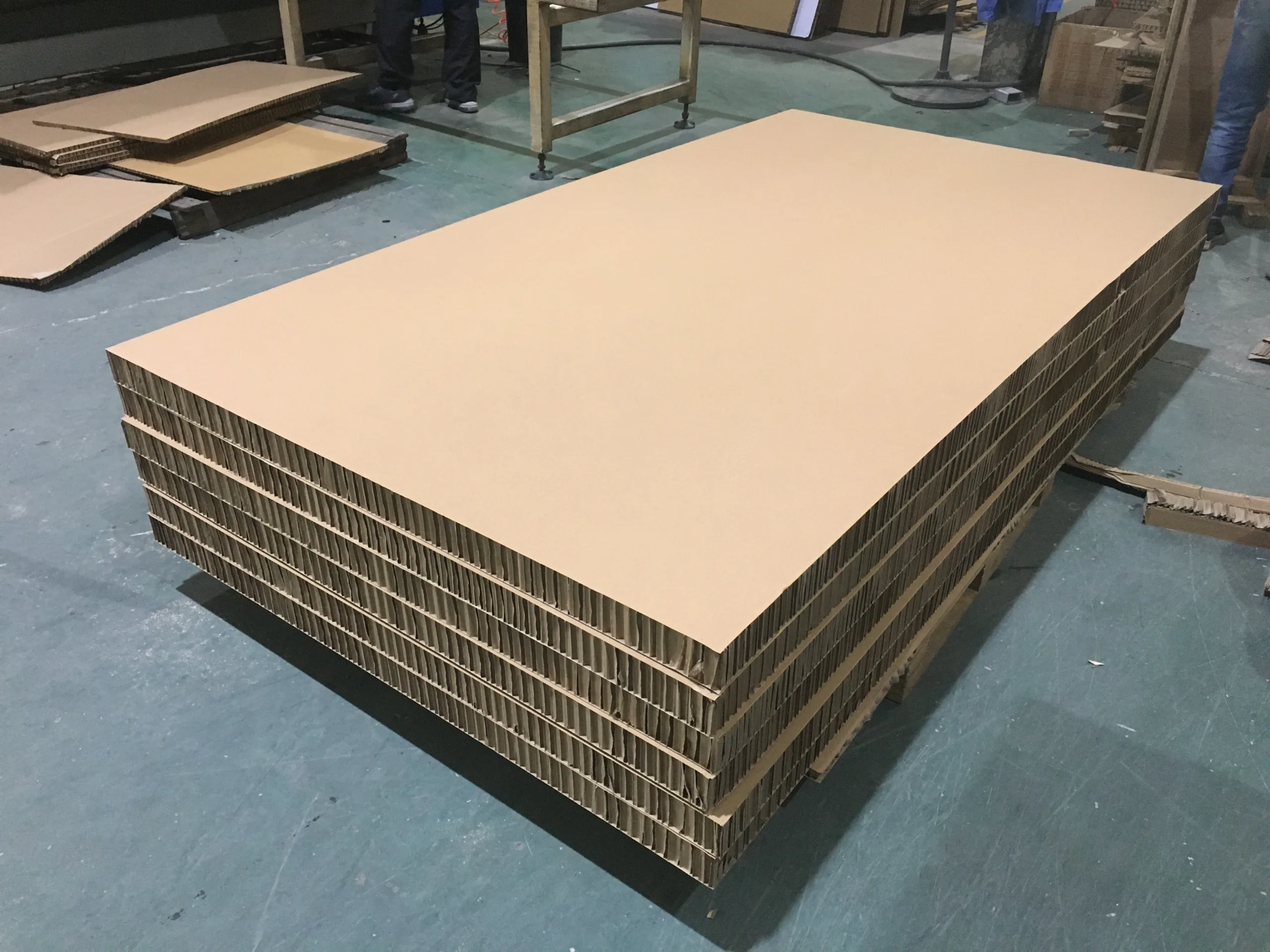
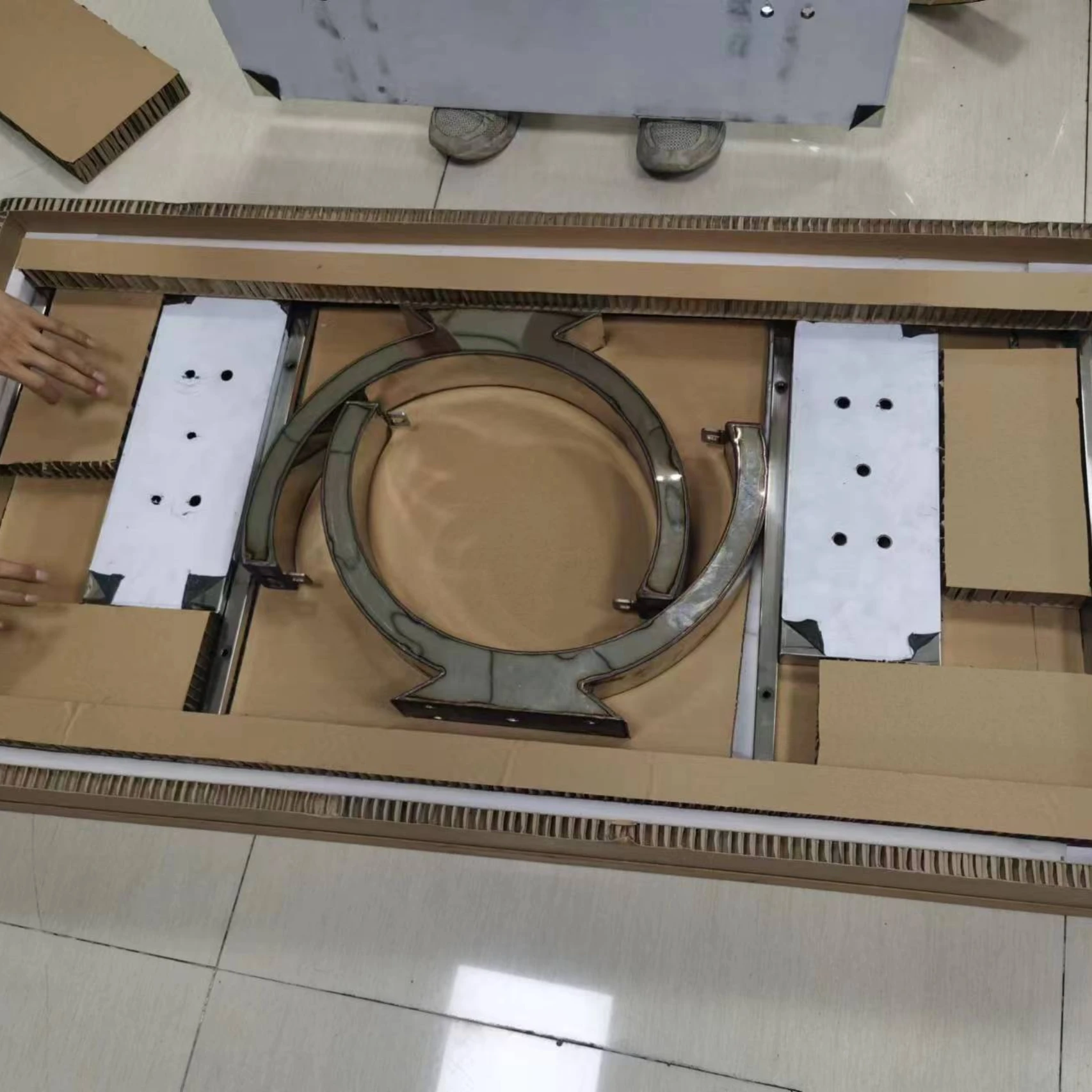
Honeycomb cardboard can serve as a separator, base layer, top pad or internal support. It provides a broader support surface than loose filler and can help keep panels aligned. Place support where the panel receives pressure during stacking and handling.
For long or wide panels, check the layout against bending areas and carton dimensions. A custom-cut board can suit packages with different panel sizes or cut-outs, using material where it performs a clear support function.
Where do paper corner protectors help most in flat-pack furniture packaging?
The four corners and long exposed edges are common contact areas. Paper corner protectors can reinforce the edge, separate it from the carton wall and support areas affected by straps or external compression.
The profile should match panel thickness, edge shape and package arrangement. A sample on the actual panel helps confirm fit before finalising the design.
How should fittings and small components be organised?
Screws, hinges, handles and instructions need defined positions so they do not move into the panel stack. A small honeycomb compartment or paper divider can separate fittings from finished surfaces and simplify inspection.
Panels should be placed for safe removal, while accessories remain visible and accessible.

How can manufacturers reduce packaging material without reducing protection?
Material reduction should start with the load path. Review panel contact points, stacking pressure and likely impact areas before removing support. Then compare a standard arrangement with honeycomb board and paper angles.
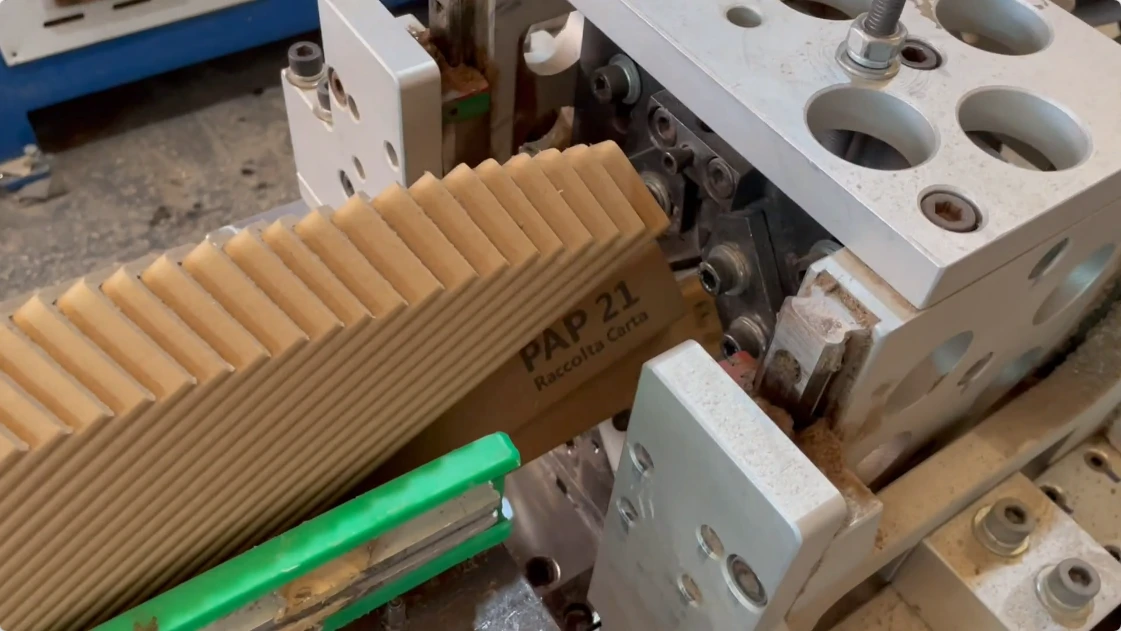
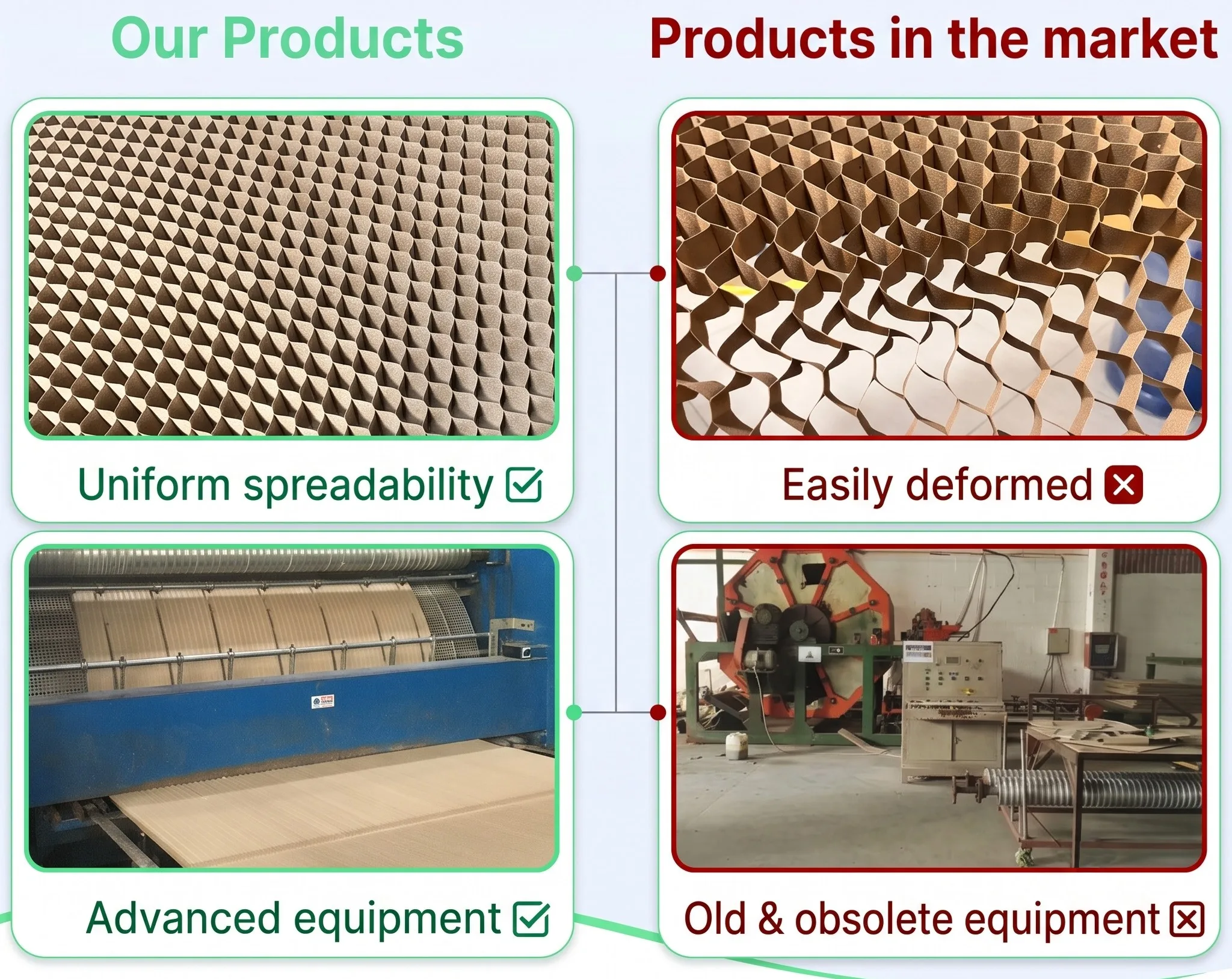
Our factory develops custom paper packaging around drawings, panel samples and packing photos. We produce honeycomb supports and paper corner protectors to match the required dimensions, while export batches generally target 8%–10% moisture. Check the finished package through a sample shipment or handling trial before larger production.
How Can Furniture Brands Validate Their Packaging?
Flat-pack furniture packaging should protect panels from warehouse to final assembly. Honeycomb cardboard can provide internal separation and broad support, while paper corner protectors reinforce exposed edges. Defined accessory compartments can improve packing control and unpacking efficiency.
For e-commerce or parcel delivery, review the packed unit after repeated lifting, turning and short-distance movement. This can reveal whether panels shift, corners contact the carton or fittings move into the surface area.
Send us your panel dimensions, carton size, product weight, component list and current damage points for a custom packaging review.
What should flat-pack furniture manufacturers include in a packaging brief?
A packaging brief can include panel dimensions, board thickness, surface finish, part count, carton limits, total packed weight and the planned distribution route. Photos of damaged cartons or panels can help identify whether the main issue is edge impact, internal movement, compression or accessory placement. If the product has several sizes, include the most common configurations and any parts that require separate protection.
The brief should also explain the packing sequence and the expected unpacking experience. A divider that protects finished surfaces may be useful, but it should not block the instructions or make the fittings difficult to find. For products sold through parcel networks, review the external carton as well as the internal supports because both systems work together during handling.
After a sample pack is approved, record the honeycomb board dimensions, corner protector positions, divider layout and accessory compartment location. This record can support repeat production and make future changes easier to evaluate. When the panel material, carton size or delivery route changes, review the packaging rather than assuming that the previous arrangement will provide the same level of support. A short internal review can help confirm whether the approved layout still matches the new load.
Technical note: final packaging performance depends on panel materials, carton design, pallet or parcel handling and the customer’s distribution route.