Honeycomb Cardboard, Core Strips or Angle Boards? How to Choose the Right Paper-based Packaging Material
Choosing a paper-based packaging material can be difficult when honeycomb cardboard, honeycomb core strips and paper angle boards appear to serve similar purposes. These products use paper structures, but they are not interchangeable across different applications. Their shapes, support directions and installation methods are different, so the right choice depends on what the package needs to protect.
For purchasing teams, the first step is to review the product and the load path. Does the package need a broad separator between panels? Does a furniture door require an internal lightweight core? Is the main risk concentrated pressure from straps at the edge of a pallet? These questions can guide the packaging material selection more effectively than comparing product names alone.
How do honeycomb cardboard, core strips and angle boards differ?
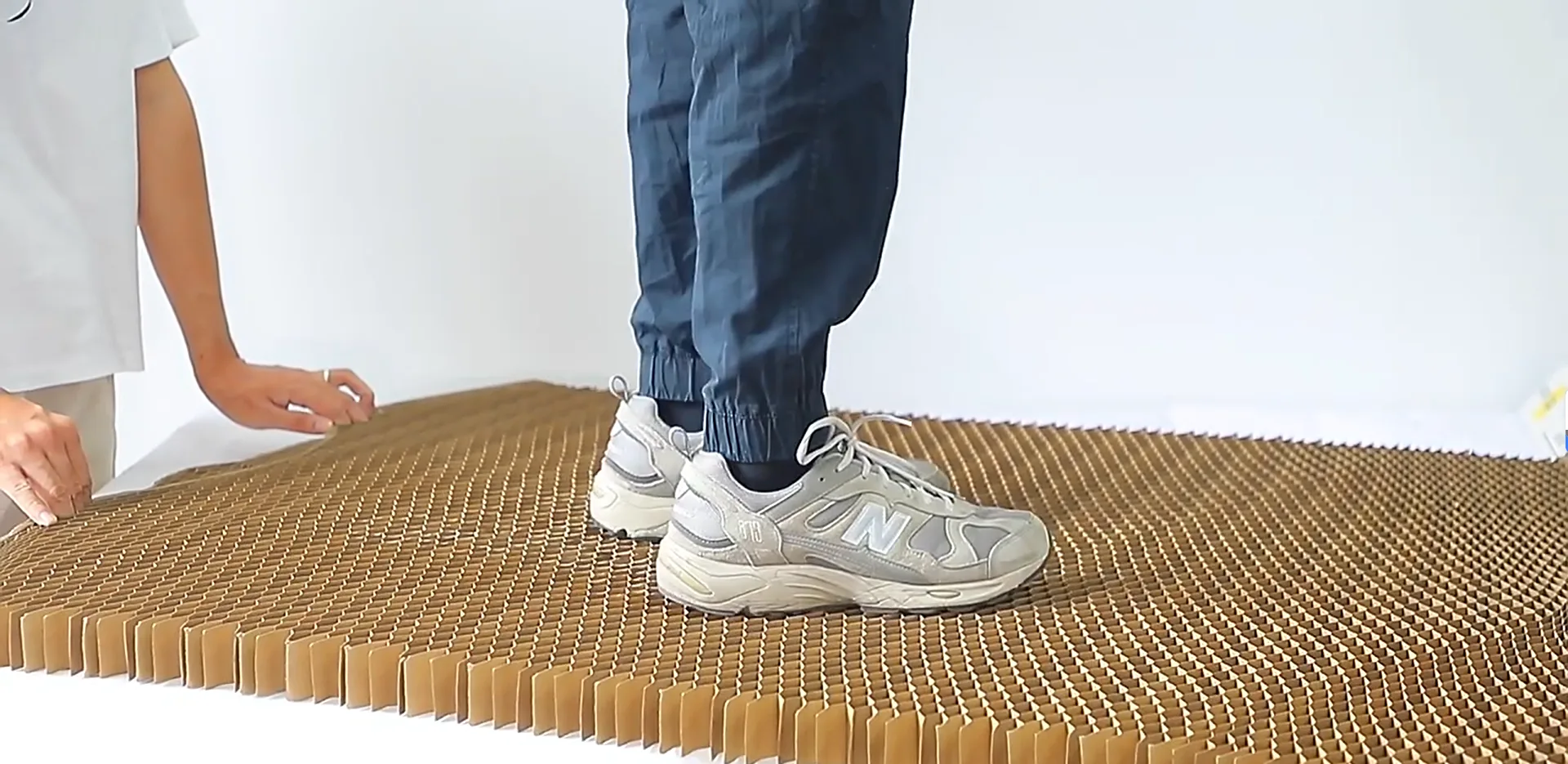
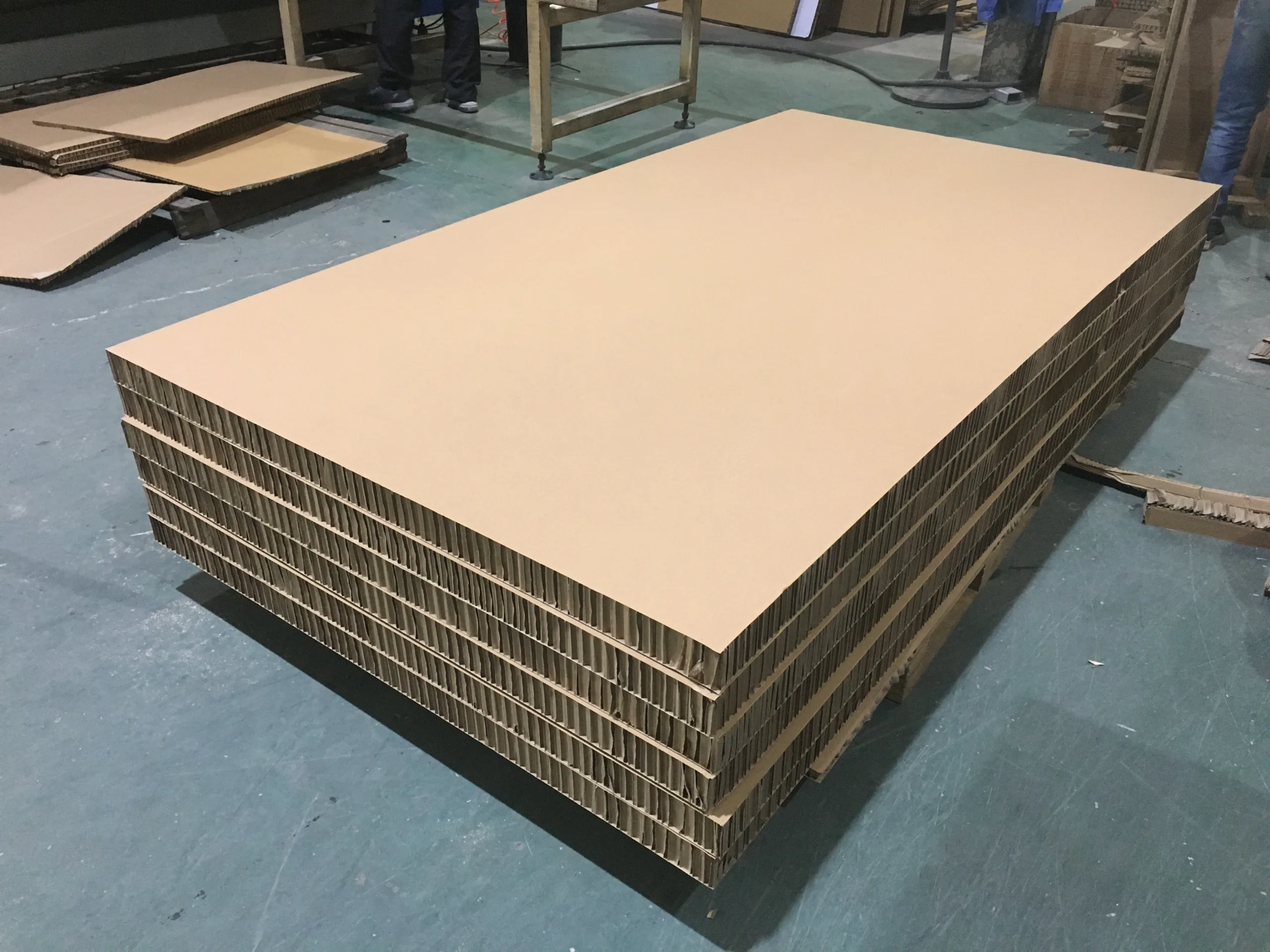
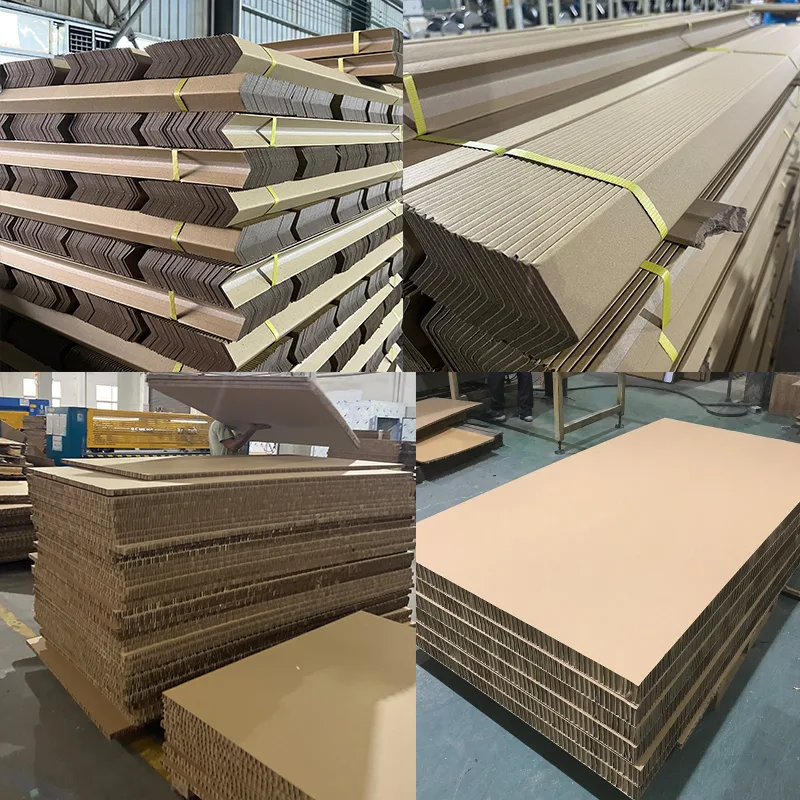
Honeycomb cardboard normally refers to a paper honeycomb structure combined with facing sheets. The finished board can be used as a separator, top pad, bottom pad, liner or shaped packaging component. Because it provides a broad surface, it can help divide products inside a carton or distribute support under a panel.
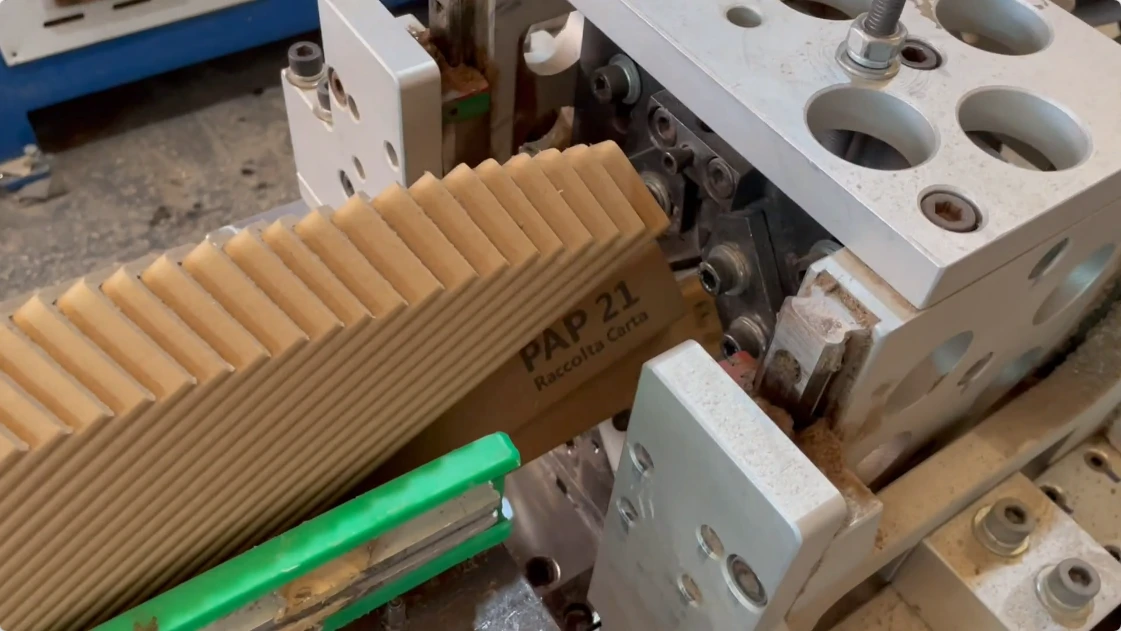
Honeycomb core strips are narrow paper strips used as an internal core in products such as cabinet doors, furniture panels and lightweight boards. They are supplied in single-cut or continuous strip formats. Their role is different from a finished honeycomb board because the customer integrates the strips with skins, frames or other panel materials during production.
Paper angle boards, also called paper corner protectors, are shaped to protect edges and corners. They are commonly placed under straps, along pallet corners or beside exposed panel edges. Their value comes from supporting a vulnerable line or corner rather than filling the entire internal space of a carton.
When should buyers consider honeycomb cardboard packaging?
Honeycomb cardboard packaging can be considered when the product needs internal separation, a broad support surface or a lightweight structural pad. Furniture panels, doors, glass components, stone tops and appliance parts may require support between layers or beneath a concentrated load.
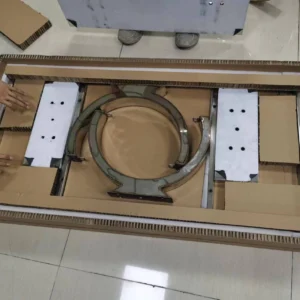
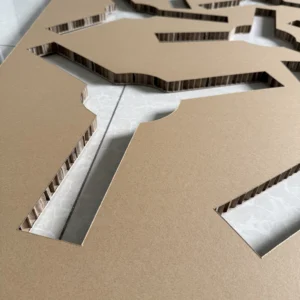
The board can be supplied as a flat sheet or developed into a die-cut insert, depending on the product shape. A separator can keep finished surfaces from contacting one another, while a shaped piece can hold an irregular component in a defined position. The suitable thickness and cell structure should be reviewed against the product weight, support span and carton dimensions.
Honeycomb cardboard may also be used as a top layer on a mixed pallet. In this position, it can help create a more even contact surface before stretch film or strapping is applied. The actual arrangement should be tested with the pallet pattern because high and low packages can change where pressure is transferred.
When are honeycomb core strips more suitable for a product structure?
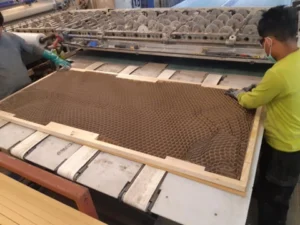
Honeycomb core strips are considered when the material will become part of a finished panel rather than remain as an external packaging insert. Cabinet doors, wardrobe doors, furniture partitions and decorative panels may use strips between two skins or within a frame.
The strip specification can be reviewed through core height, paper grammage, cell size, strip width and spacing. A smaller cell may create a denser support arrangement, while a different spacing plan may suit a panel with a strong frame. Hardware zones should also be marked because hinges, handles and fixing points may require additional support or clear drilling space.
The supply format should match the factory’s process. Single-cut strips can be placed directly in a panel, while continuous strips can suit a customer with its own cutting or separation operation. The two formats are both strip-based products, so the decision should focus on production control, labour and placement efficiency rather than assuming a major shipping-volume difference.
When can paper angle boards solve a different packaging problem?
Paper angle boards are useful when the main risk is edge compression, strap pressure or corner impact. A pallet of furniture cartons may be stable in the centre but vulnerable at the outside corners. A strap can also create a narrow pressure line across a carton or panel. An angle board increases the contact width and helps distribute that pressure along the edge.
The required profile depends on the panel thickness, edge shape, strap type, strap tension, pallet height and carton arrangement. A narrow protector may not cover the contact area, while a larger profile may reduce usable space inside the package. Testing a sample on the actual load can help confirm the fit and position.
How should buyers compare the three materials during a quotation?
A quotation request should describe the product, packaging structure and expected handling conditions. Include product dimensions, weight, surface finish, carton size, pallet pattern and the location of straps or other contact points. For honeycomb core strips, also provide the panel construction, target thickness, skin material and hardware layout.
Ask the supplier to separate the product specification from the application recommendation. For example, a board quotation can state sheet size, thickness, cell structure and packing quantity, while an angle board quotation can state leg width, thickness, length and bundle quantity. This format makes it easier to compare offers without treating different products as if they perform the same task.
What should a sample test include before a packaging material is approved?
A sample test can include placement, fit, handling and visual inspection. For honeycomb cardboard, check whether the sheet remains flat, supports the required area and separates the product from the carton wall. For core strips, inspect the panel after pressing and machining, including the hinge or fixing zones. For angle boards, tighten the intended strap and check whether the protector stays aligned and whether the edge shows concentrated compression.
The test should reflect the actual packing process as closely as possible. A material that fits an empty carton may behave differently after the product, accessories and external straps are added. Record the sample dimensions, material construction, moisture target and placement method so the approved version can be repeated during production.
How can exporters build a practical paper packaging specification?
Exporters can start with a simple decision sequence: use honeycomb cardboard for broad separation or support, use honeycomb core strips when the material becomes part of a finished panel, and use paper angle boards where edge or corner pressure needs to be distributed. Some products may require two or three of these solutions in the same shipment.
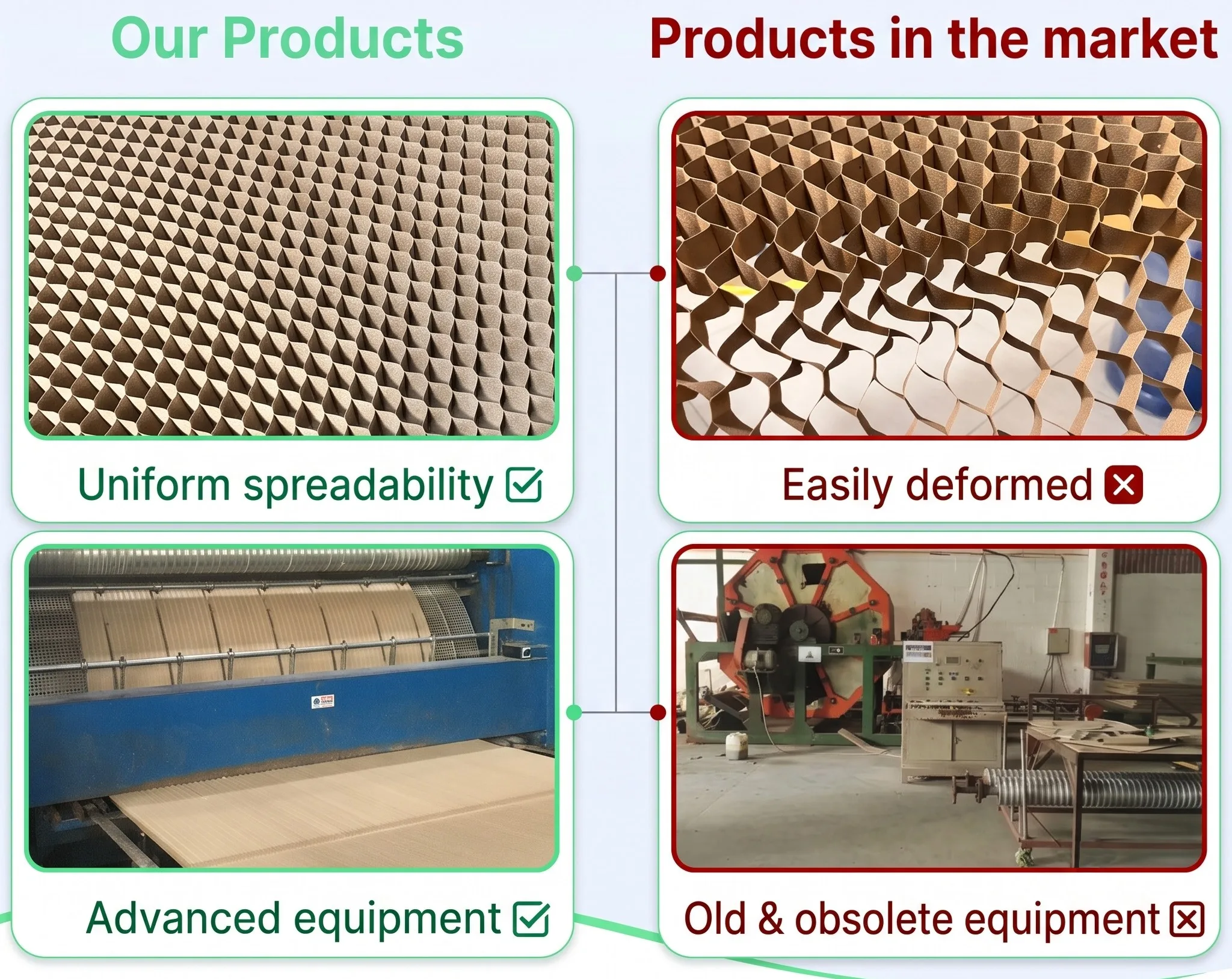
Our factory can discuss custom honeycomb cardboard, single-cut or continuous core strips and paper angle boards around drawings, photos or physical samples. Export paper components generally target 8%–10% moisture, with batch checks completed before shipment. The final specification should still be confirmed through a sample because product geometry, adhesive, pressing, strapping and handling conditions can change the result.
Technical note: the most suitable packaging material depends on the product structure, load direction, packing method and distribution route.