4 Great Reasons Why Reliable Cardboard Angle Beats Plastic & Foam?
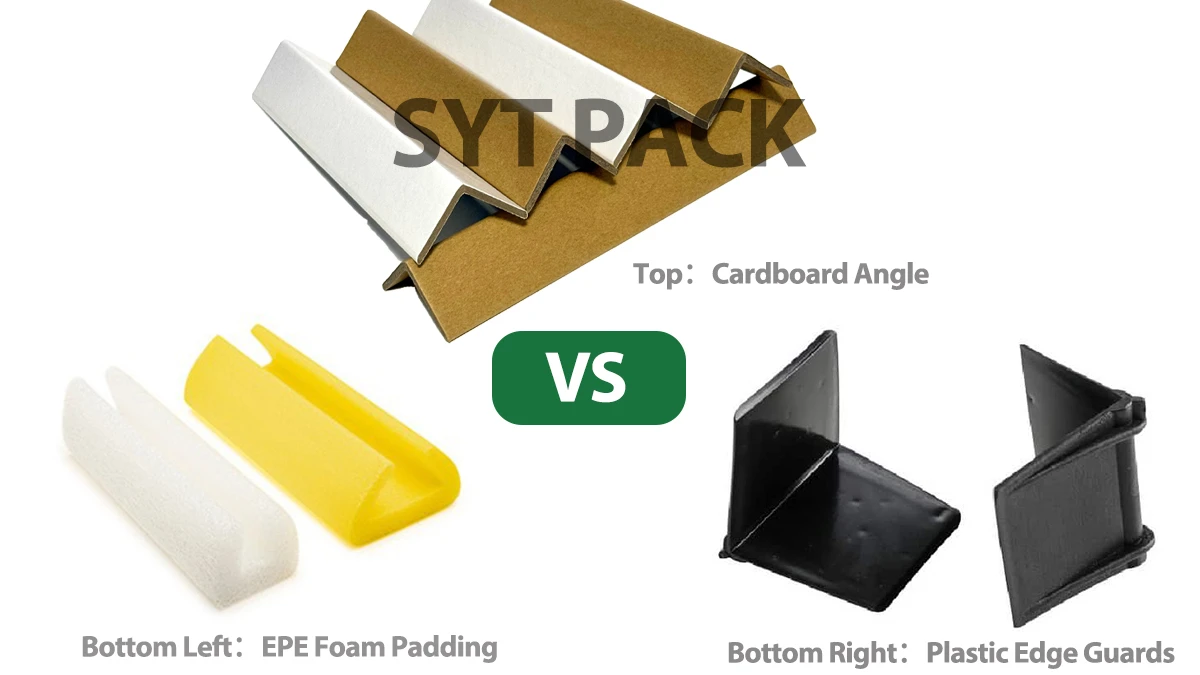
Plastic edge strips and EPE foam padding once dominated the global cargo corner protection market for decades, serving as the mainstream packaging accessories for export pallet shipments. However, a growing number of export manufacturers, logistics suppliers and cross-border trading companies have gradually switched to cardboard angles year by year, replacing plastic and foam solutions in their daily packaging workflows. This obvious industry shift does not happen by chance; it stems from huge gaps between the three protective materials in four core dimensions: mechanical protection performance, environmental compliance, overall packaging expenditure and multi-scene customization adaptability. In this article, we conduct a comprehensive, detailed comparison of cardboard angles, plastic edge guards and EPE foam to explain why kraft paper-based corner protection has become the top pick for modern export packaging.
1. Better Mechanical Protective Performance for Long-Distance Shipping
Higher Rigidity Than Light Foam Materials
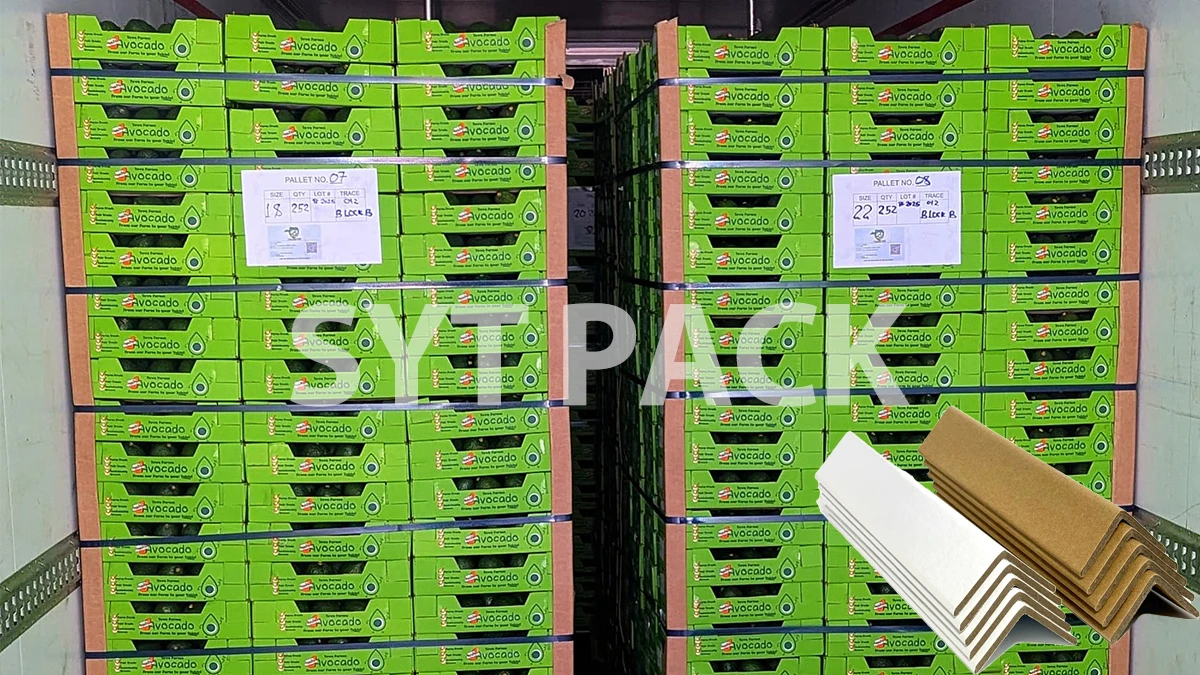
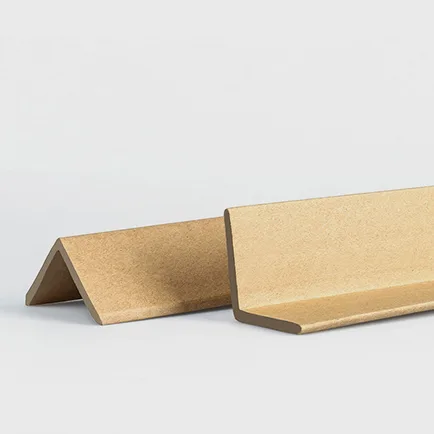
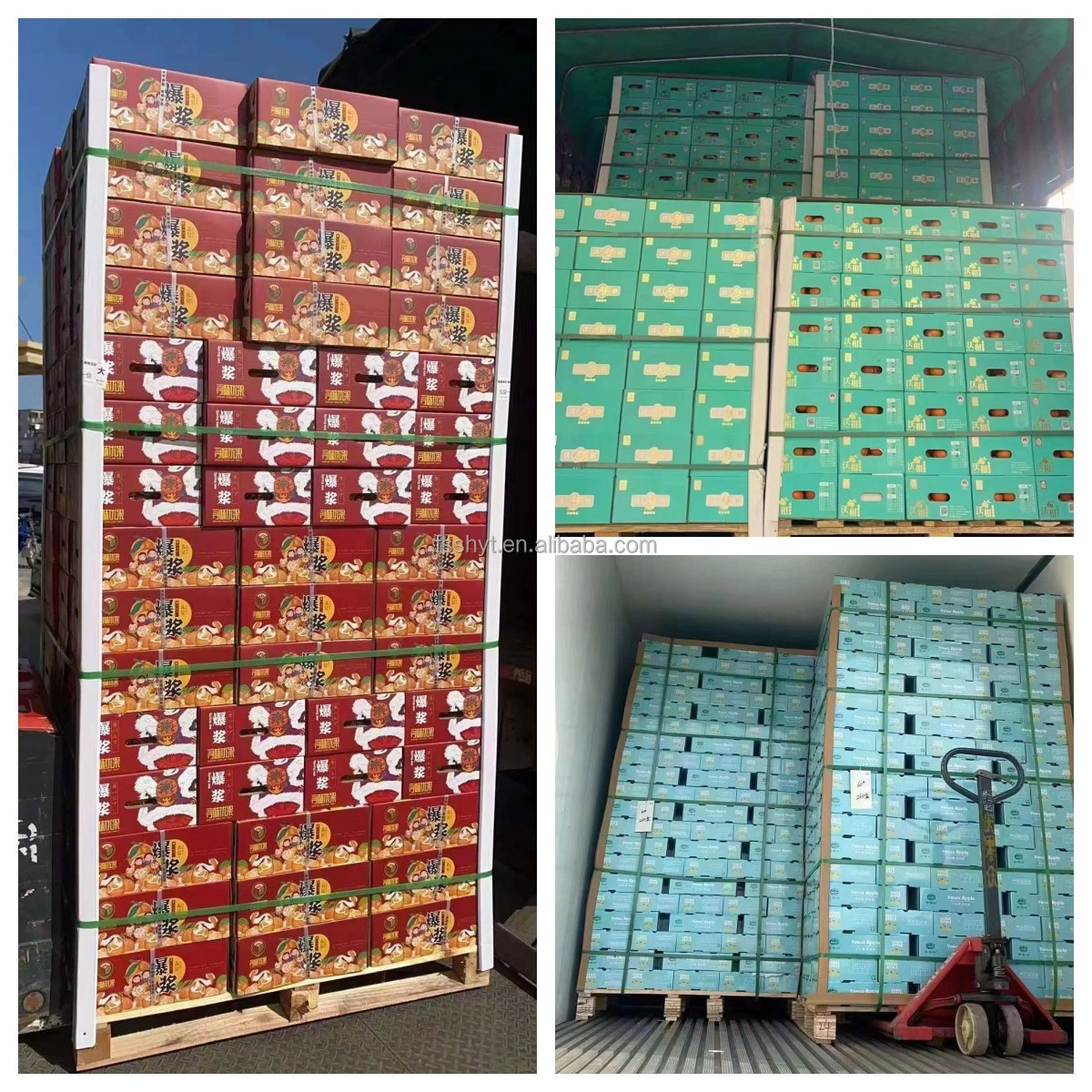
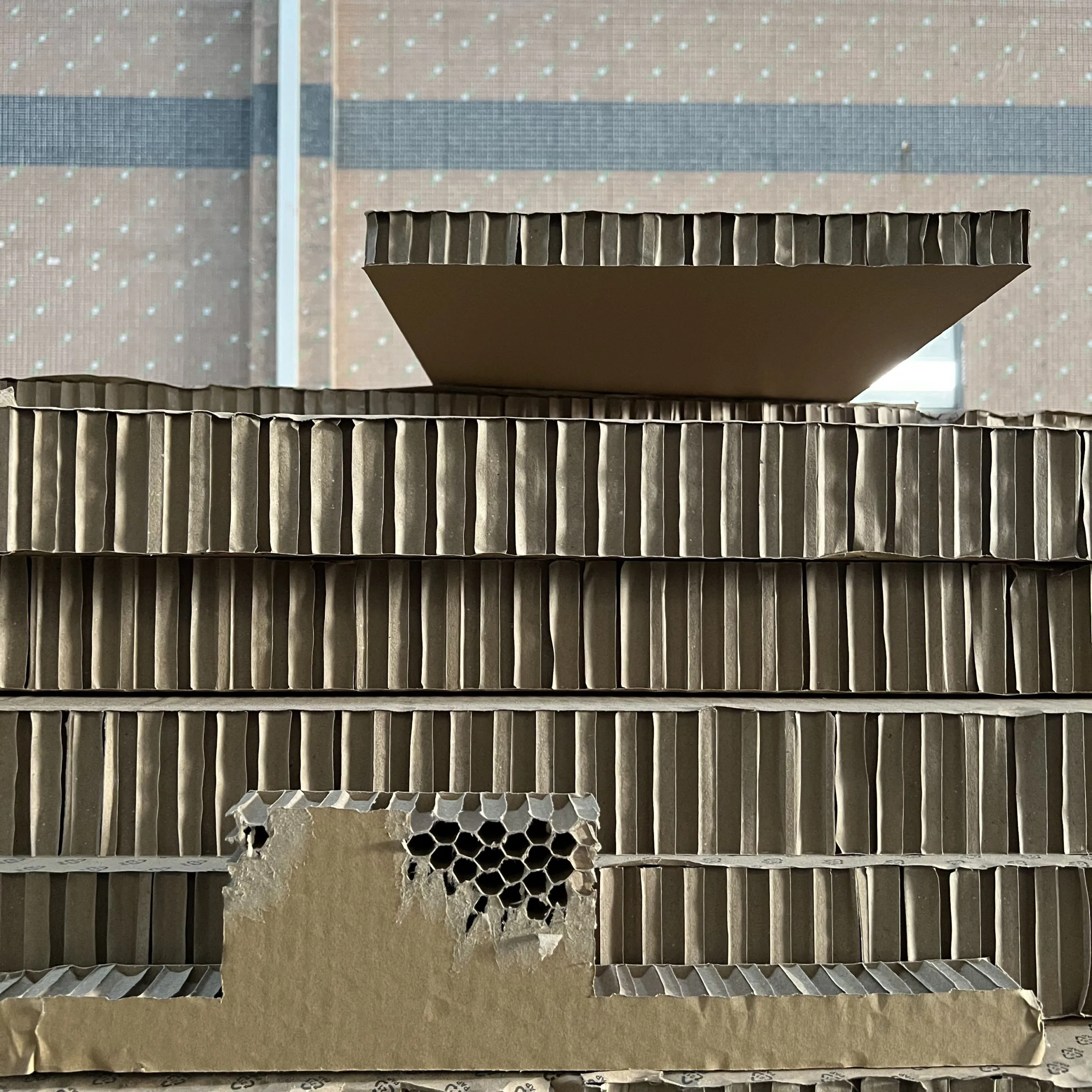
Pure EPE foam only provides soft, lightweight shock buffering, and it cannot withstand heavy vertical pressure generated by multi-layer pallet stacking during warehouse storage and container loading. When stacked under heavy cargo loads, foam compresses permanently and loses its protective effect completely, which leads to crushed carton corners, scratched finished goods and expensive logistics compensation claims for exporters. In contrast, cardboard angles are manufactured with multi-layer compressed laminated kraft paper, forming a solid L-shaped rigid framework. This sturdy structure delivers stable structural support that perfectly fits all high-load shipping scenarios, covering five mainstream export sectors including logistics warehousing, wooden furniture, food & beverage, textile garments and precision electronic products. Even under tight full-container stacking pressure, cardboard angles keep carton edges intact without deformation or collapse.
Stronger Low-Temperature Toughness Than Disposable Plastic Guards
Low-cost thin plastic edge strips have prominent flaws in extreme transportation environments. They turn brittle and crack easily in cold winter transit, and they will split apart when receiving sharp impact from forklifts, pallet jacks or colliding cargo during port transshipment. Cardboard angles feature balanced hardness and excellent bend resistance, adapting perfectly to humid, salt-laden sea container environments and bumpy long-distance land transport across global international trade routes. Unlike plastic that fractures once stressed, multi-layer kraft paper disperses impact force evenly along the entire corner surface, preventing concentrated damage at single points throughout the whole supply chain journey.
2. Superior Environmental Protection & Customs Clearance Performance
100% Recyclable and Fully Biodegradable Raw Material Composition
Standard cardboard angles are crafted from recycled kraft paper pulp and natural plant starch adhesive, without adding any toxic plasticizers or chemical additives. After finishing overseas delivery, these cardboard angles can be fully recycled with carton waste or naturally biodegrade in landfills, leaving zero persistent plastic waste. This eco-friendly feature fully aligns with global low-carbon packaging policies and carbon neutrality regulations that customs authorities strictly enforce across Europe, North America, Australia and Southeast Asian markets. Many brand buyers now require suppliers to use fully recyclable packaging materials to meet their corporate green supply chain standards.
Zero Risk of Customs Green Inspection Detention
Regulators in the EU, United States, UK and major Southeast Asian countries have rolled out strict restrictions and high tariffs on non-degradable plastic and foam packaging in recent years. Shipments wrapped with plastic edge strips or EPE foam often face delayed customs clearance, mandatory packaging removal fees or heavy environmental fines at destination ports. Cardboard angles completely eliminate these hidden risks for all categories of export goods. Customs inspectors recognize paper packaging as compliant eco-friendly material, so shipments with cardboard angles pass environmental checks quickly without extra delays or unexpected additional costs.
3. Lower Comprehensive Packaging Cost for Mass Export Factories
Cheaper Bulk Raw Material Input Expense
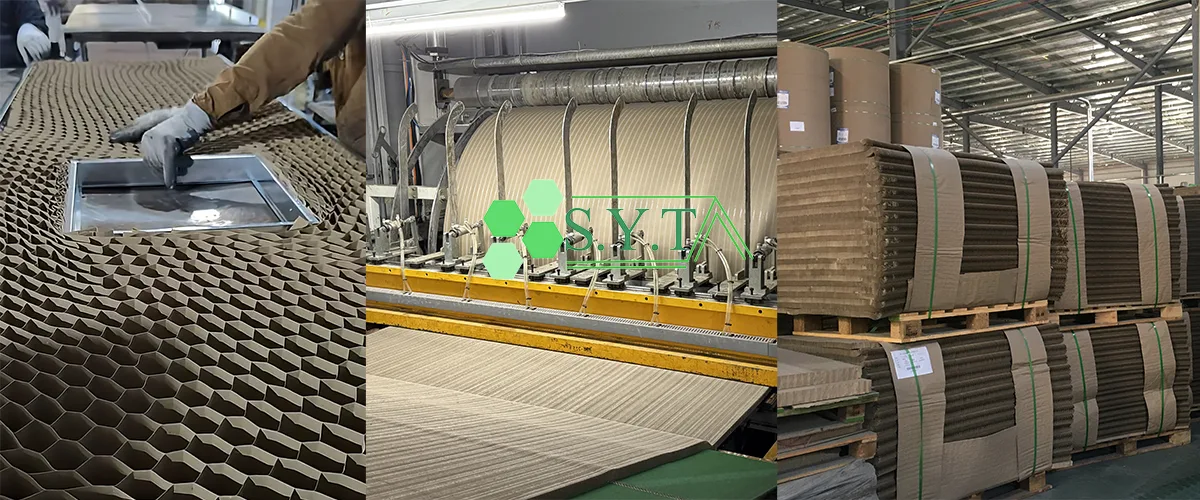
When placing large-volume monthly factory orders, kraft paper raw materials cost significantly less than modified rigid plastic sheets and high-density EPE foam. For manufacturers with thousands of pallets shipped every month, switching to cardboard angles trims recurring packaging expenditure substantially month over month, creating stable long-term cost savings without sacrificing protective quality. Unlike plastic and foam that require complex chemical processing, cardboard angles follow a simple compression production process to keep unit prices low for bulk purchasers.
Lighter Unit Weight to Cut Ocean & Air Freight Charges
Cardboard angles have a lightweight construction compared to thick plastic strips and bulky foam blocks. The reduced overall pallet weight directly lowers total shipment dead weight, which translates to smaller sea freight bills for full container loads, as well as dramatic cost cuts for air express and small LCL export batches. Ocean carriers and air freight forwarders calculate fees strictly based on volumetric weight; lightweight paper packaging effectively reduces volumetric weight and avoids oversize surcharges that heavy plastic and foam materials often trigger.
4. Higher Customization Flexibility to Match Brand & Packaging Needs
Cardboard angles support flexible customization in multiple dimensions, including adjustable thickness, customizable length, variable width and printed brand logos. Factories can print company trademarks, product information or compliance marks directly onto the paper surface to realize standardized branded packaging for uniform shipment appearances. Plastic and foam accessories only offer limited printing effects, while foam cannot support clear, durable surface printing at all. If you want to learn more about the practical logistics advantages of paper corner protection, you can review the core shipping functionality of cardboard angles within our dedicated function explanation article for quick reference on load-bearing and stacking performance.