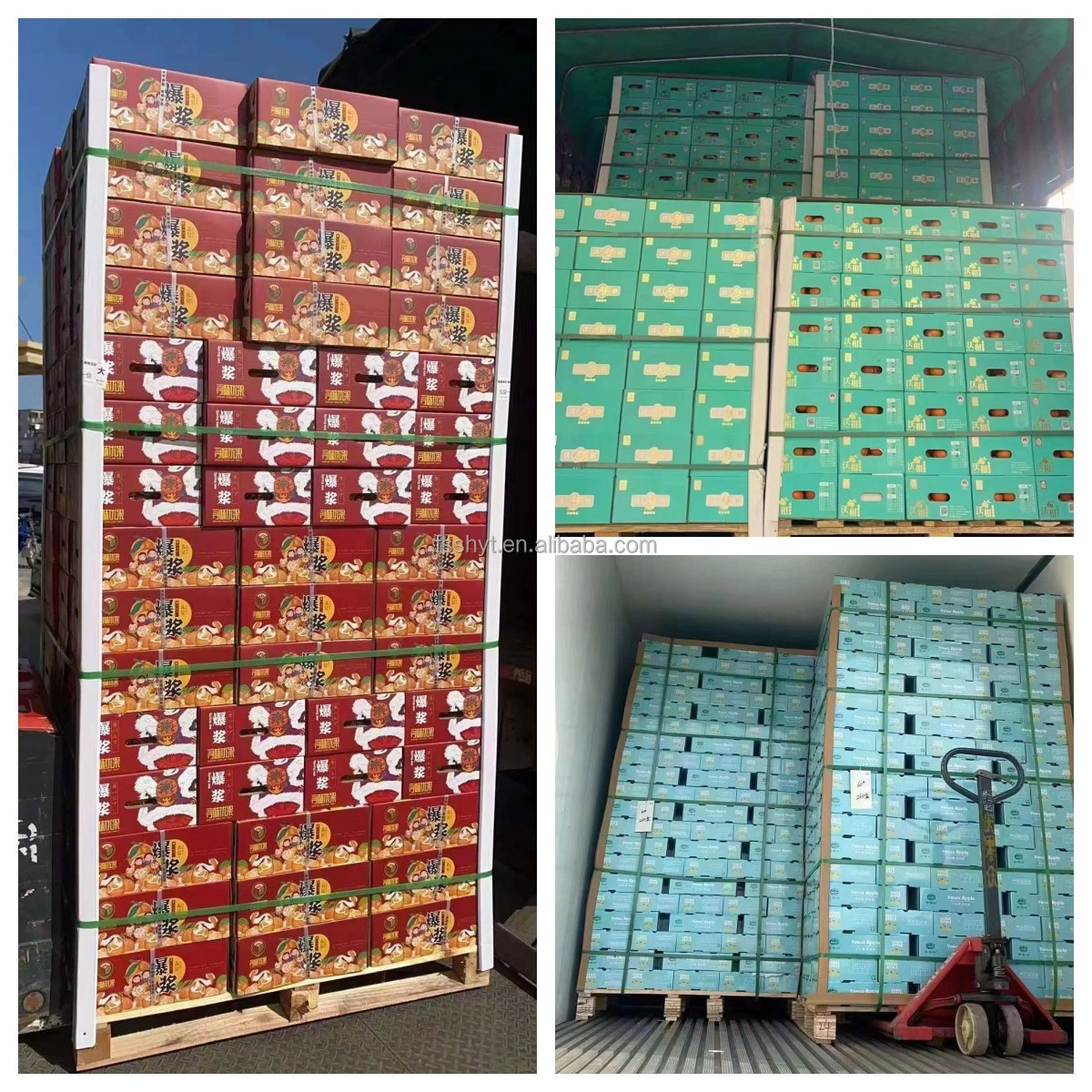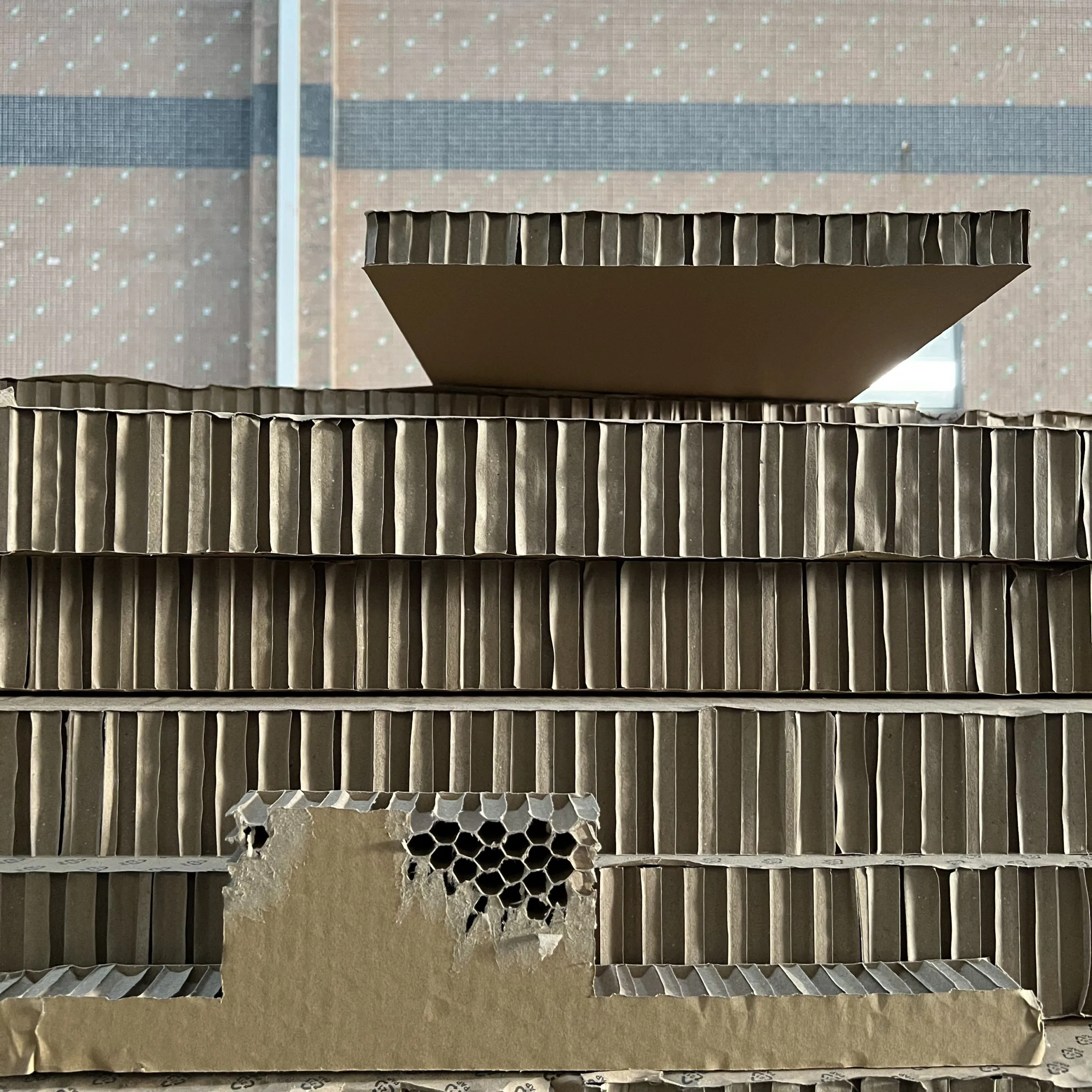
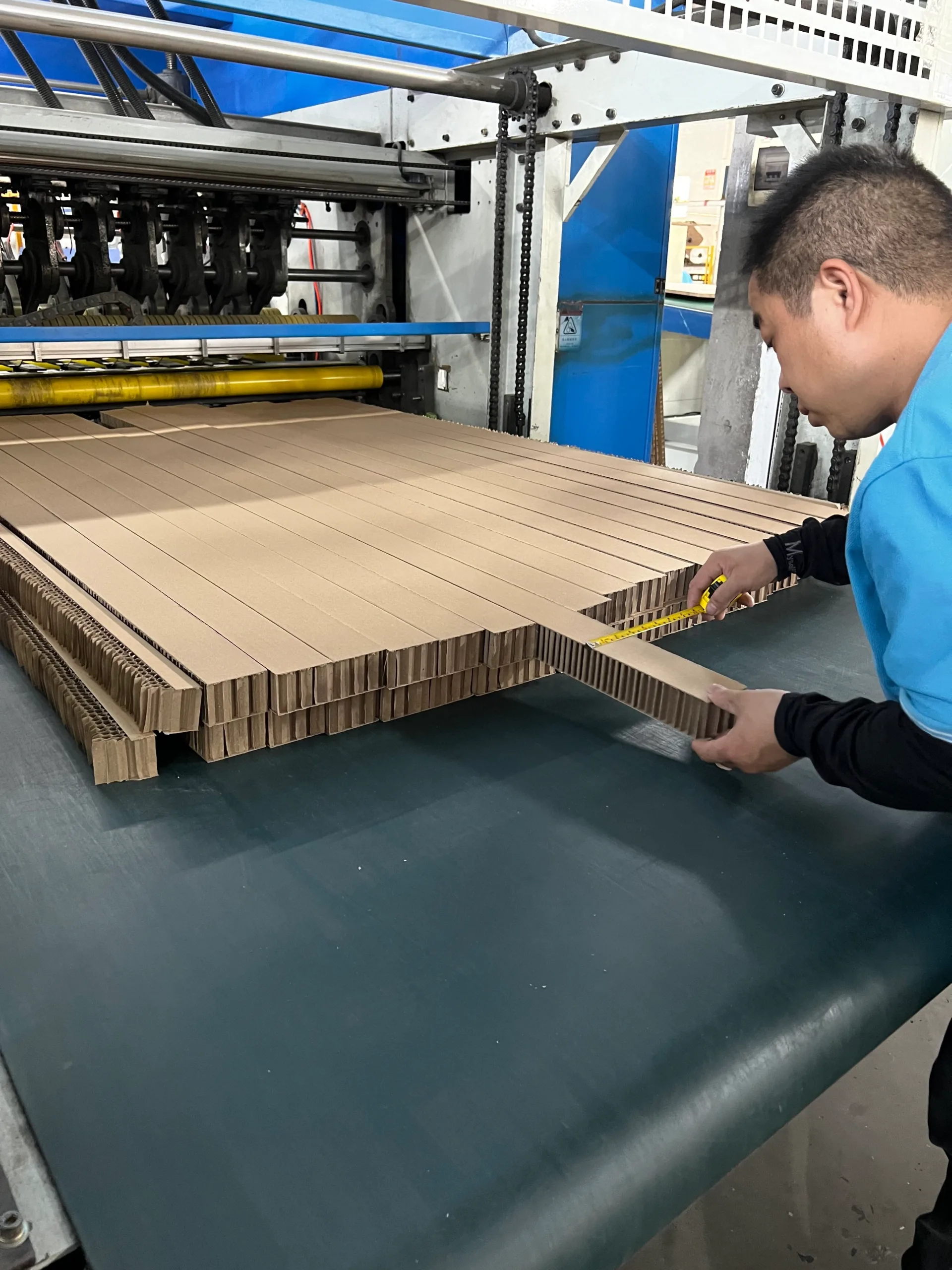
4 Major Industrial Sectors Driving the Global Adoption of Honeycomb Cardboard and edgeboards
Introduction
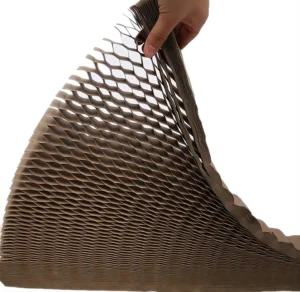
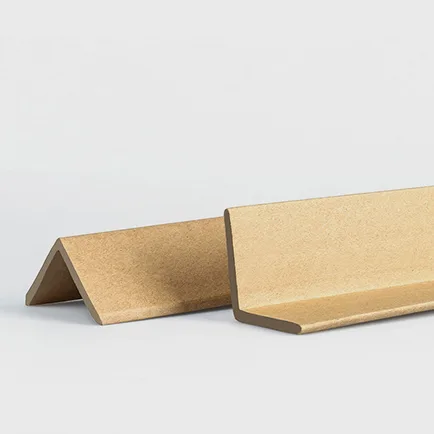
As global supply chains grow increasingly complex, the demand for sustainable, high-performance packaging has shifted from an option to a prerequisite for safe transit. Numerous industrial sectors have integrated a hybrid approach, utilizing both Paper Edge Protectors and Honeycomb Cardboard to mitigate the inherent risks of international logistics. While edge protectors provide critical vertical reinforcement, honeycomb panels offer superior surface protection and cushioning. Together, they create a comprehensive structural shield that protects cargo against the extreme mechanical stresses of multi-tier warehousing and transoceanic shipping.
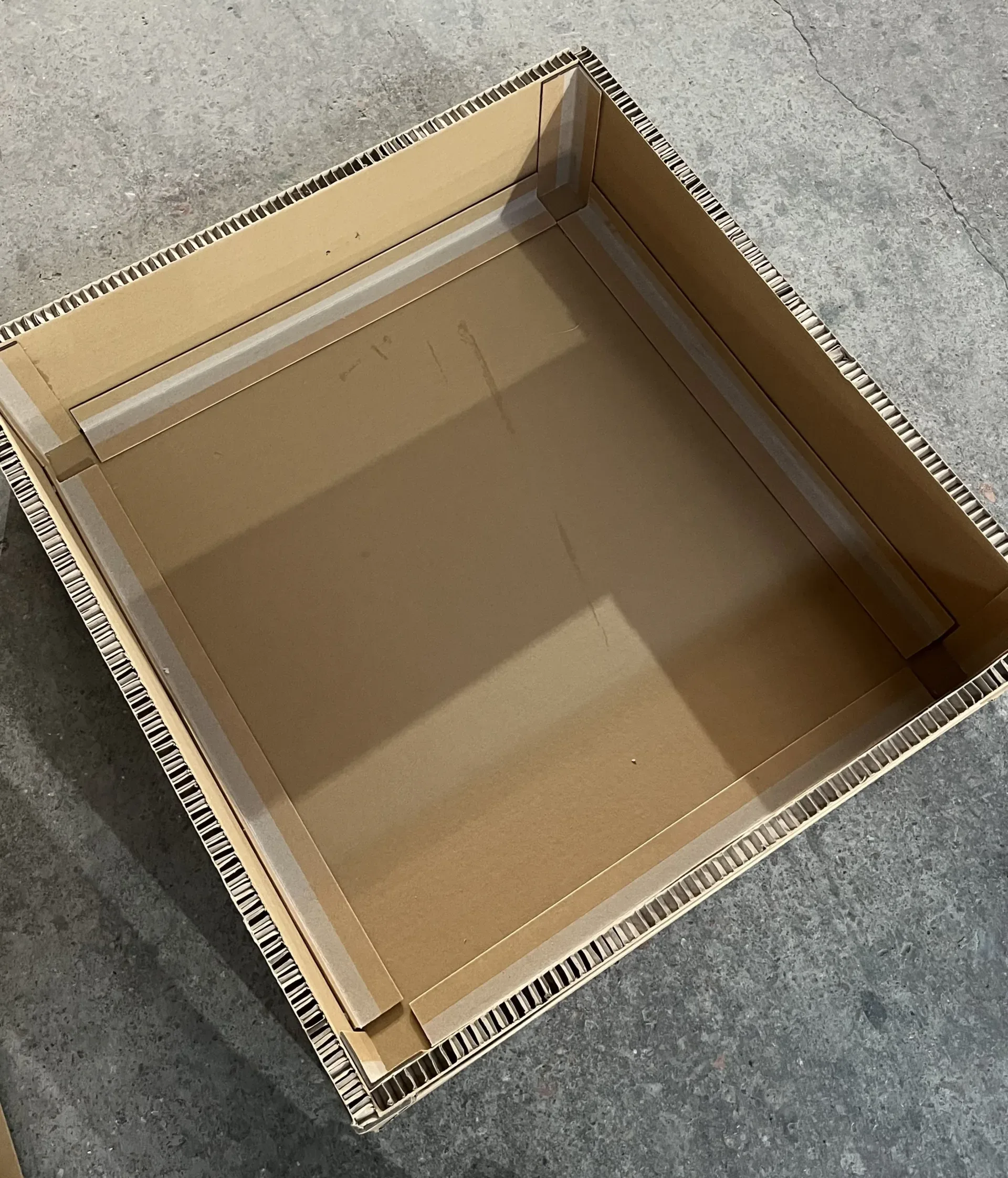
Why Does the Synergy Between Edge Protectors and Honeycomb Cardboard Create Superior Cargo Safety?
In professional packaging engineering, these two materials work in synergy to address different physical vulnerabilities of a unitized load. Edge protectors focus on the “Pillar Effect,” reinforcing the four vertical corners of a pallet which carry 60% to 80% of the total vertical load [3]. Simultaneously, honeycomb cardboard provides high-strength, lightweight surface protection. With an exceptional strength-to-weight ratio, honeycomb panels serve as high-performance bottom-cushioning layers or top-load distributors, ensuring that stacking pressure is not localized on fragile product surfaces. This combination effectively neutralizes both lateral shifting and vertical crushing forces.
Which Industrial Sectors Achieve the Highest Stability Using Hybrid Paper-Based Solutions?
1. Furniture, Home Decor & Modular Systems Furniture items, especially upholstered modular sofas or flat-packed cabinets, are exceptionally sensitive to both “edge-crushing” and surface indentation. By combining 5.0mm reinforced edge protectors with 20mm honeycomb buffer pads, manufacturers can create a fully rigid enclosure. The protectors prevent high-tension strapping from marking the upholstery, while the honeycomb panels provide a flat, stable base that prevents the furniture feet from puncturing the outer carton during high-pressure stacking.
2. Consumer Electronics & High-Precision White Goods High-value appliances must arrive at their destination without cosmetic dents or functional misalignment. In this sector, honeycomb cardboard is frequently used for internal buffering due to its superior shock absorption properties. When paired with crisp edge protectors, the packaging ensures that the “Pillar Effect” supports the weight of upper tiers in high-density warehouses, effectively preventing the localized buckling that frequently compromises lower-tier units during extended storage periods.
3. Heavy Industry & Construction Materials Sectors dealing with steel coils, industrial machinery, and heavy construction components require packaging that can withstand extreme compressive and lateral forces. Heavy-duty honeycomb pallets—reinforced with 10.0mm industrial-grade edge protectors—offer a fully recyclable alternative to traditional wooden crates. These high-density paper products provide significant impact resistance and surface protection for heavy items that would otherwise exceed the structural limits of standard corrugated materials.
4. Food & Beverage Logistics for Multi-Layer Loading Palletized loads of glass containers or aluminum cans are exceptionally heavy and prone to instability. In this context, honeycomb sheets are utilized as high-strength layer pads (dividers), while edge protectors serve as perimeter anchors. This combination ensures that vertical pressure is evenly distributed across the entire pallet structure, reducing the risk of catastrophic collapses during sea freight, where vessel motion can amplify the stresses on the bottom layer of the packaging by up to 20% to 30% [5].
How Does Material Integrity Impact the Performance of Industrial Packaging?
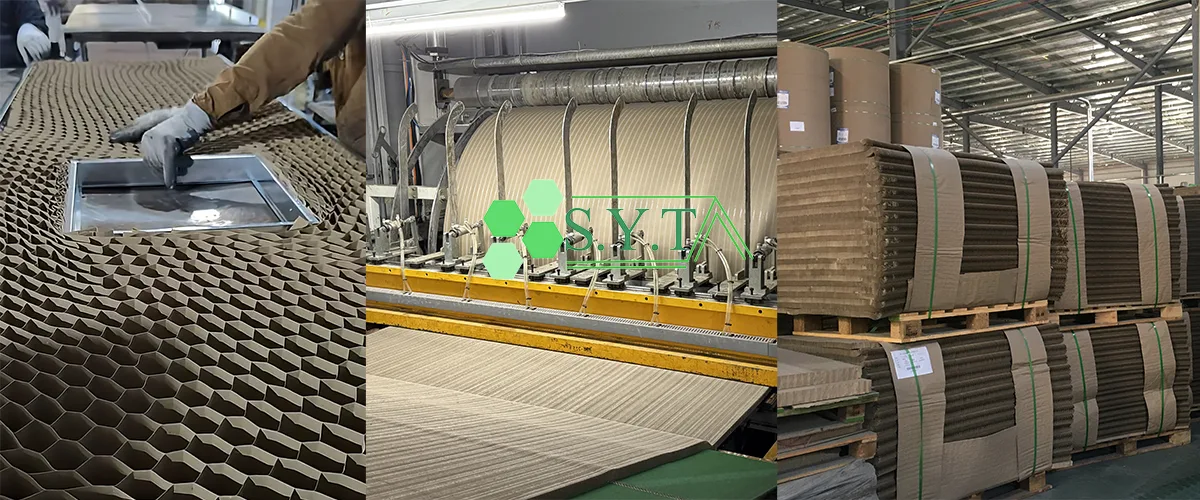
To ensure these materials perform under extreme stress, maintaining a core moisture level of 8% to 10% is essential. If the paper components become hygroscopic and absorb ambient moisture (reaching levels above 16%), the structural rigidity of the entire system can plummet by approximately 50% [1][2]. Utilizing starch-based adhesives ensures that these high-performance components remain fully compatible with standard paper recycling streams, supporting the environmental and sustainability goals of modern global brands.
Hybrid Specification Recommendation Table
Conclusion For manufacturers seeking to optimize their logistics, the integration of edgeboard protectors and honeycomb cardboard is a strategic investment. By focusing on engineered, paper-based solutions that meet International Biosecurity Standards, we provide the necessary structural support for demanding transit routes while maintaining an eco-friendly footprint.
References: [1] Absortech Group (2023). [2] Kellicutt & Landt (1951). [3] IEOM Society (2023). [4] Soroka (2009). [5] TAPPI T 804 Standards.