Introduction
Core material selection affects much more than the inside of a door, furniture panel, or packaging board. It influences weight, strength, material cost, processing efficiency, shipping cost, environmental compliance, and final product quality. A door that is too heavy may increase hardware and transport cost. A furniture panel with the wrong core may feel unstable. A packaging board with the wrong structure may fail during stacking or export shipping.
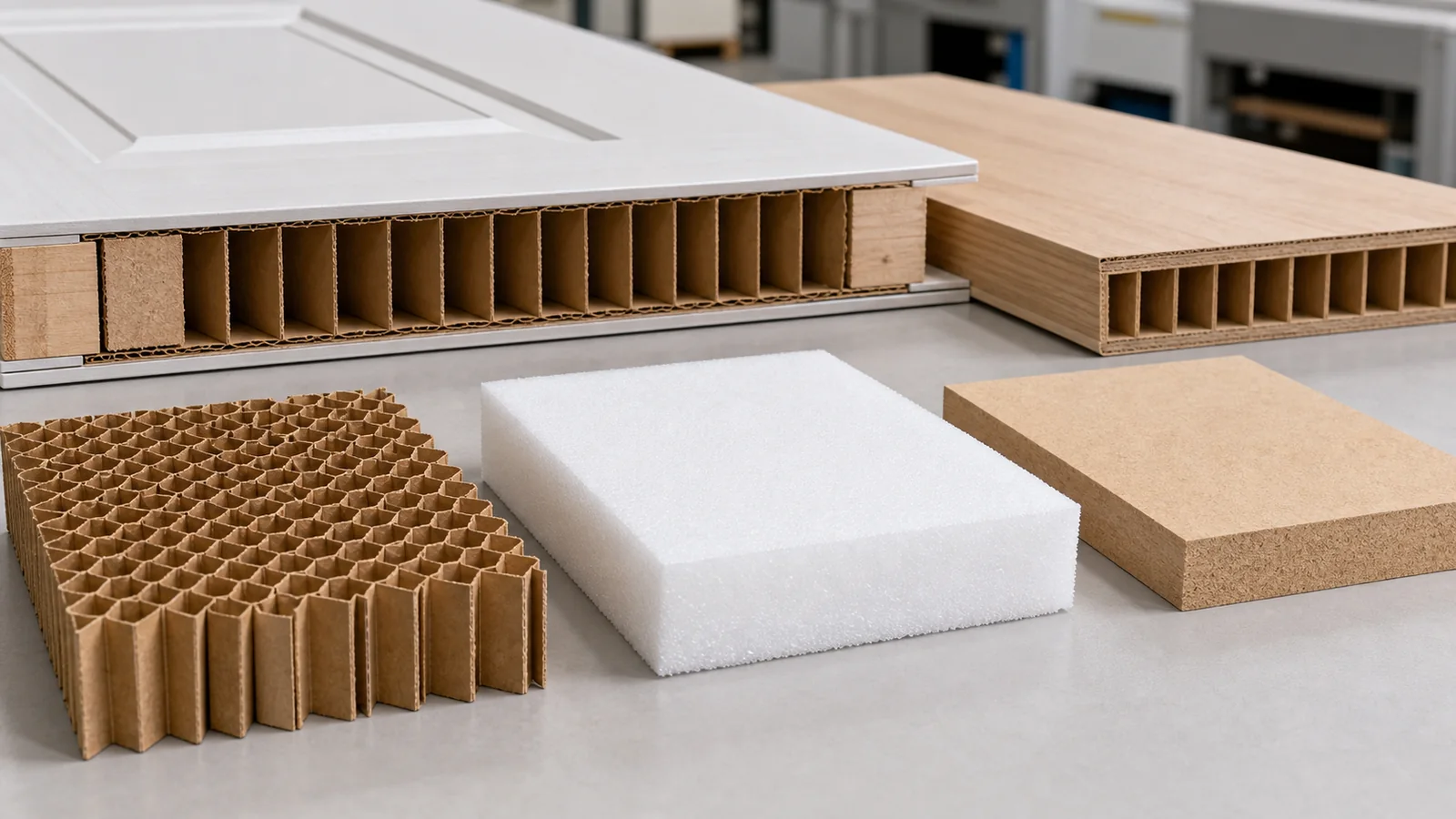
Common core and filling materials include honeycomb paper core, foam, wood strips, MDF, particle board, and solid board. Each material has advantages. Foam can provide flexible cushioning. Wood and MDF can provide high rigidity. Honeycomb paper core is often selected when buyers need a lightweight core material with structural support, lower weight, and recyclable paper-based construction.
What Is Honeycomb Paper Core?
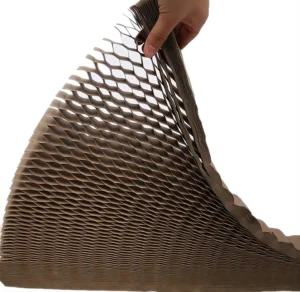
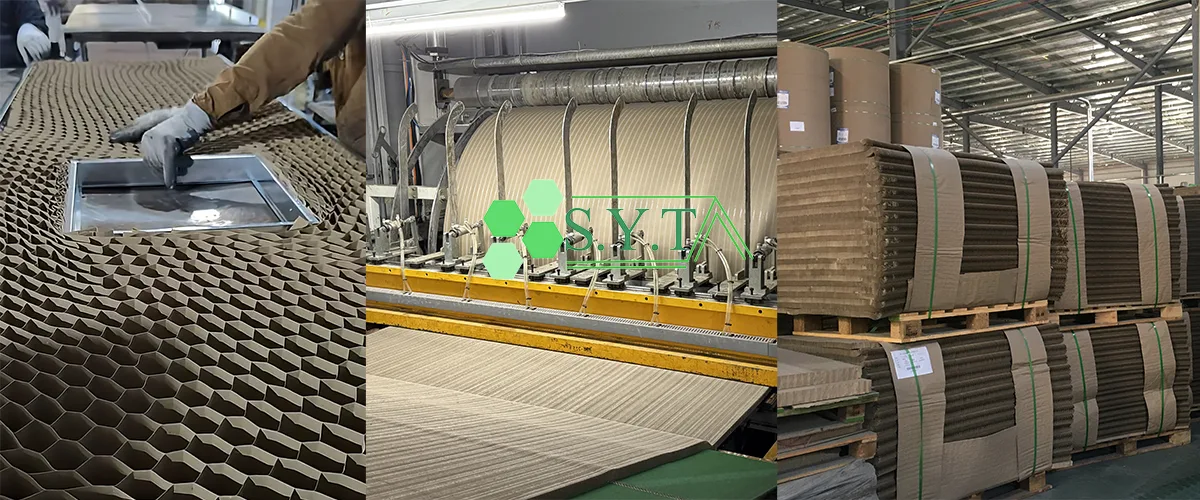
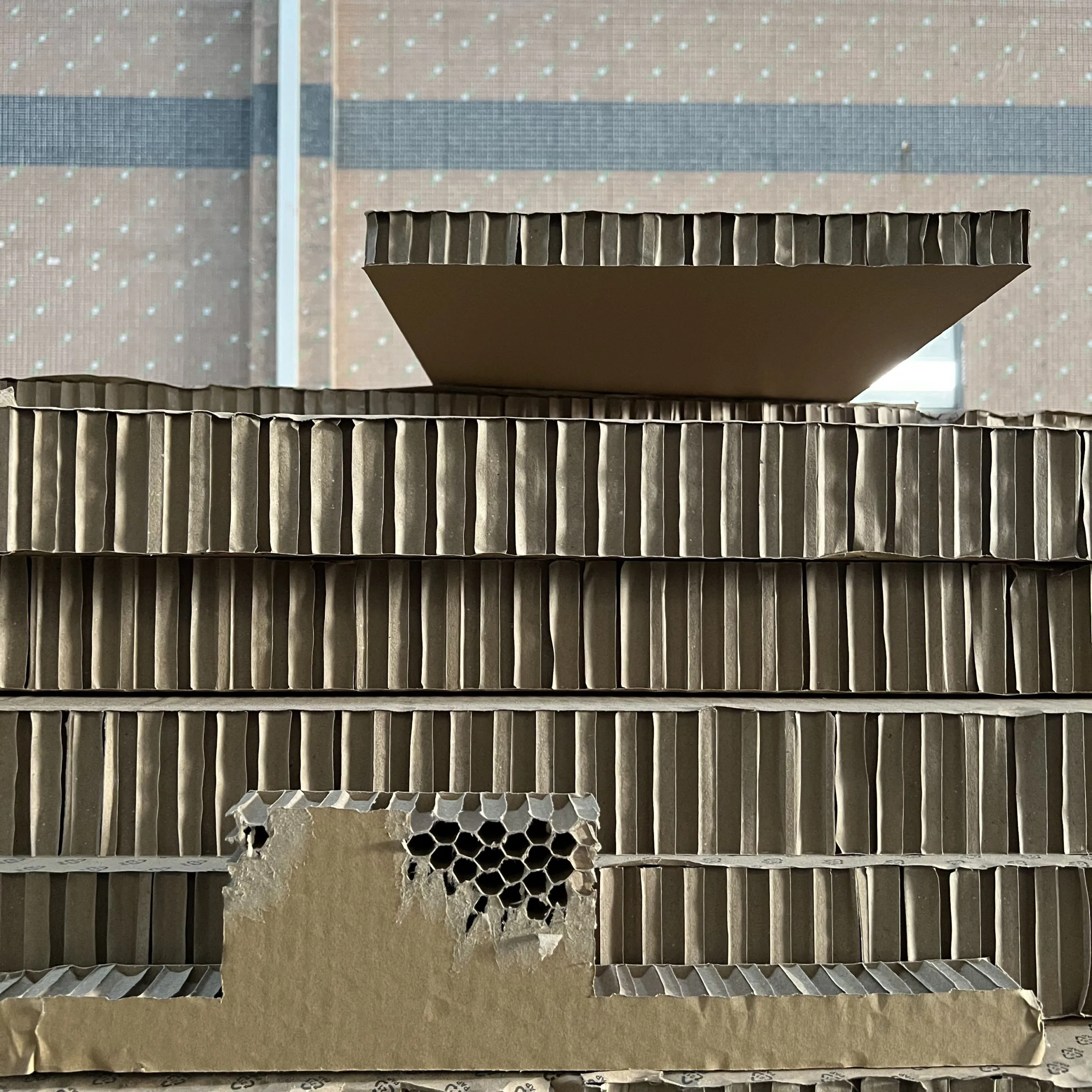
Honeycomb paper core is made from kraft paper or other paper grades bonded into a honeycomb cell structure. When expanded, the cells create a lightweight but supportive core. The structure is similar to many small vertical columns, allowing the material to distribute pressure while using less raw material than solid boards.
It can be used for door filling, furniture reinforcement, honeycomb cardboard production, protective packaging, and interior structural filling. Specifications can be customized by thickness, cell size, paper grammage, strip width, expanded length, compression strength, glue quality, and moisture or fire-rated requirements.
For procurement teams, this means honeycomb paper core should be evaluated as a functional component, not just a paper material. The right specification can improve production efficiency, reduce shipping weight, and help standardize quality across repeated door, furniture, and packaging orders.
Common Applications of Honeycomb Paper Core
- Wooden door filling and interior door core material
- Fire-rated door filling when matched with the required tested structure
- Steel door filling and non-load-bearing internal support
- Furniture panels, cabinets, wardrobes, and table tops
- Honeycomb cardboard production for pads, partitions, and boards
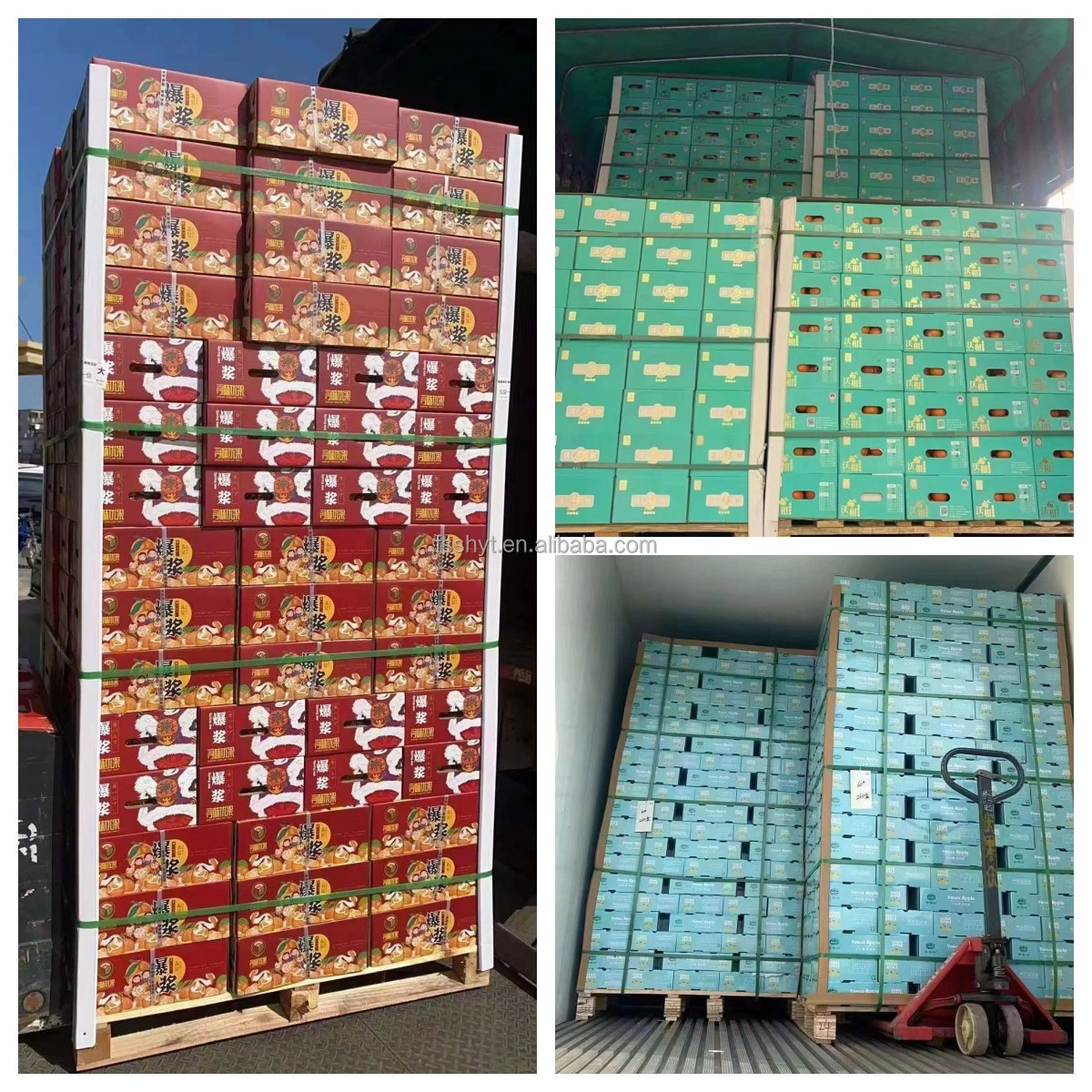
- Protective packaging, pallet protection, dividers, and liners
- Interior structural filling where lightweight support is needed
Honeycomb Paper Core vs Foam
| Factor | Honeycomb Paper Core | Foam | Best Choice |
|---|---|---|---|
| Weight | Very light for structural filling | Also light | Both can reduce weight |
| Structural support | Good support in sandwich panels | Varies by foam density | Honeycomb paper core for panels and doors |
| Cushioning performance | More structural than flexible | Good shock absorption | Foam for flexible cushioning |
| Sustainability | Paper-based and recyclable in many systems | Depends on foam type and local recycling | Honeycomb paper core for paper-based packaging goals |
| Cost | Competitive for large-area filling | Depends on density and material type | Case by case |
| Processing | Easy to expand, cut, and laminate | Easy to cut, may need special handling | Both are workable |
| Best application | Doors, furniture panels, honeycomb cardboard | Protective cushioning and irregular shapes | Depends on function |
The practical conclusion is simple: if the application needs flexible cushioning, foam may be suitable. If the application needs lightweight structural support for doors, furniture panels, boards, or paper-based packaging, honeycomb paper core is often the better fit.
Honeycomb Paper Core vs Wood
| Factor | Honeycomb Paper Core | Wood | Best Choice |
|---|---|---|---|
| Weight | Much lighter | Heavier | Honeycomb paper core for lightweight products |
| Material cost | Often lower for non-load-bearing filling | Higher and more variable | Honeycomb paper core for cost control |
| Processing difficulty | Easy to cut and laminate | Requires cutting, drying, and more tooling | Honeycomb paper core for mass production |
| Shipping cost | Lower due to reduced weight | Higher due to density | Honeycomb paper core for export volume |
| Structural strength | Good for sandwich filling | Better for true load-bearing structures | Wood for load-bearing parts |
| Sustainability | Paper-based and resource-efficient | Depends on sourcing and treatment | Both can be responsible if managed well |
| Application scenario | Door cores, furniture cores, packaging boards | Frames, rails, load-bearing parts | Use by structural requirement |
Wood remains a strong choice for true load-bearing structures, frames, and hardware fixing areas. For door cores, furniture core material, non-load-bearing filling, and packaging structures, honeycomb paper core can reduce weight and cost while still providing internal support.
Honeycomb Paper Core vs MDF or Solid Board
MDF and solid board offer uniform surfaces and high rigidity, but they are much heavier than honeycomb paper core. This matters in doors, large furniture panels, and export products where every kilogram affects handling, hinges, hardware, and container loading cost.
Honeycomb paper core is usually used inside a sandwich structure. The surface skins provide the visible finish and bending resistance, while the honeycomb core supports the internal space and reduces weight. This makes it suitable for large door panels, table tops, cabinet panels, and packaging boards that do not require a fully solid interior.
Why Honeycomb Paper Core Is Popular in Door Manufacturing
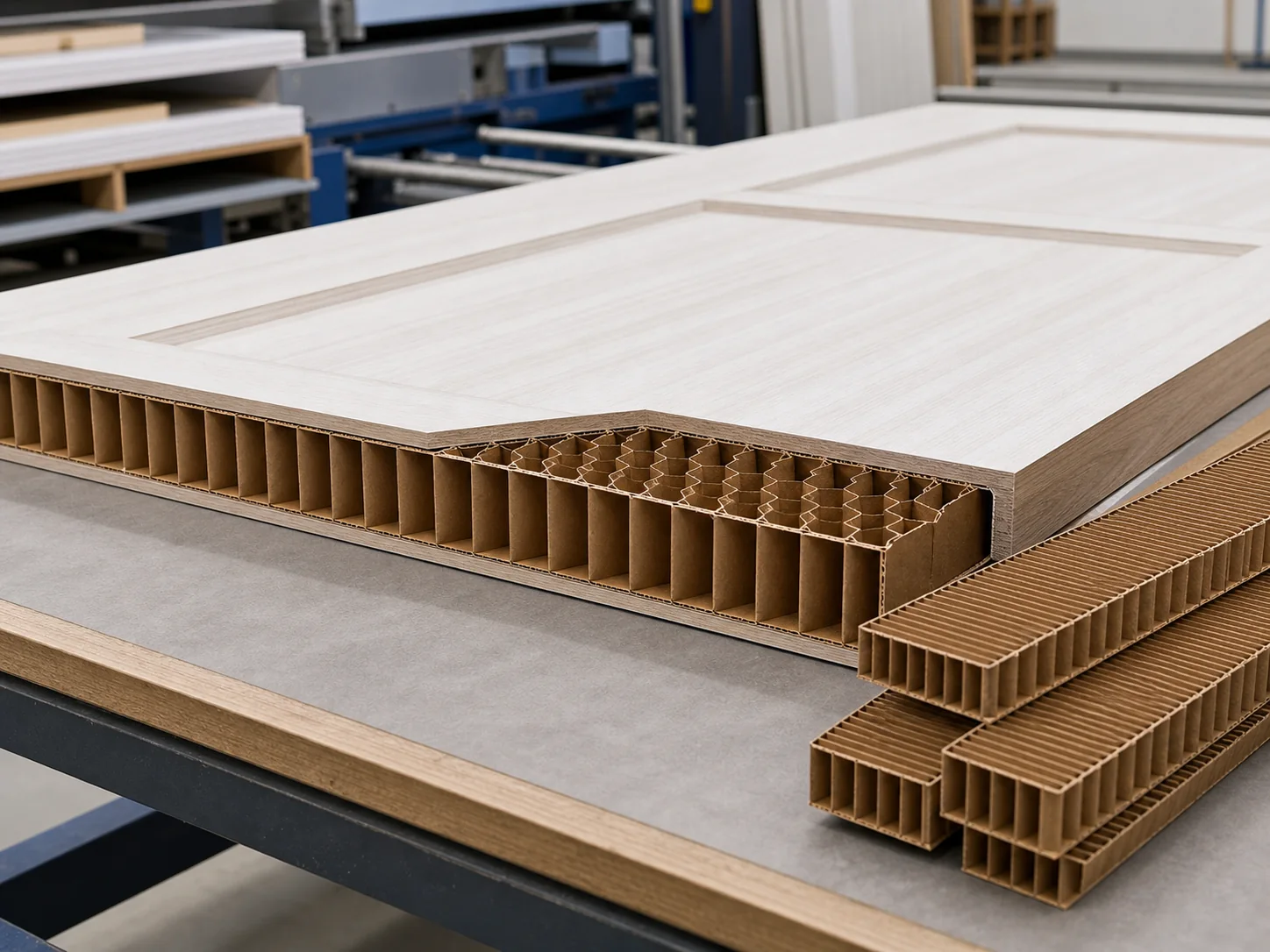
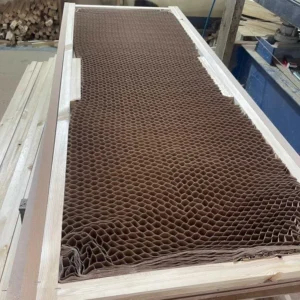
Door manufacturers use honeycomb paper core because it reduces door weight, lowers material cost, and provides internal support between door skins. A lighter door can reduce handling effort, hardware stress, and export shipping cost. The material is also convenient for batch production because it can be supplied in customized thickness, cell size, strip width, and expanded length.
Honeycomb paper core can be used in wooden doors, steel doors, and some fire-rated door structures when the complete door system is designed and tested for that purpose. Buyers should not choose the core alone for fire-rated applications; they should confirm the full door construction, adhesive, facing material, and certification requirements.
Why Honeycomb Paper Core Is Useful for Furniture and Packaging
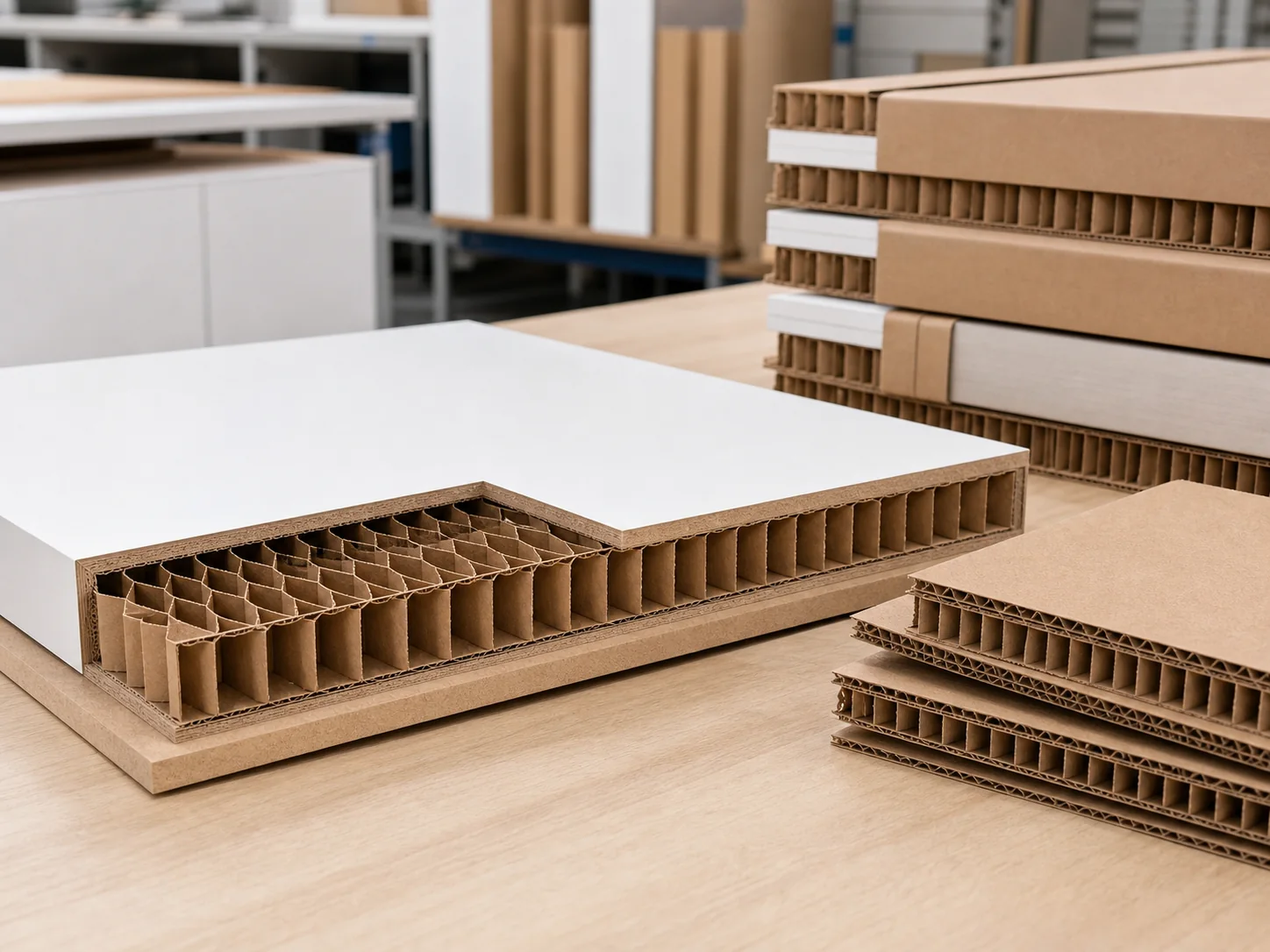
In furniture, honeycomb core for furniture can be used in table tops, cabinets, wardrobes, shelves, and other panel structures. It reduces overall weight and can make large panels easier to move, assemble, and ship. It is also easy to cut and process when matched with the correct panel design.
In packaging, honeycomb paper core is used to produce honeycomb cardboard, pads, dividers, liners, and protective boards. It supports the trend toward recyclable paper packaging and can replace some foam or wood-based packaging when the goal is lightweight support rather than soft cushioning or heavy load-bearing.
How to Choose the Right Honeycomb Paper Core Specification
Buyers should not compare only the unit price. The correct specification depends on the final product structure and performance requirement.
- Thickness: Match the core to door, furniture, panel, or packaging board thickness.
- Cell size: Smaller cells usually provide more uniform support; larger cells may reduce material use.
- Paper grammage: Higher grammage can improve strength but also affects cost.
- Strip width and length: These affect expansion, coverage, packing, and production efficiency.
- Glue quality: Bonding consistency affects expansion and compression performance.
- Compression strength: Important for doors, panels, and packaging boards under pressure.
- Moisture resistance: Consider storage humidity, sea freight, and destination climate.
- Fire-rated requirements: Confirm the full tested system, not only the core material.
- Application type: Door, furniture, packaging, and panel applications may need different specifications.
- Quantity and packaging method: Confirm pallet packing, compression packing, container loading, and sample needs.
Sample testing is strongly recommended before large-volume orders.
Buying Checklist for Overseas Buyers
- Application: door, furniture, packaging, or panel
- Required thickness, cell size, paper grammage, and product size
- Order quantity and sample requirement
- Fire rating requirement, if any
- Destination country and storage conditions
- Loading and packaging requirements
- Current material being used and current problems
Common Mistakes When Buying Honeycomb Paper Core
- Only comparing unit price without checking strength and yield.
- Ignoring paper grammage and glue quality.
- Choosing the wrong cell size for the panel structure.
- Not checking compression strength for the final product.
- Ignoring moisture conditions during sea freight or storage.
- Not matching the core with the door, furniture, or packaging structure.
For high-volume purchasing, buyers should compare yield, loading efficiency, defect rate, after-sales risk, and supplier consistency, not only the material quotation. This gives a more accurate view of total cost.
Conclusion
If a buyer needs flexible cushioning, foam may be the right choice. If the structure must carry heavy loads, wood or solid board may still be necessary. But when the goal is lightweight construction, cost control, recyclable material use, and internal support for doors, furniture, and packaging, honeycomb paper core is worth serious consideration.
SYTPACK supplies customized honeycomb paper core, honeycomb cardboard, and paper packaging solutions for door manufacturers, furniture factories, packaging producers, and industrial buyers. The best purchasing decision starts with the application, required thickness, cell size, strength target, and final product structure.
FAQ
What is honeycomb paper core used for?
It is used for door filling, furniture panels, honeycomb cardboard production, protective packaging, and lightweight interior structural filling.
Is honeycomb paper core strong enough for doors?
Yes, it can provide useful internal support in sandwich door structures when the correct thickness, cell size, paper grammage, and adhesive are selected.
Is honeycomb paper core better than foam?
It depends on the function. Foam is better for flexible cushioning, while honeycomb paper core is better for lightweight structural support in doors, furniture, and panels.
Can honeycomb paper core replace wood?
It can replace wood in some non-load-bearing filling and panel applications, but wood is still better for true load-bearing structures and fixing points.
How do I choose the right honeycomb paper core specification?
Confirm the application, thickness, cell size, paper grammage, compression strength, moisture conditions, fire-rated needs, quantity, and packaging method.