4 Key Specs of Reliable Paper Angle Bar: Full Technical Details?
Before placing large bulk export orders, purchasing managers and factory buyers must fully clarify standard sizes, density grades and core technical indicators of paper angle bar. Skipping this step easily leads to mismatched packaging products, insufficient cargo protection, or unnecessary cost waste caused by over-specified heavy-duty models. This detailed guide sorts out all mainstream industrial specifications, full thickness ranges, customizable special shapes and vital performance parameters, offering complete, straightforward procurement reference for global packaging traders, furniture factories, electronics manufacturers and cross-border logistics suppliers. Mastering these technical details allows buyers to quickly lock in the most cost-effective paper angle bar solutions without repeated sample testing and communication delays with manufacturers.
1. Standard L-Shape Main Specifications
Common Side Width Sizes
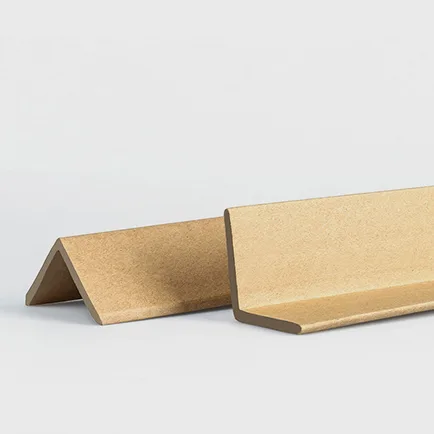
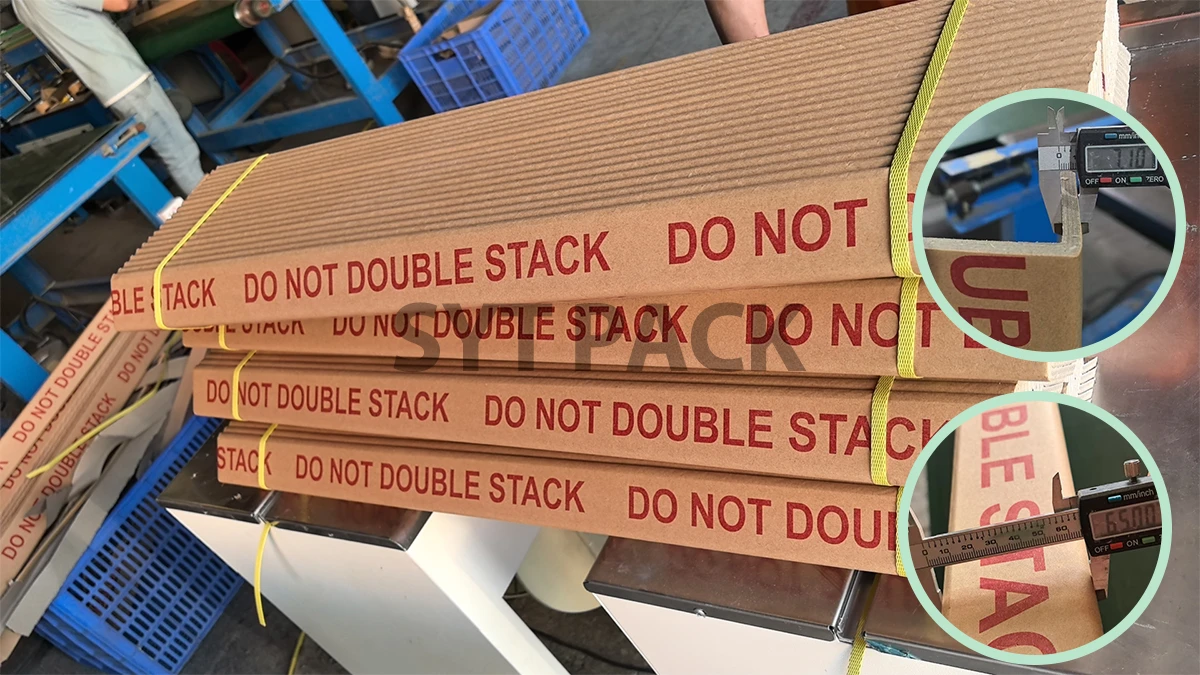
Mass-produced industrial standard sizes of L-shaped paper angle bar cover 30×30mm, 40×40mm, 50×50mm, 60×60mm and 80×80mm, covering nearly all light to heavy export packaging scenarios. The smallest 30×30mm size matches lightweight apparel, small cosmetic boxes and tiny electronic component cartons, where only mild anti-collision support is needed. Mid-range 40×40mm and 50×50mm are the most widely universal options for daily hardware, textile, fresh fruit and household product shipments, balancing protection ability and raw material cost. Larger 60×60mm and 80×80mm widths are specially developed for heavy solid wood panels, large furniture frames and multi-layer stacked pallet loads, which dominate furniture manufacturing export lines worldwide.
Standard Thickness Range
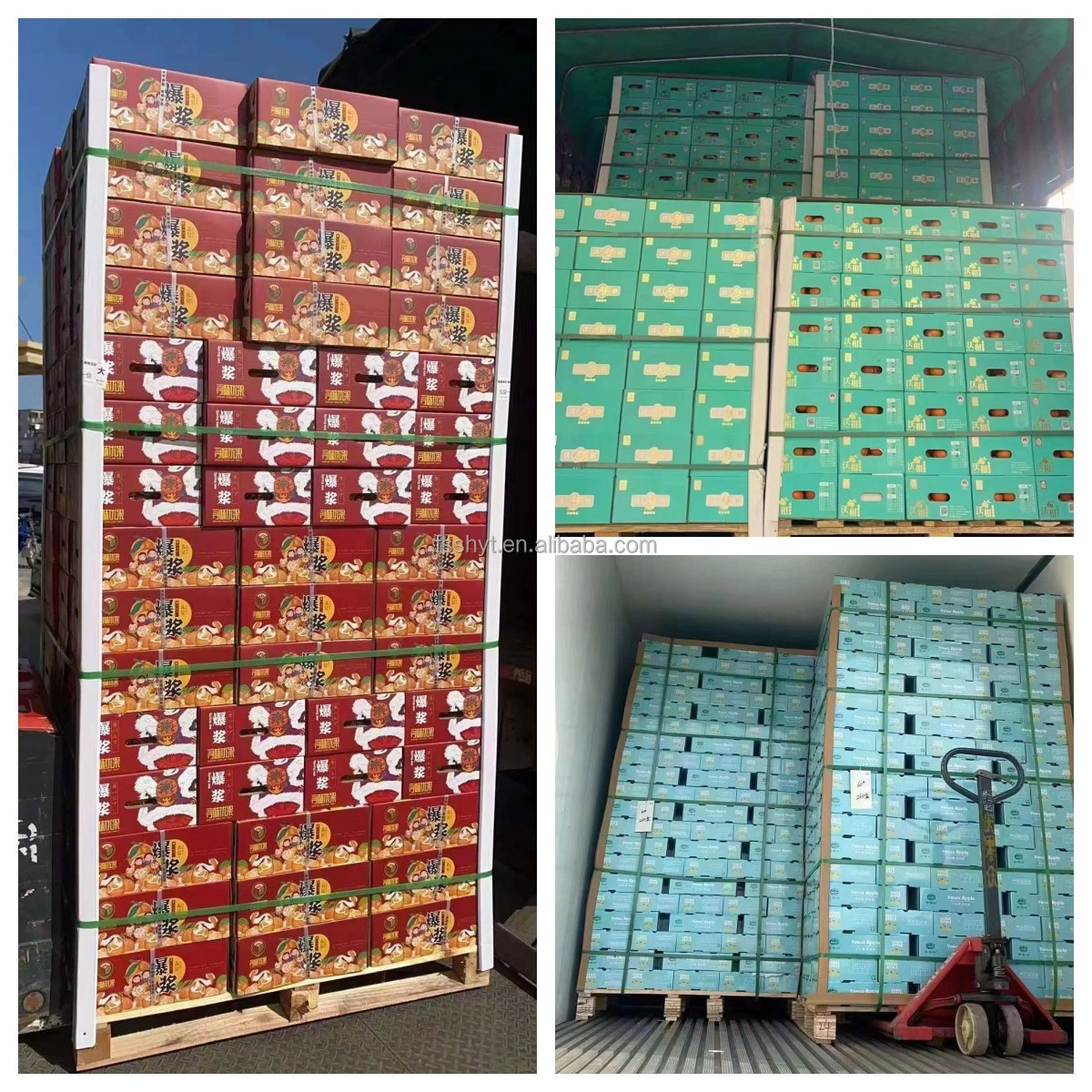
The full thickness spectrum of paper angle bar runs from 2mm to 8mm, with clear scenario divisions for each tier. Thin 2mm–3mm variants are lightweight and low-cost, perfectly fitting small, single-layer lightweight cartons that only face short-distance land transport without high stacking pressure. Medium 4mm–5mm thickness is the mainstream choice for regular sea and air export batches, providing stable compression resistance for most medium-weight finished goods. Thick 6mm–8mm heavy-duty builds deliver extreme rigid support, exclusively designed for high-stack full-container sea export loads, where dozens of pallets are piled together inside humid shipping containers for weeks-long ocean voyages.
2. Density and Grade Classification of Paper Angle Bar
Low-Density Grade
Low-density paper angle bar adopts fewer layers of kraft paper and mild plant adhesive, featuring lightweight texture and budget-friendly unit prices. It works well for short-distance domestic logistics and lightweight daily commodity packing with low stacking demands. This economical grade is highly recommended for buyers handling small-batch light cargo to cut recurring packaging expenditure without over-investing in redundant heavy-duty protection performance. It cannot bear long-term heavy vertical pressure, so it is not suitable for cross-ocean container shipping or heavy pallet stacking.
Medium-Density Grade
This grade strikes a perfect balance between structural hardness and procurement cost, making it the top universal choice for over 70% of general export carton shipments across machinery parts, textile, fresh fruit, home appliance and handicraft trading fields. Its multi-layer even lamination provides steady anti-impact and anti-deformation performance, capable of coping with both sea freight humidity and minor forklift collisions during port transshipment. For most medium-weight export orders, medium-density paper angle bar is the most cost-efficient selection without obvious performance flaws.
High-Density Grade
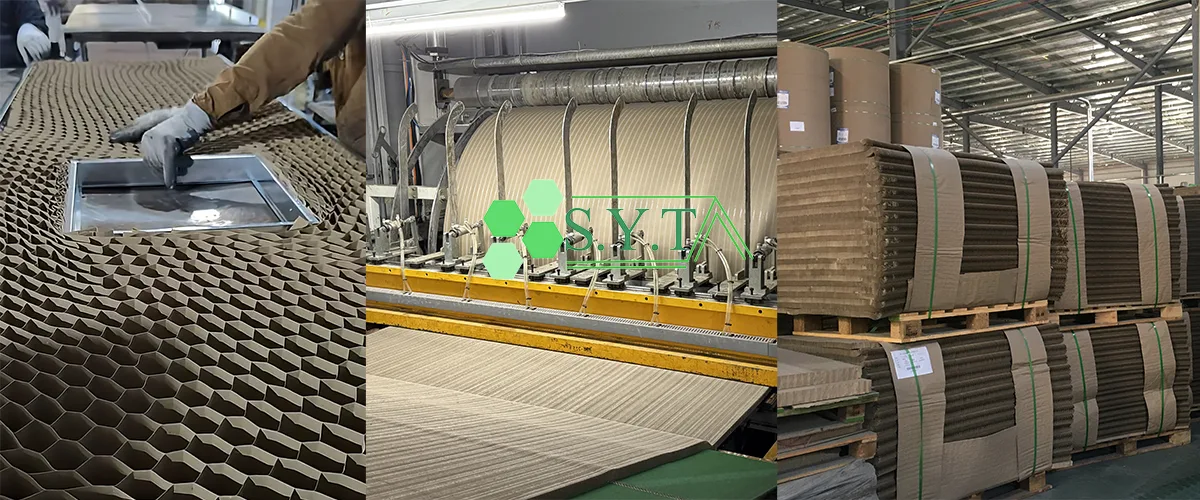
High-density paper angle bar is constructed with compressed multi-layer thick kraft paper and high-viscosity waterproof plant glue, delivering maximum compression strength for harsh long-distance shipping conditions. It is engineered exclusively for heavy machinery components, solid lumber panels and tall stacked pallet batches bound for long-container ocean transit. Its ultra-rigid build far outperforms lightweight foam cushioning; even under heavy upper-layer cargo pressure, it will not bend, collapse or delaminate, fully safeguarding high-value heavy goods from corner damage throughout the whole supply chain journey.
3. Special Custom Shapes for Irregular Cargo
Beyond the standard right-angle L profiles, qualified packaging manufacturers can produce customized U-type, flat strip and curved paper angle bar to fit irregular-shaped goods with non-right-angle edges that cannot match standard L-style sizes. U-shaped variants wrap around full thin board edges for aluminum profiles and glass panels, while flat strip types serve flat surface edge reinforcement for thin metal sheets. Curved custom guards are tailored for circular, oval and arc-shaped product edges like tubular metal parts and curved furniture frames. Custom shapes support flexible width, thickness and length adjustments to perfectly attach to unique product outlines, eliminating the risk of loose fitting and incomplete corner coverage during packaging.
4. Key Technical Indicators to Evaluate Paper Angle Bar
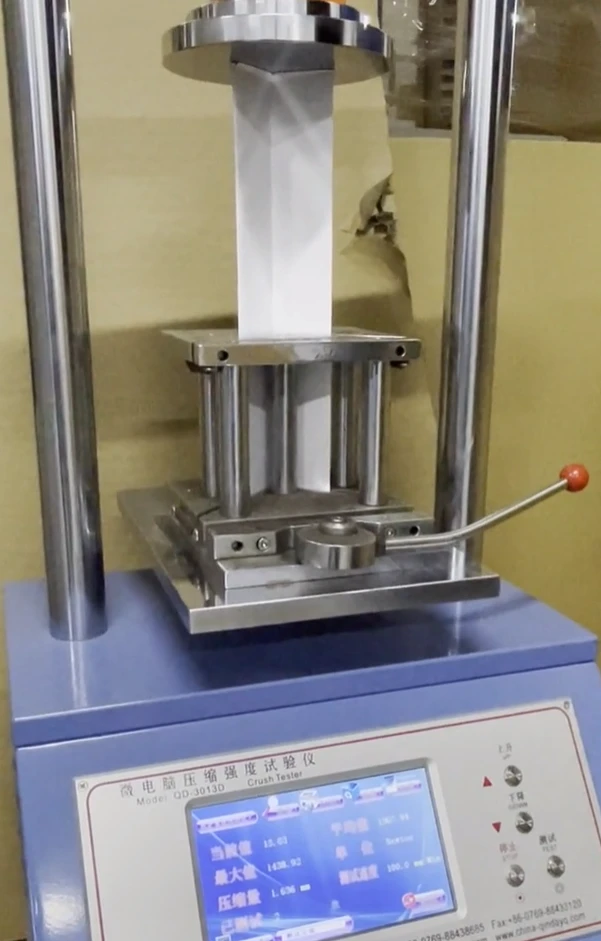
Four critical performance metrics determine the overall protective capacity of paper angle bar: compression strength, bending toughness, bonding stability and moisture resistance, all of which directly influence how well the product delivers reliable shipping and stacking protection during global transit. Compression strength reflects vertical load-bearing capacity for pallet stacking; bending toughness judges anti-crack performance under side impact from forklifts and cargo collision. Stable uniform lamination bonding prevents layer separation in humid environments, while qualified moisture resistance avoids paper softening inside salty, damp sea containers. Before confirming formal orders, buyers should ask suppliers to provide test reports of these four core indicators to guarantee consistent product quality for long-term export cooperation.