Introduction
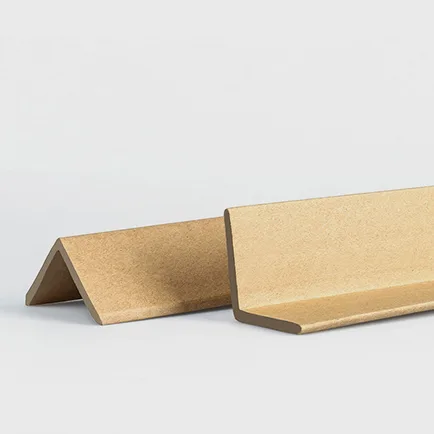
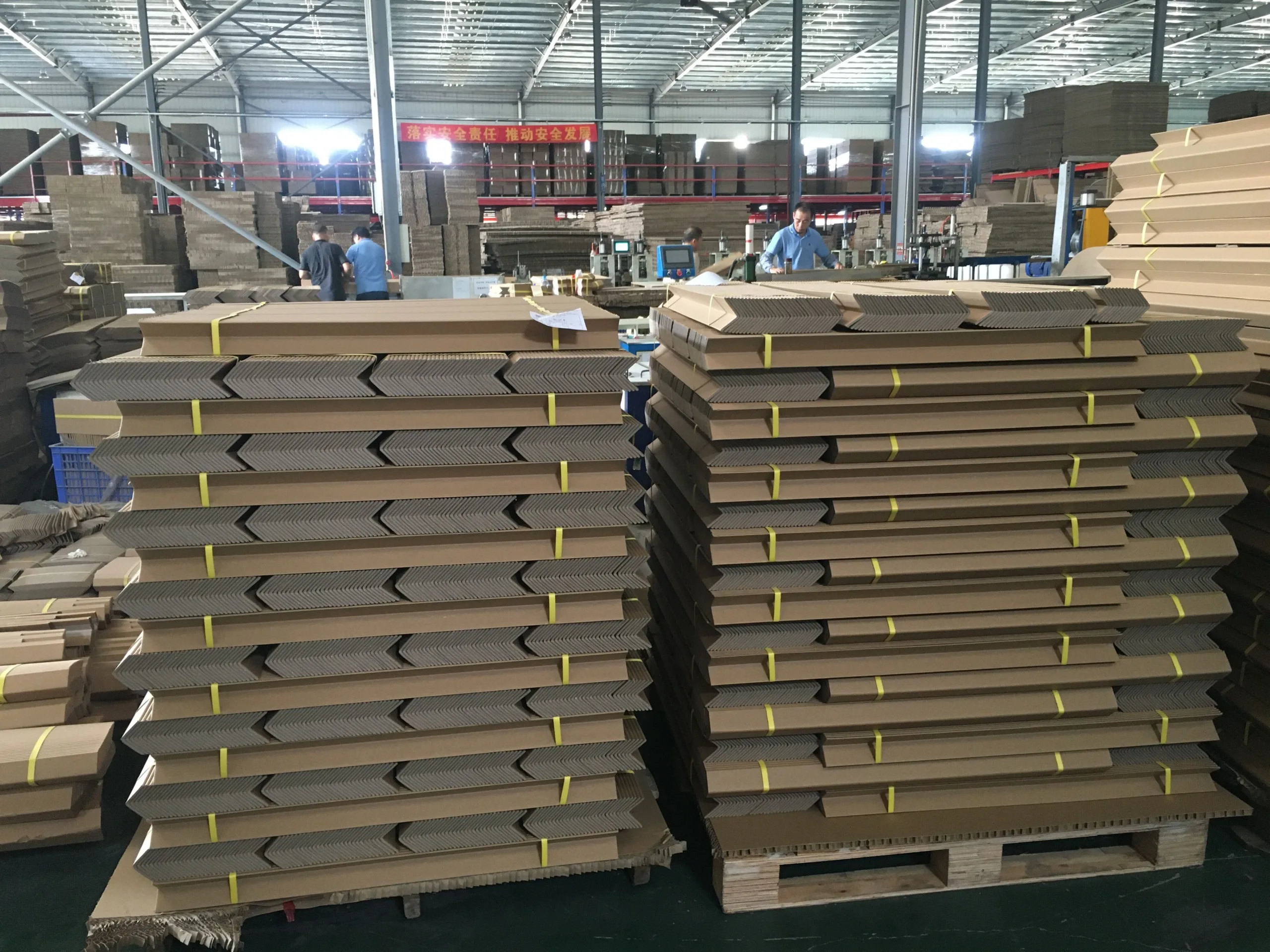
Many manufacturers invest in high-quality packaging only to have its performance compromised by poor storage conditions in their own warehouses. Protective corner edges are precision-engineered components made from hygroscopic fibers, meaning they naturally absorb moisture from the surrounding environment. If stored incorrectly, even the strongest industrial-grade protectors can lose a significant portion of their load-bearing capacity before they are ever used. Implementing a proper warehouse storage protocol is essential for preserving the structural integrity of your packaging assets.
How Can Proper Warehouse Storage Preserve the Structural Integrity of Your Protectors?
The primary enemy of paperboard is humidity. According to the USDA Forest Products Laboratory, there is a direct relationship between ambient relative humidity and the Equilibrium Moisture Content (EMC) of paper [1]. If your warehouse has a humidity level above 65%, your protectors will begin to absorb moisture. Data shows that a rise in board moisture from a stable 8% to 16% can result in a 50% loss in structural rigidity [2]. To maintain the “Pillar Effect”—which allows the protector to carry up to 45% to 60% of vertical weight—it is vital to store them in a dry, ventilated environment, ideally off the ground on a pallet [3].
Why is “First-In, First-Out” (FIFO) Vital for Paper-Based Products?
Paper components age, especially when exposed to fluctuating warehouse temperatures. Over time, the internal fibers can experience “creep” even without a heavy load, and the adhesives may become less effective if stored for an extended period in poor conditions. By implementing a FIFO (First-In, First-Out) inventory system, you ensure that the oldest stock is used first. This prevents individual units from sitting in the warehouse for months, where they could potentially absorb moisture or become contaminated by dust and pests, which would impact their performance during the 85%-95% humidity of a sea voyage [4].
What Are the “Red Flags” of Poor Storage Conditions?
Warehouse managers should be trained to identify signs that the protective corner edges have been compromised. A primary “red flag” is delamination, where the layers of paper begin to peel at the edges; this usually indicates that the starch-based adhesive has been affected by high humidity. Another sign is warping or bowing, which suggests uneven moisture absorption. If the material feels soft or “spongy” to the touch, it is a clear indicator that the moisture content has exceeded the 8%-10% export grade standard and the material may fail under the pressure of a multi-ton pallet [5].
How Can Protective Wrapping Extend the Shelf-Life of Your Inventory?
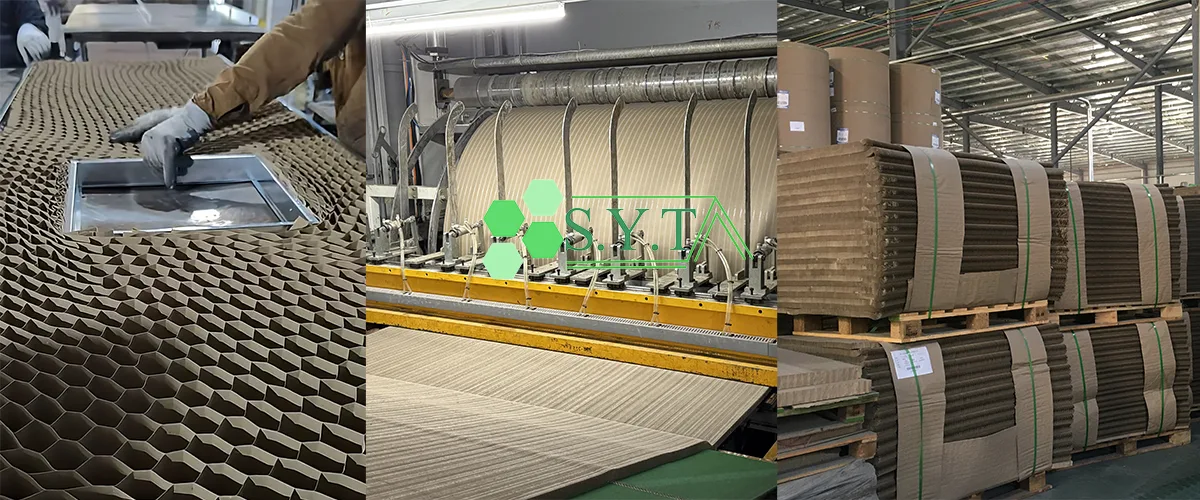
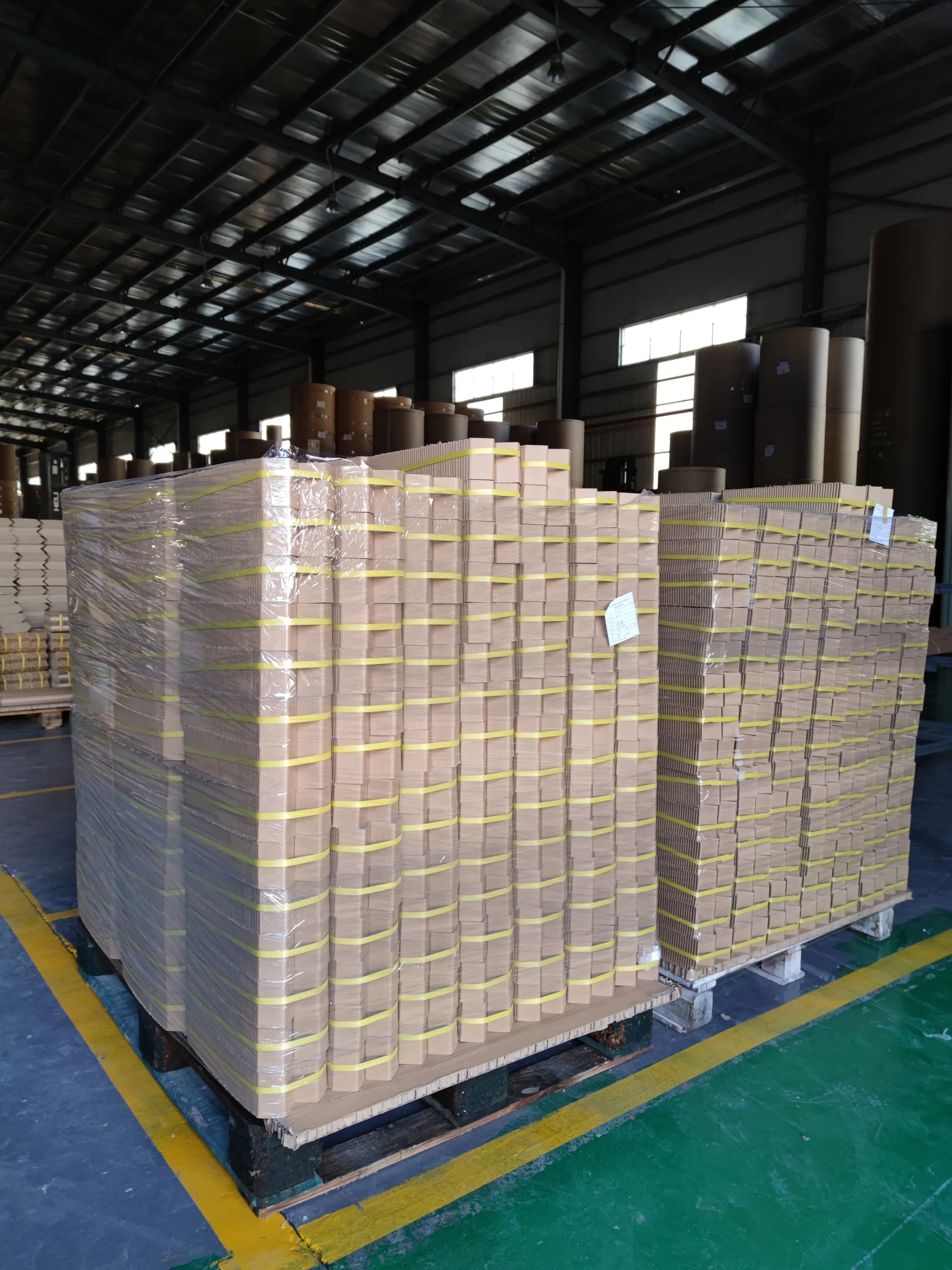
One of the most effective ways to preserve your stock is to keep the original factory wrapping intact until the moment of use. At our facility, we utilize multi-layer stretch film and PE moisture barriers to seal each pallet. This creates a localized micro-climate that protects the protectors from ambient warehouse humidity. We recommend only opening the number of bundles needed for the current production run. This simple practice ensures that every protector you place on a customer’s pallet is as dry and rigid as the day it left our production line.
Warehouse Storage Best Practices
Conclusion
Your packaging is a strategic asset, and its performance depends on how it is handled before it ever leaves your factory. By maintaining a clean, dry, and organized storage environment, you ensure that your protective corner edges are ready to provide the professional-grade protection your cargo requires. For more tips on optimizing your packaging life-cycle, contact our technical team today.
References: [1] USDA Forest Products Laboratory. FPL-GTR-190. [2] Kellicutt & Landt (1951). [3] Soroka, W. (2009). [4] Hapag-Lloyd. Container Packing Guide. [5] TAPPI Standards. T 804 Compression Testing.