Pallet Corner Guard Sourcing: 5 Critical Red Flags to Monitor
Introduction
Sourcing reliable packaging components is a prerequisite for a stable international supply chain. However, the quality of pallet corner guard can vary significantly between manufacturers. For global procurement managers, identifying subtle indicators of poor quality—referred to as “red flags”—is essential to prevent catastrophic pallet collapses and expensive cargo claims. Understanding the technical specifications behind these components is the first step toward a successful logistics strategy.
Why is Inconsistent Moisture Content a Significant Risk Factor?
The most critical red flag is a moisture level exceeding the industry standard of 8% to 10%. Research from the USDA Forest Products Laboratory indicates that as the moisture content of paperboard increases from 8% to 16%, its structural rigidity can decrease by 50% [1]. If a pallet corner guard feels “soft” or damp upon arrival at your facility, it has likely already lost half of its load-bearing capacity. This high moisture content often acts as a precursor to mold growth, which can trigger biosecurity rejections in highly regulated markets.
Does the Adhesive Choice Impact Both Strength and Recyclability?
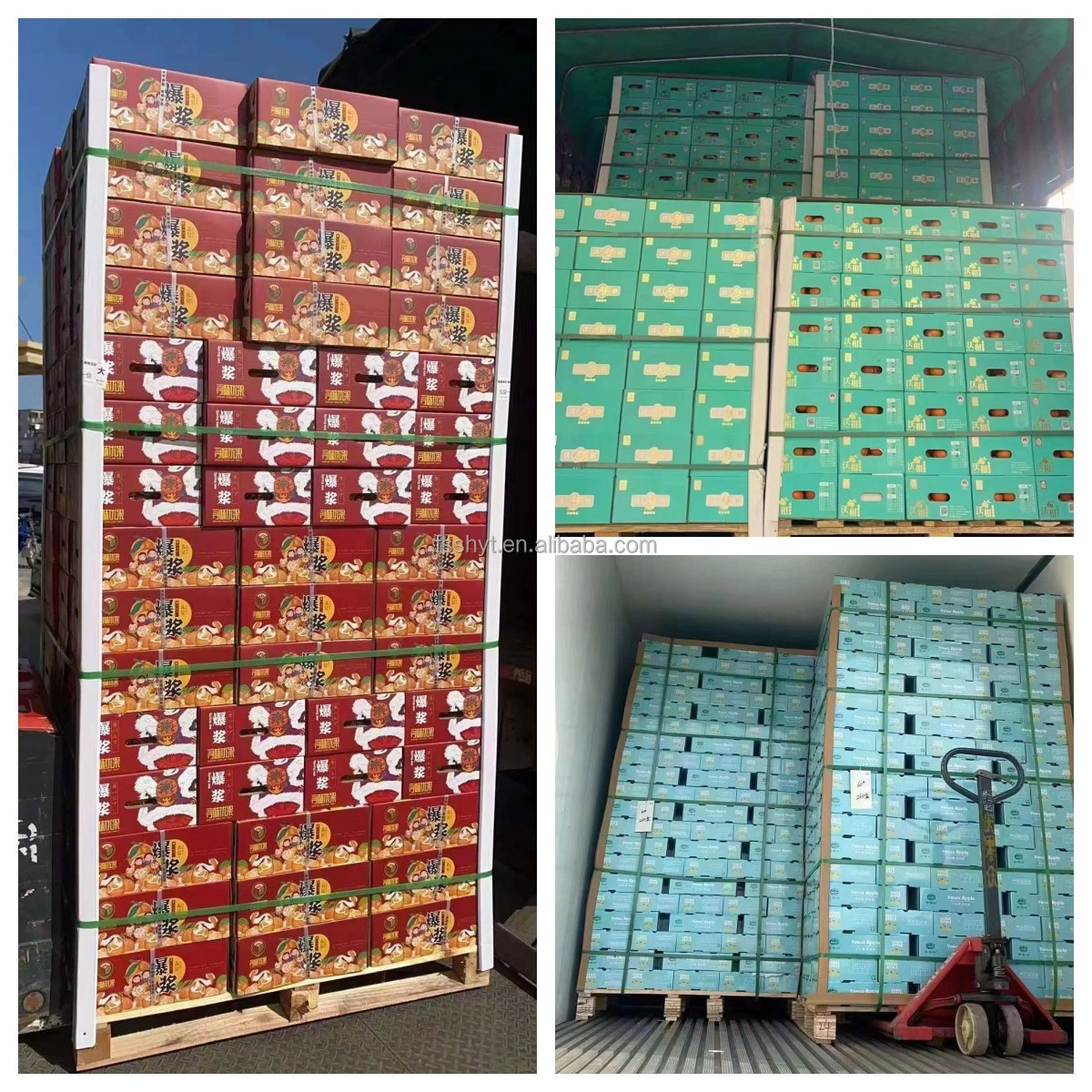
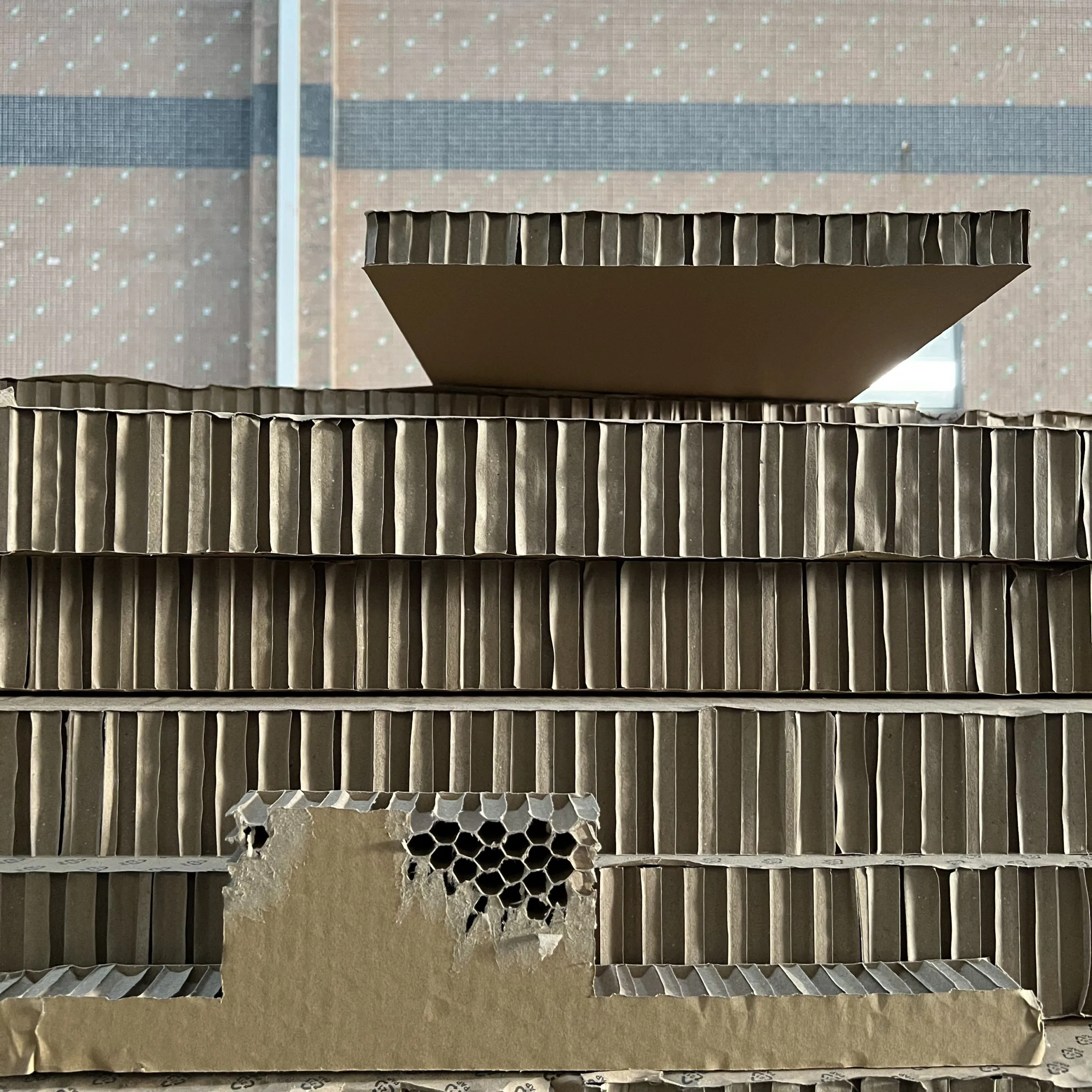
A second red flag is the use of synthetic, non-water-soluble glues. Professional manufacturers utilize starch-based adhesives because they ensure the protector remains a single, cohesive unit under pressure while remaining fully compatible with paper recycling streams. If you observe delamination—where the individual layers of paper begin to peel apart—this indicates poor adhesive quality or inadequate drying. Such failures can lead to a total loss of the “Pillar Effect,” where the protector can no longer carry the 45%-60% of vertical weight it is designed to support [2].
How Can Inconsistent Caliper and Wing Width Compromise Your Pallet?
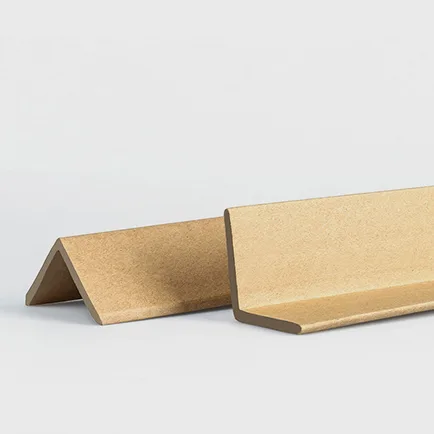
A third red flag is a lack of dimensional precision. In packaging engineering, even a 0.5mm deviation in thickness (caliper) can significantly impact the Edge Crush Test (ECT) performance. If the wing widths are uneven, the pallet corner guard will not sit flush against the carton corners. This misalignment prevents the vertical load from being distributed evenly across the corner, which carries 60% to 80% of the total weight [3]. This localized stress often leads to “edge-crushing” during the dynamic vibration of sea transit.
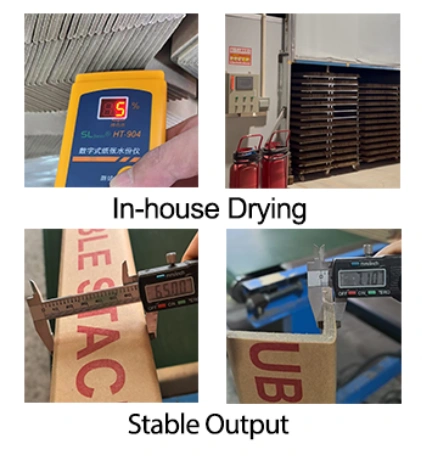
At our facility, we maintain a strict “guaranteed dimensions” policy—every protector is verified for exact wing width, thickness, and length as specified in the order. Prior to each shipment, our QC team conducts a full dimensional audit using digital calipers, ensuring that every unit leaving our production line meets the tolerance standard of ±0.2mm in thickness and ±2mm in width. This level of precision ensures that pallet corner guard sit perfectly flush against the carton corners, activating the full load-distribution capacity your cargo depends on.
Why Should a Lack of “Dual-Drying” Documentation Be a Concern?
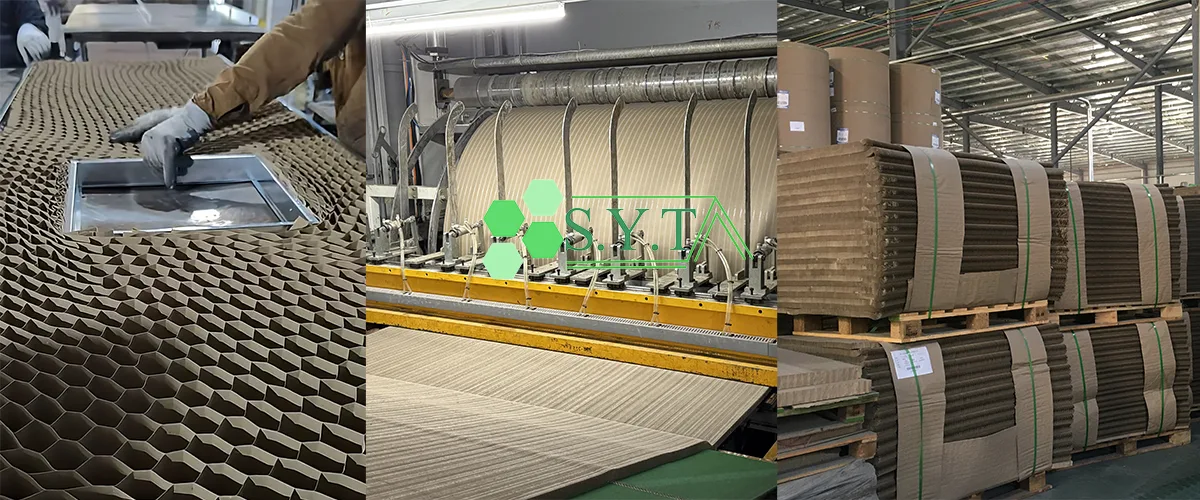
The fourth red flag is a lack of transparency regarding the manufacturing process, specifically the drying cycle. High-quality pallet corner guards require a dual-drying process to remove residual moisture from the inner layers of the core board. Without this, the material may appear dry on the surface but remain “hygroscopic” internally, leading to a phenomenon known as “container rain” damage during transoceanic transit [4].
Our factory operates a dedicated drying facility to ensure every protector meets European export standards. The first drying cycle takes place immediately after production, removing the majority of internal moisture from the freshly formed core board. The second drying cycle is conducted just before final packing, eliminating any ambient moisture the material may have reabsorbed during storage. This rigorous two-stage process enables us to consistently achieve a core moisture content below 8%—a threshold that exceeds the standard 8%-10% export grade and provides an extra safety margin against the 85%-95% humidity conditions commonly found in maritime containers.
Are You Overlooking the Environmental and Biosecurity Compliance?
The final red flag is the absence of material certifications, such as FSC (Forest Stewardship Council). In modern international trade, buyers are increasingly responsible for the environmental footprint of their packaging. Protectors that lack clear documentation of their raw material source or their compliance with international biosecurity standards represent a significant regulatory risk for the importing brand.
Factory Verification Checklist
Conclusion
By understanding these five critical red flags, procurement managers can make informed sourcing decisions and avoid the hidden costs of substandard packaging. At our facility, we have built our entire production workflow around eliminating these risks—from dual-drying technology to pre-shipment dimensional verification—so that every protector arriving at your warehouse is ready to perform in the most demanding export environments.
References: [1] Kellicutt & Landt (1951). [2] Soroka, W. (2009). [3] IEOM Society (2023). [4] Absortech Group (2023).