Paper Edge Guard: 4 Incredible Essential Eco‑Friendly Sustainable Packaging Advantages
Global green-trade regulations, rising environmental awareness among overseas buyers, and worldwide carbon neutrality goals have forced export manufacturers to upgrade traditional packaging materials. Conventional plastic and foam corner protectors are non-degradable, high-carbon, and likely to cause microplastic pollution, which easily leads to customs penalties and trade barriers. In contrast, paper edge guard has become a mainstream sustainable packaging solution for modern export logistics. It features full recyclability, natural biodegradation, low-carbon production and global eco-standard compliance. This article systematically explains the core environmental and commercial advantages of using paper edge guards for international shipping.
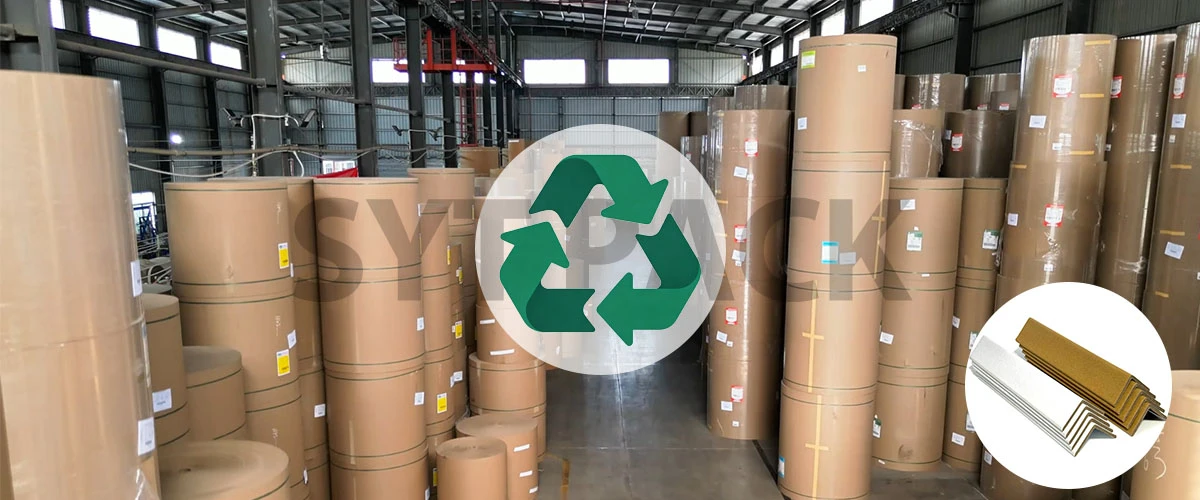
All standard paper edge guard products are manufactured from high-quality recycled kraft paper. The entire production relies on renewable paper resources instead of chemical synthetic materials. After cargo delivery, used, leftover or damaged paper edge guard scraps can be fully recycled and sent back to paper mills for pulping, filtering and remanufacturing. This forms a complete closed-loop circular supply chain that plastic and foam packaging cannot achieve. Recyclable packaging effectively reduces factory waste accumulation and lowers long-term packaging procurement costs for export enterprises.
100% Natural Biodegradable Performance
Without professional recycling treatment, waste paper edge guard can degrade naturally in soil and humid environments within several months. It produces no microplastics, no toxic residues and no permanent environmental pollution. This advantage solves the major waste-disposal pain points for food, textile, electronics, furniture and fresh fruit export industries. For brands pursuing green certification, biodegradable paper protective packaging is one of the most practical and cost-effective eco-upgrades.
2. Low-Carbon Production Reduces Supply Chain Emissions
Energy-Saving and Low-Carbon Manufacturing Process
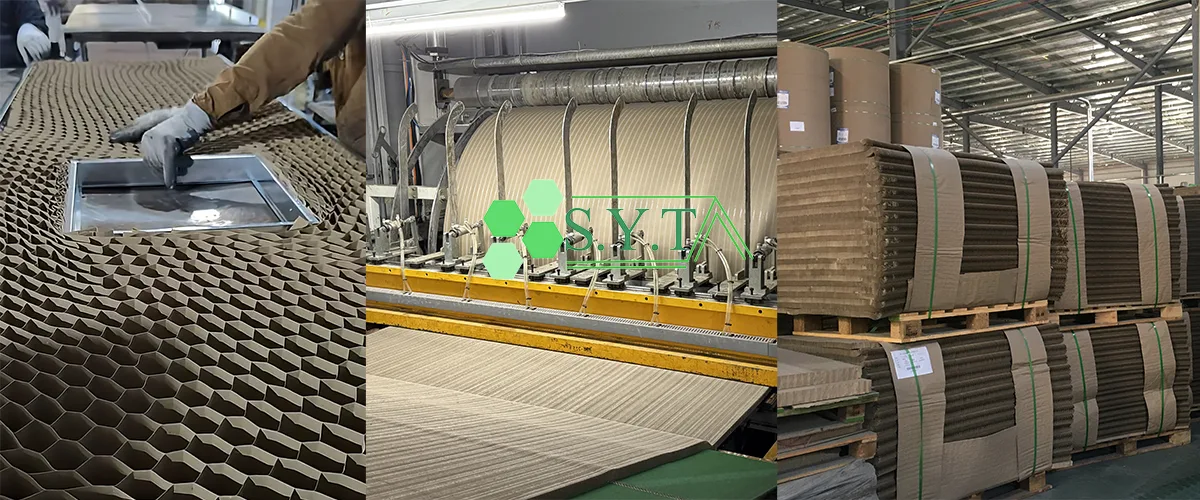
The production of paper edge guard adopts multi-layer paper lamination and plant starch glue bonding technology. The whole process requires far less electricity and fossil fuel consumption compared with plastic injection molding and foam high-temperature foaming. Each batch of paper edge guards generates significantly lower carbon emissions per unit product. For large-scale packaging factories, long-term adoption of paper protective strips can effectively reduce overall factory carbon output and realize green production transformation.
Help Enterprises Complete Carbon Footprint Assessment
More international buyers require suppliers to provide complete carbon emission reports and sustainable supply chain records. Stable application of paper edge guard packaging optimizes corporate carbon footprint data, helps factories pass green factory audits, and accelerates enterprise carbon neutrality planning. Excellent carbon assessment results also improve supplier competitiveness and increase opportunities for long-term cooperation with international environmentally conscious brands.
3. Compliance with Global Green Trade Standards
Meet EU and US Eco-Packaging Regulations
European and American markets have strict restrictions on non-recyclable, non-degradable packaging materials. Excessive plastic packaging will lead to customs inspection delays, return risks and additional environmental tariffs. As a fully eco-friendly packaging accessory, paper edge guard meets mainstream international environmental protection standards. It is widely recognized in food, beverage, daily consumer goods and fresh product export scenarios, ensuring smooth customs clearance for cross-border shipments.
Avoid International Environmental Trade Barriers
Many overseas ports have launched environmental inspection mechanisms for imported goods. Plastic and foam corner protectors are often regarded as high-pollution packaging and face extended inspection time or penalty fees. Using qualified paper edge guard can effectively avoid unnecessary inspection delays, container demurrage charges and trade risks, greatly improving the stability of export shipping schedules.
4. Enhance Corporate Green Brand Image
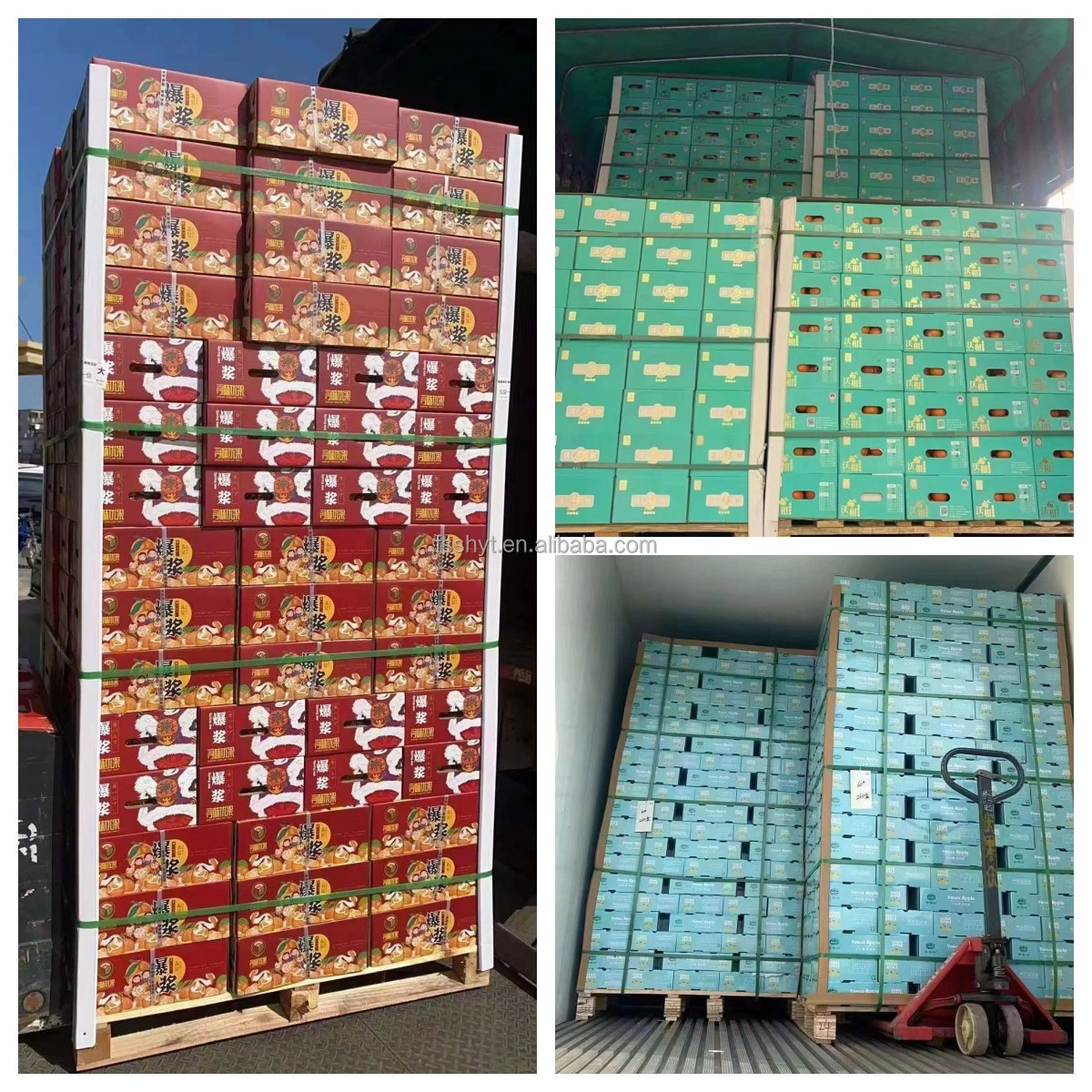
Global consumers and importers are increasingly favoring sustainable and eco-friendly brands. Adopting paper edge guard for cargo protection can directly improve the green supply chain image of export enterprises. It demonstrates corporate social responsibility and helps suppliers form competitive advantages in international bidding and customer screening. Meanwhile, paper edge guard maintains excellent compression resistance and impact resistance, fully meeting pallet stacking, sea freight and multi-transit protection requirements. It balances high protection performance and environmental value, becoming the ideal replacement for traditional plastic corner protection materials.
Buyers can select customized sizes, thicknesses and density grades of paper edge guard according to cargo weight and shipping methods to achieve the most cost-effective and sustainable packaging solution.