5 Reasons Honeycomb Paperboard Replacing EPS Now
Introduction
As international environmental regulations tighten, numerous global brands are re-evaluating their reliance on synthetic packaging materials. The shift from expanded polystyrene (EPS) to recyclable honeycomb paperboard is no longer just a sustainability goal; it is a strategic requirement for maintaining market access. For manufacturers shipping to Europe, North America, and Oceania, adopting paper-based buffering solutions is an essential step toward long-term regulatory compliance and brand integrity.
Why is the Environmental Impact of Honeycomb Paperboard Superior to EPS?
The primary driver for this transition is the significant difference in recyclability and biodegradation. According to industry reports, paper and paperboard packaging achieve a recycling rate of approximately 85% in highly regulated markets [1]. In contrast, the global recycling rate for EPS (styrofoam) remains significantly lower, often falling below 15% due to the high cost of collection and processing [2]. By integrating honeycomb cardboard, exporters ensure their packaging is compatible with standard municipal recycling streams, effectively avoiding the “plastic taxes” and extended producer responsibility (EPR) surcharges that are becoming mandatory in numerous regions.
How Does Honeycomb Paperboard Simplify International Biosecurity Compliance?
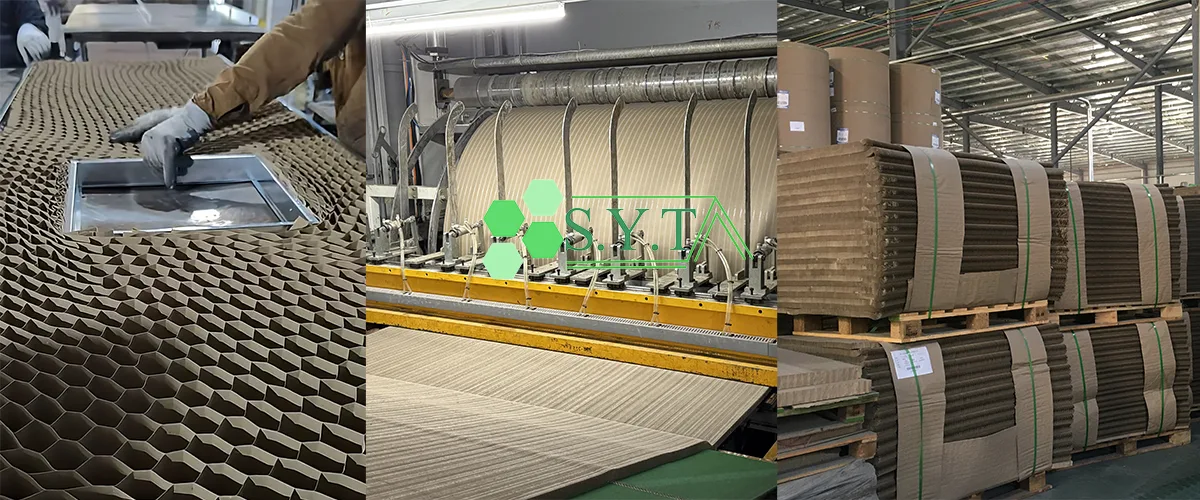
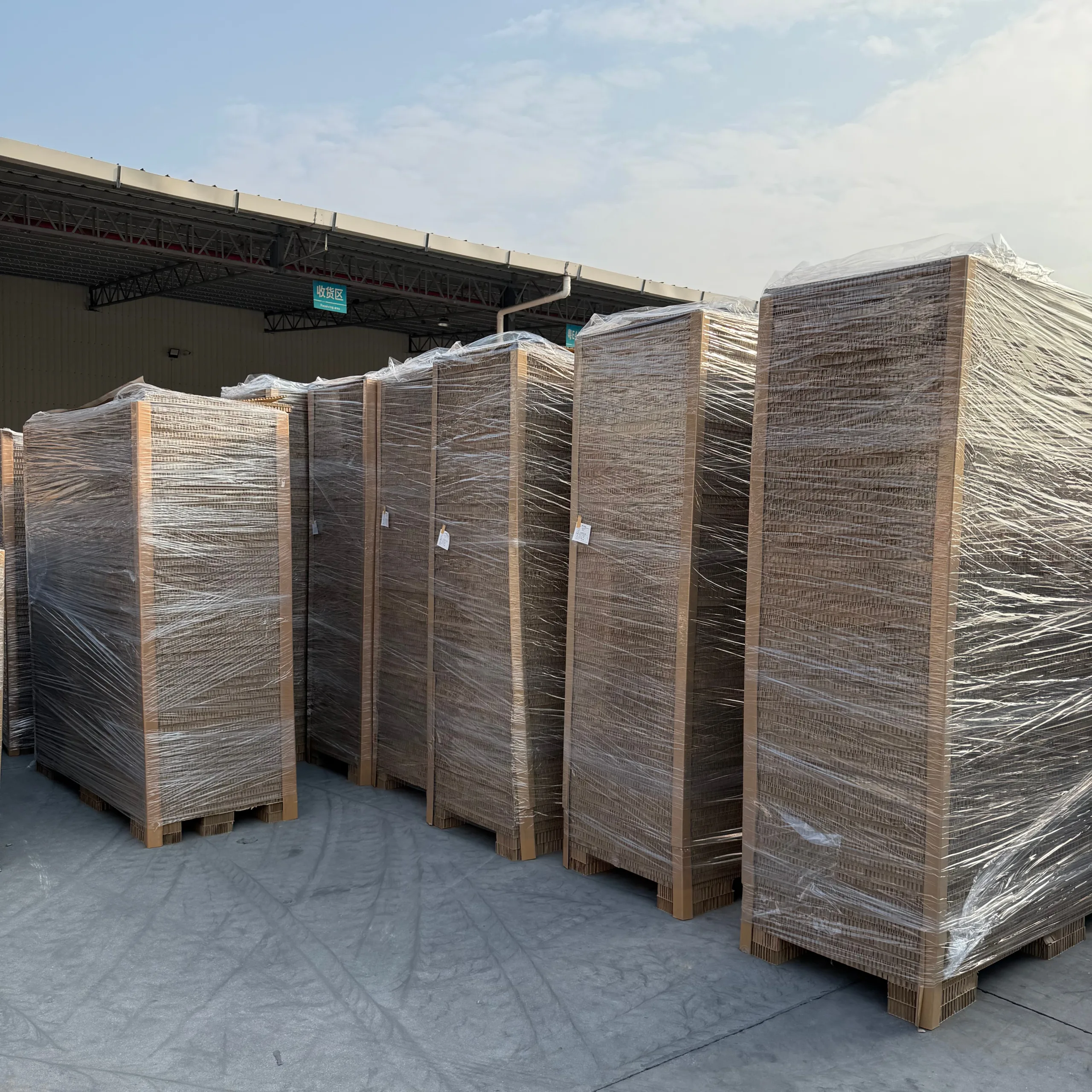
Beyond its ecological benefits, paper honeycomb offers a significant logistical advantage regarding biosecurity. Unlike raw timber packaging, which requires mandatory heat treatment or fumigation (ISPM 15) to prevent pest infestation, engineered honeycomb board is generally exempt from these requirements. The high-temperature bonding and drying processes used in manufacturing effectively neutralize biological risks. This ensures that shipments arrive at international borders without the risk of expensive quarantine delays or mandatory remediation fees often associated with non-compliant organic materials [3]. To further ensure shipping-readiness, our facility performs a careful pre-shipment quality inspection on every batch, verifying moisture levels and surface integrity before any pallet leaves the production line.
Can Sustainable Honeycomb Buffering Match the Performance of Plastic Foam?
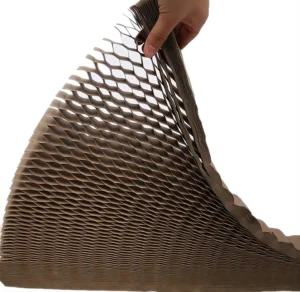
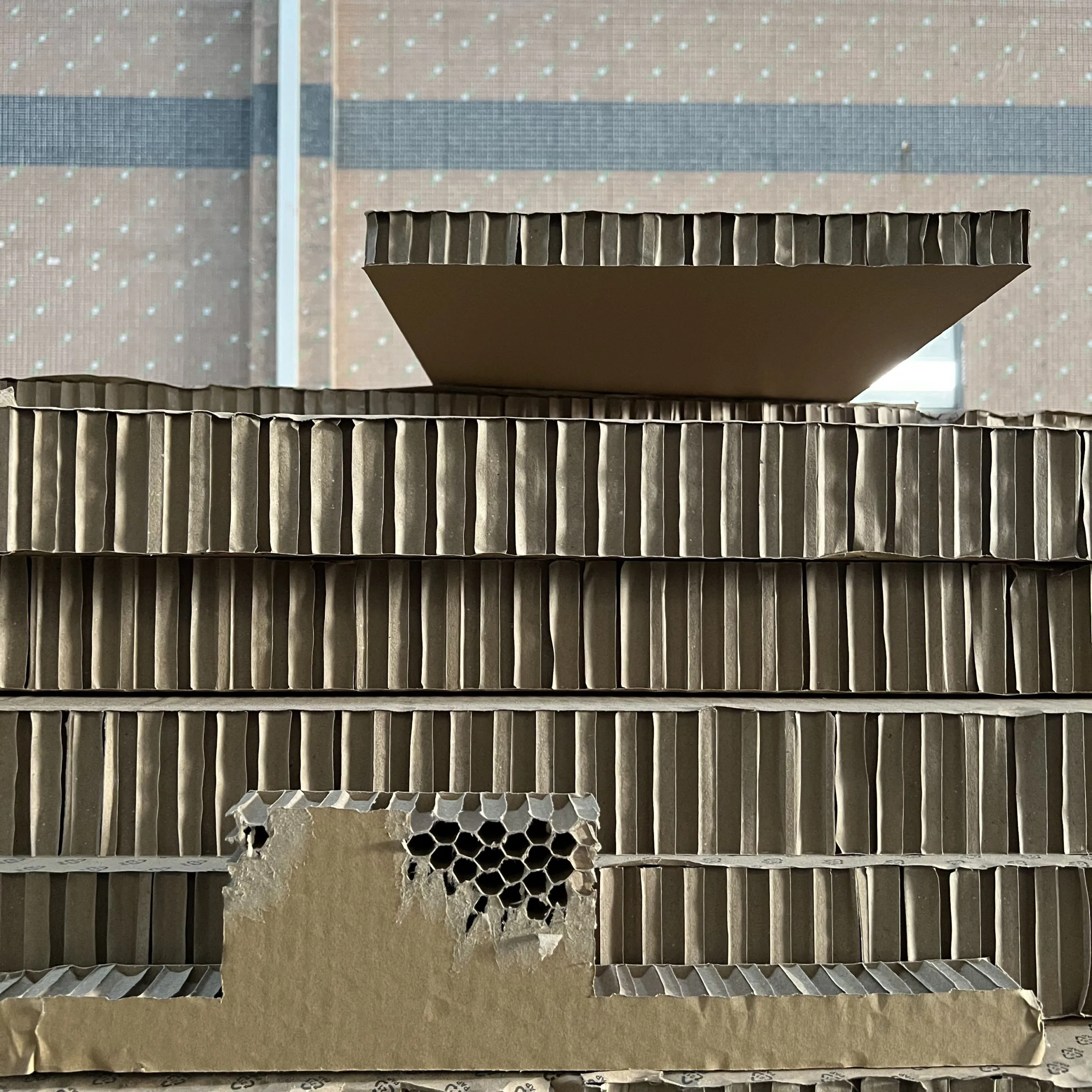
A common concern among engineers is whether paper-based solutions can provide the same level of protection as EPS. Through advanced hexagonal cell technology, honeycomb paperboard provides high flat-crush resistance and reliable shock absorption, effectively protecting products during transit. By utilizing starch-based, water-soluble adhesives, the structure remains rigid under pressure. Furthermore, while EPS is bulky and takes up significant warehouse space, honeycomb sheets can be shipped and stored flat, leading to a 15% to 20% improvement in warehouse space efficiency [4]. Our panels are also precision-processed with an even, smooth surface, making them suitable for premium printing and brand-focused packaging—a visual advantage that plastic foam cannot offer.
Why is a “Plastic-Free” Commitment Critical for Modern Brand Reputation?
In the contemporary marketplace, B2B buyers are increasingly responsible for the environmental footprint of their suppliers. Providing products in readily recyclable paper packaging is a powerful differentiator. By eliminating EPS, brands demonstrate a proactive approach to sustainability that aligns with the values of environmentally conscious consumers [5]. To support this commitment with verifiable proof, our honeycomb paperboard products carry FSC certification for responsible fiber sourcing, along with ISO, RoHS, SDS, and REACH compliance—documentation that allows your brand to clearly demonstrate compliance with global environmental and safety standards in every market you serve.
How Can a Factory Partnership Accelerate Your “Plastic-Free” Transition?
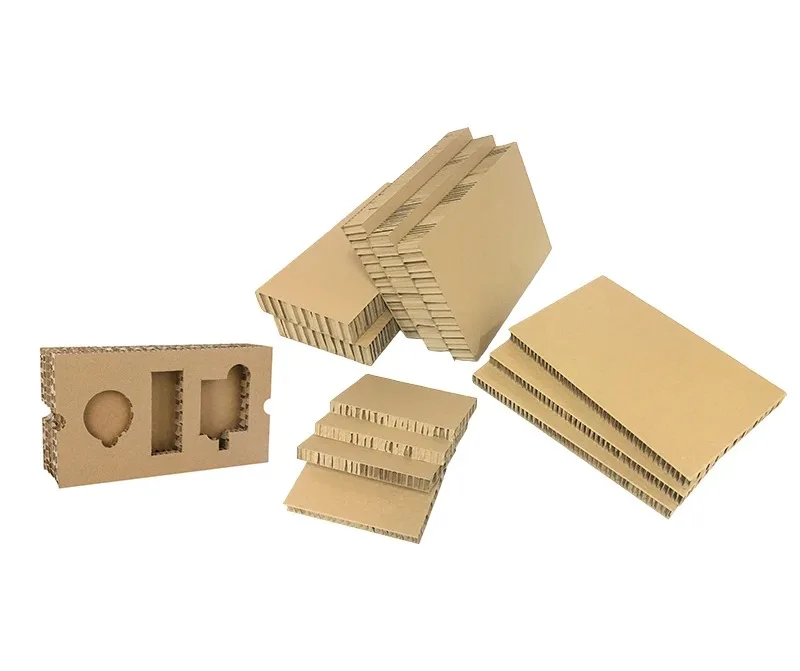
Switching packaging materials does not have to disrupt your production schedule. A vertically integrated manufacturer with an in-house facility of 30,000㎡+ can offer custom cutting patterns and fully customizable sizes, ensuring your new buffering system matches your product dimensions precisely. With 3-5 day fast sample production, you can validate the honeycomb solution quickly before committing to bulk volumes. This combination of engineering flexibility and rapid prototyping significantly shortens the transition timeline, allowing your brand to meet tightening regulations without sacrificing delivery performance.
Environmental & Compliance Matrix
Conclusion
Transitioning to honeycomb cardboard is an optimal decision for manufacturers seeking to future-proof their operations. By partnering with a certified source factory, brands can protect their products and the planet simultaneously—supported by FSC-certified materials, precise quality control, and fast sample turnaround. We are dedicated to providing the engineered solutions required to navigate the complex landscape of “plastic-free” international trade.
References: [1] CEPI. (2023). Key Statistics: European Pulp and Paper Industry. [2] EPA. (2022). Advancing Sustainable Materials Management. [3] DAFF. Biosecurity Import Conditions (BICON). [4] IEOM Society. (2023). [5] Soroka, W. (2009).