Custom Honeycomb Solutions: 5 Ways to Protect Solar Panels & Heavy Parts
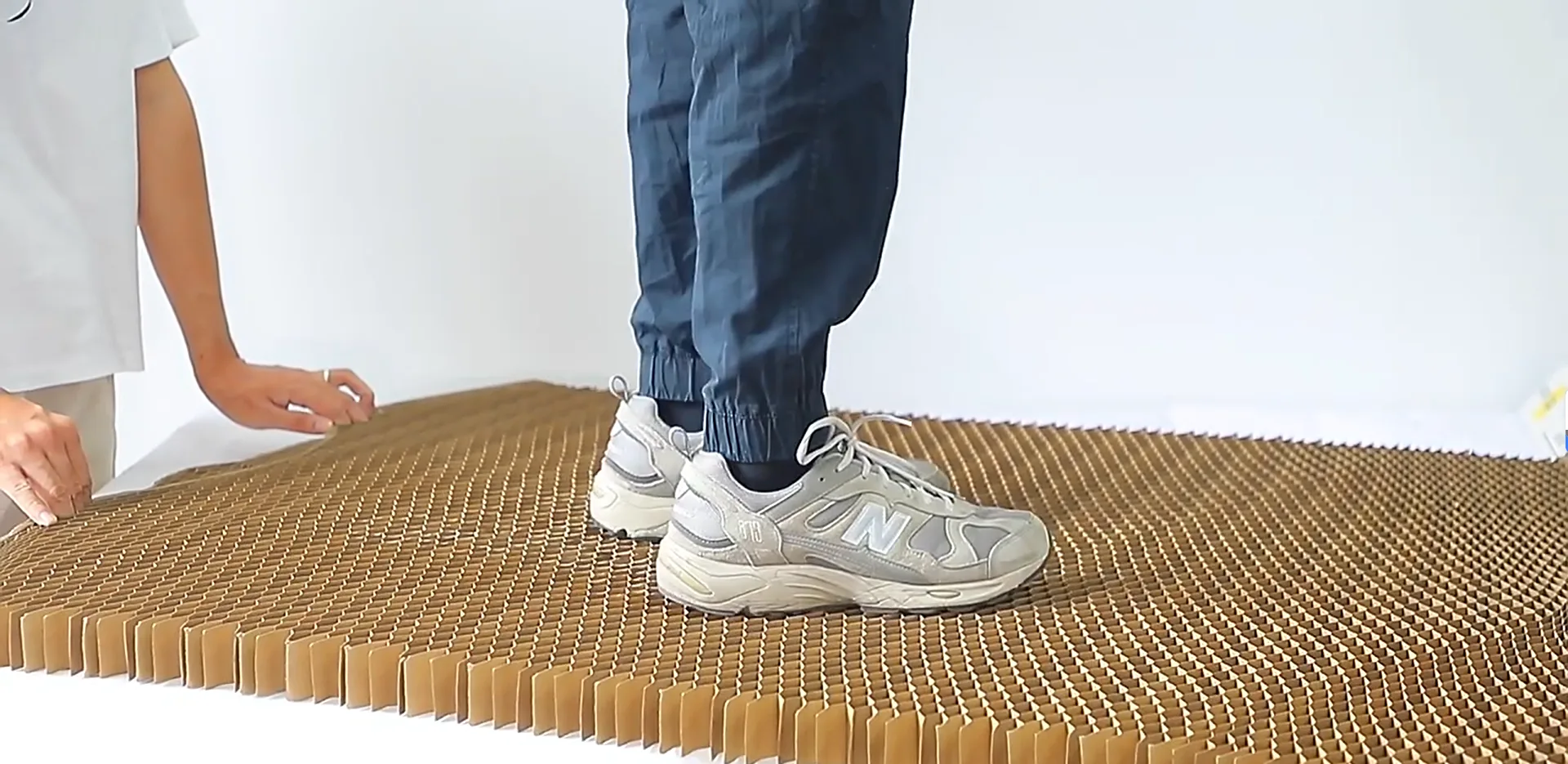
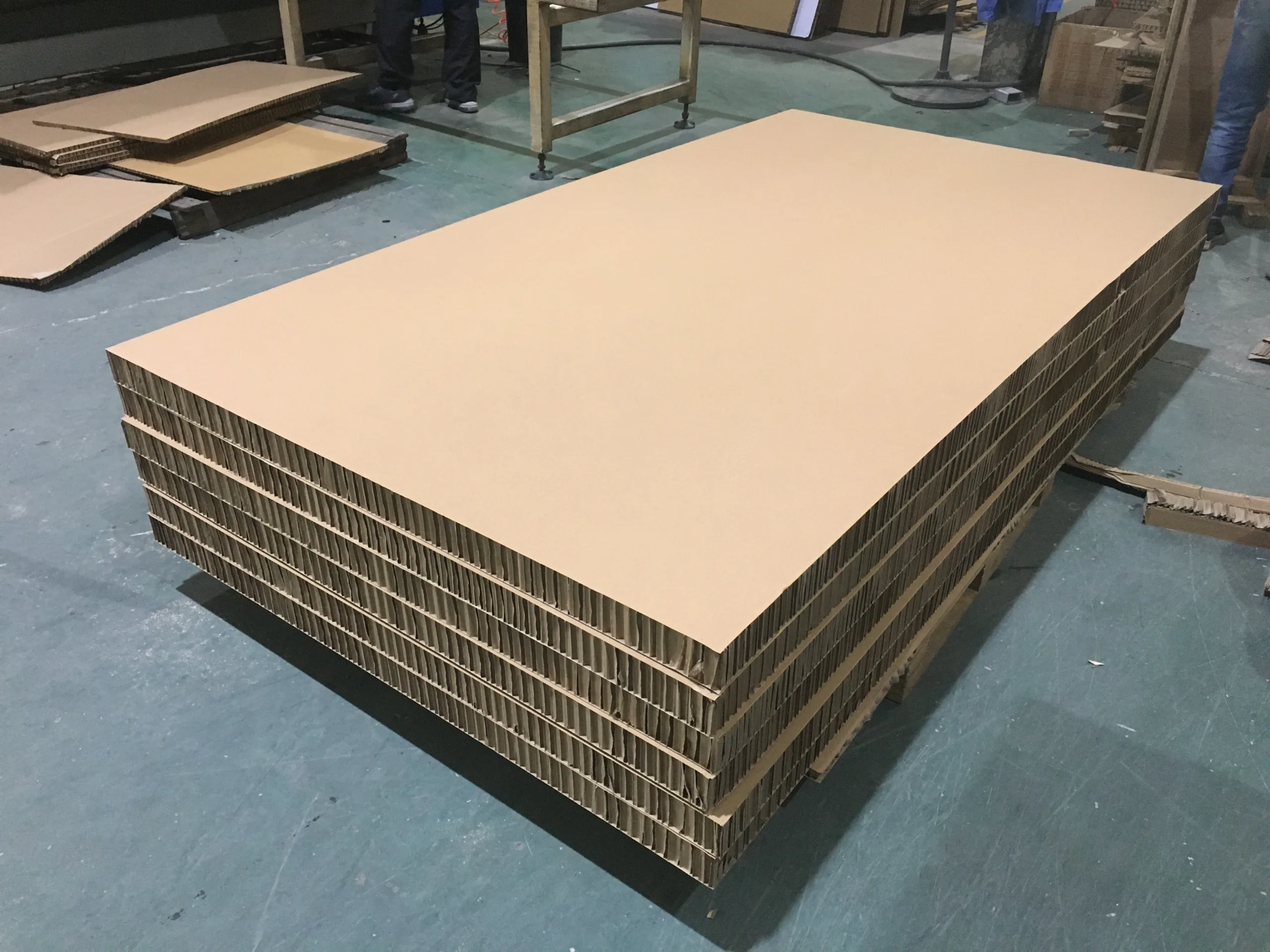
In heavy industry, packaging must carry high loads, limit movement and protect fragile surfaces at the same time. The “Pillar Effect” explains how a honeycomb structure can provide vertical support, but the practical challenge is applying that structure to products with different shapes, weights and load paths. Custom honeycomb solutions allow manufacturers to design protection around the cargo instead of forcing it into a generic package.
Why Do Solar Panels Require Active Vertical Support During Transit?
Solar modules are large and heavy, yet their glass and silicon cells remain sensitive to pressure, vibration and uneven loading. During sea transit, repeated movement may contribute to cell damage or micro-cracks that are difficult to identify during routine handling.
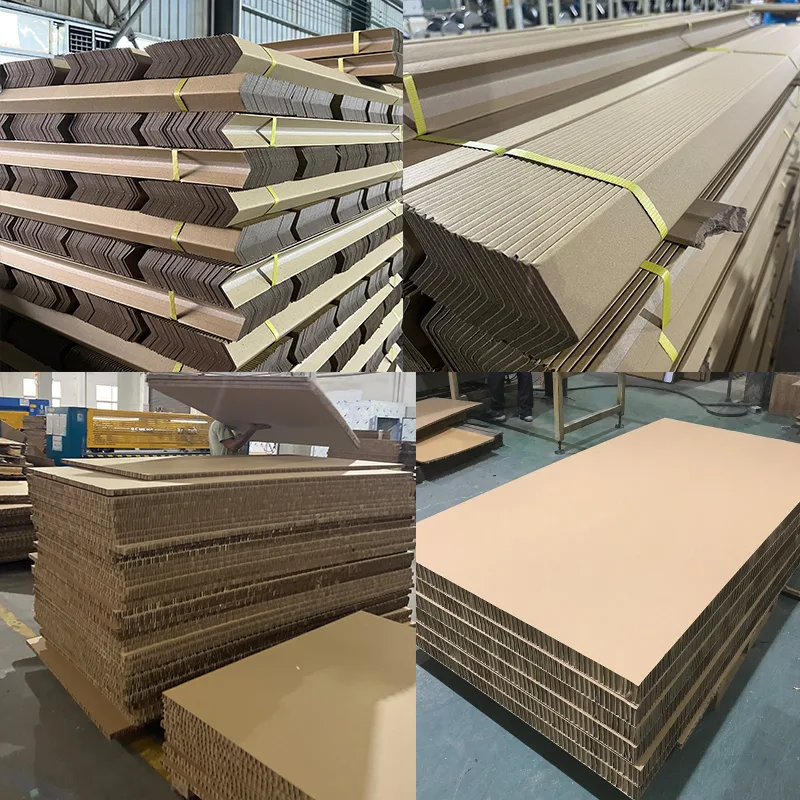
As discussed in our [guide on the Pillar Effect], heavy-duty honeycomb frames and edge supports can create a load path around the modules. Instead of allowing upper loads to rest directly on the glass, the packaging transfers pressure through the frame, edge supports and pallet base. Module dimensions, frame design, pallet height and loading method must be confirmed before production. A sample or layout drawing helps verify support points and clearances.
How Can Custom Honeycomb Solutions Secure Heavy Automotive Parts?
Engines, transmissions, brake discs and cast-metal parts are often compact but extremely heavy. Their concentrated point loads can crush ordinary corrugated packaging or deform a weak base.
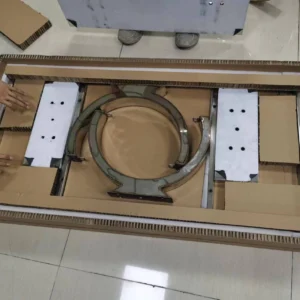
Custom honeycomb inserts can act as support platforms, separators or edge structures. Multi-layered, high-grammage sections distribute the load over a larger area, reduce sinking into the base and keep metal parts separated during transport. The design should also consider the part’s centre of gravity: support points that are too far apart or too high can allow movement. Product weight, contact points and handling direction should be checked through a sample before bulk production.
How Can Custom Honeycomb Solutions Structures Protect Industrial Machinery Parts?
Pumps, motors and fabricated metal assemblies often combine high weight with irregular shapes. Sharp edges, feet, flanges and fittings can damage the carton or create pressure at only a few contact points.
A custom honeycomb solution can combine edge protection, load distribution, spacing and separation. Reinforced corners protect projections, while shaped supports keep the part away from the carton wall. Additional blocks or layered panels can support feet and base sections. This approach suits products for which a wooden crate is excessive but a standard carton lacks structural support. The design should be based on a drawing or physical sample, including weight, dimensions, lifting points and stacking direction.
Why Is Precision Fit Important for Large-Scale Glass?
Large glass panels and mirrors need controlled positioning, not only cushioning. Lateral movement can cause edge chips, corner damage or contact between adjacent panels. With die-cut honeycomb hollows and custom slots, support can be designed around the panel thickness, edge profile and stacking arrangement.
The aim is to limit movement while keeping pressure away from sensitive surfaces. This measured-fit approach also suits stone slabs, ceramic panels and other flat, fragile products. Slot width, support depth and clearance should be checked with the actual product or an approved drawing: too loose allows movement, while too tight may create pressure during loading.
How Do Integrated Custom Honeycomb Solutions Affect Total Freight Costs?
The comparison with wooden crates should be based on total landed cost, not material price alone. Three areas deserve attention:
- Weight: Paper honeycomb structures may weigh less than comparable wooden components in suitable applications, reducing handling weight and some transport charges.
- Export handling: Paper-based packaging does not involve the same solid-wood treatment considerations as raw wood packaging. Importers should still confirm requirements for the complete shipment, including pallets and wooden parts.
- Space: Custom supports may allow a more compact pallet or carton design. The result depends on product geometry, stacking method and required clearances, so it should be confirmed with a layout drawing.
A proper comparison includes material, assembly, handling, damage risk, storage and freight. A lighter package is useful only when it still protects the product and fits the loading process.
Conclusion
Custom honeycomb solutions can be adapted to solar modules, automotive components, industrial machinery, glass and other high-value cargo. The key is to match the support layout with product weight, contact points, centre of gravity, surface sensitivity and transport direction.
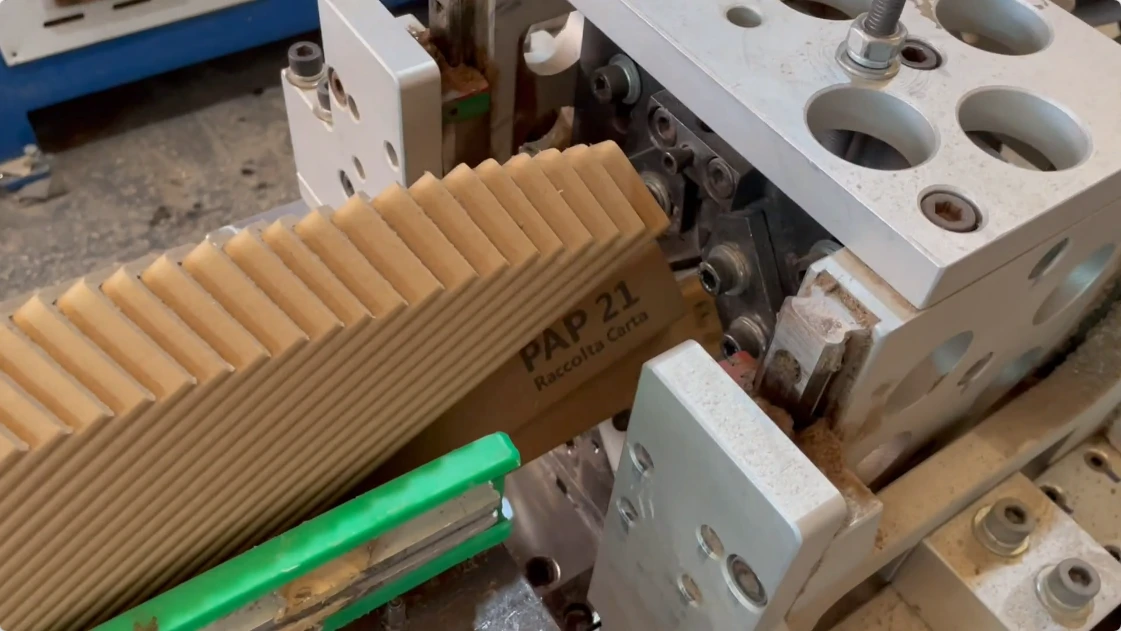
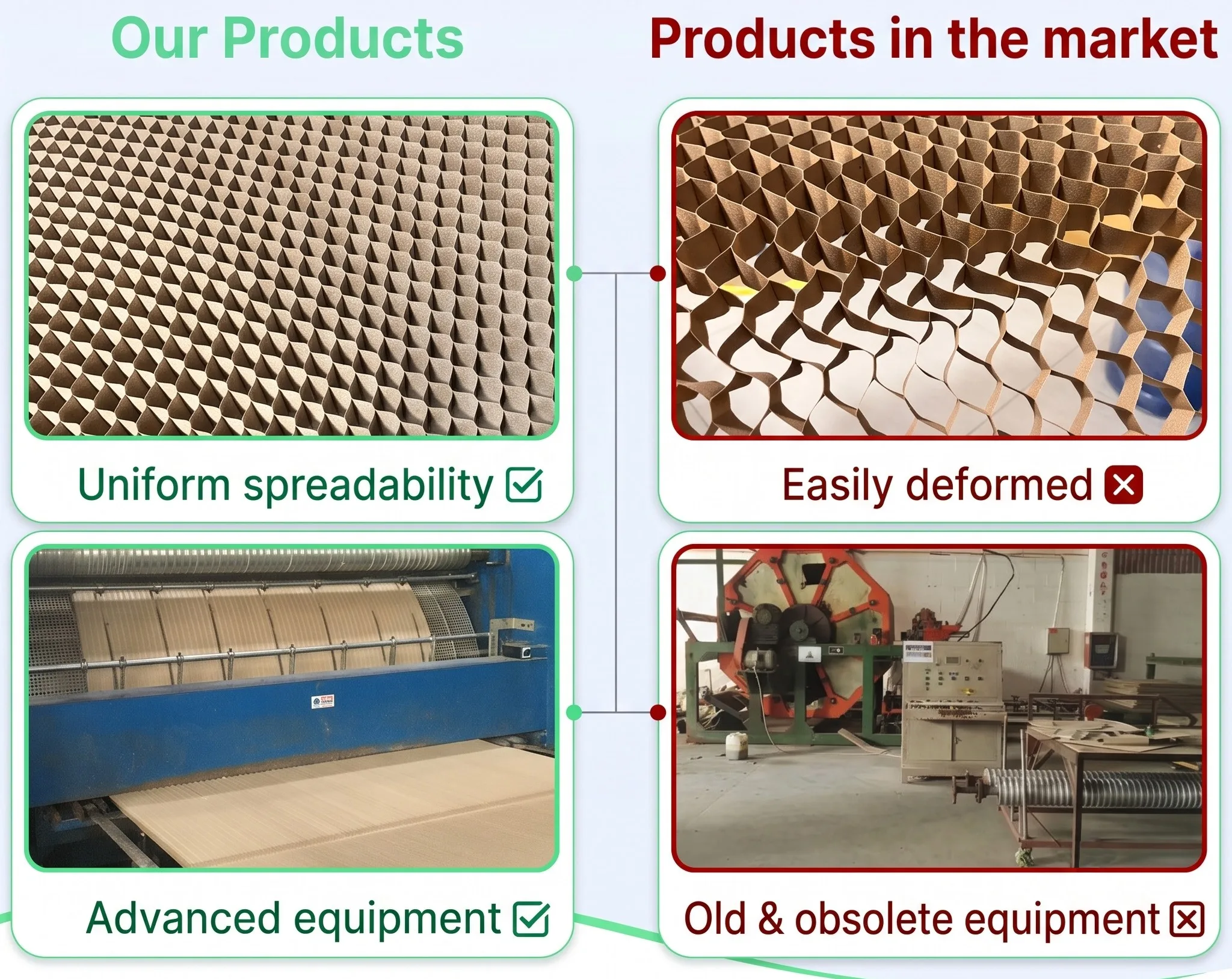
At our facility, we develop honeycomb packaging around drawings or physical samples and adjust the structure for different load requirements. Our process includes moisture control, custom cutting and sample verification before bulk production. Send us your product dimensions, weight, stacking method and destination for a custom consultation and sample plan.
Technical note: final performance depends on product design, material specification, loading method and transport conditions. Sample validation is recommended before bulk production.