Furniture Edge Protection: 5 Questions to Choose Paper Corner Protectors
Furniture panels can leave a factory in good condition and still arrive with crushed corners, strap marks or chipped edges. These problems can come from pallet stacking, strap tension, carton compression and repeated handling.
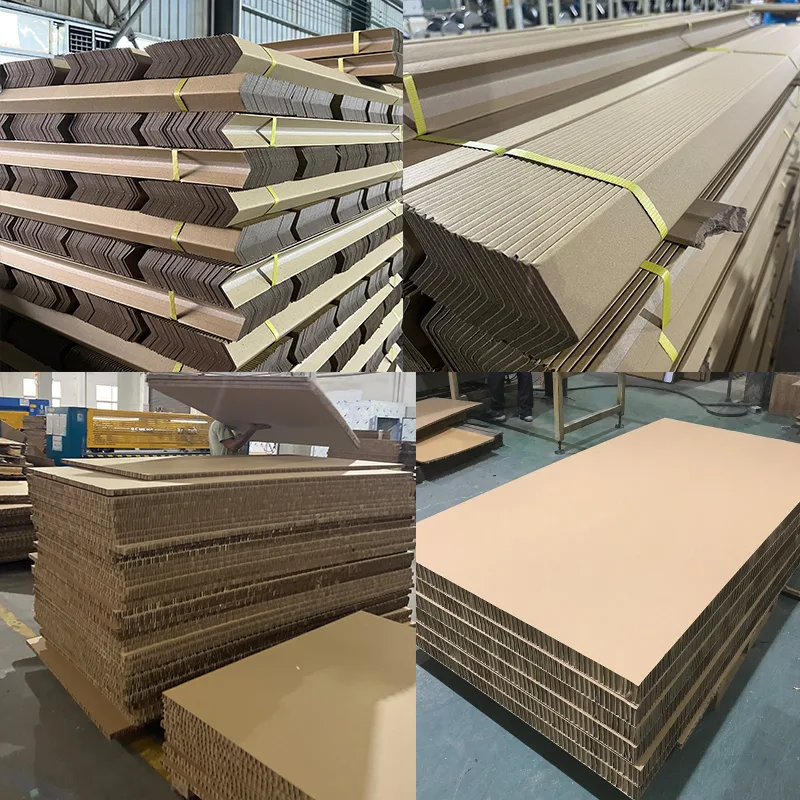
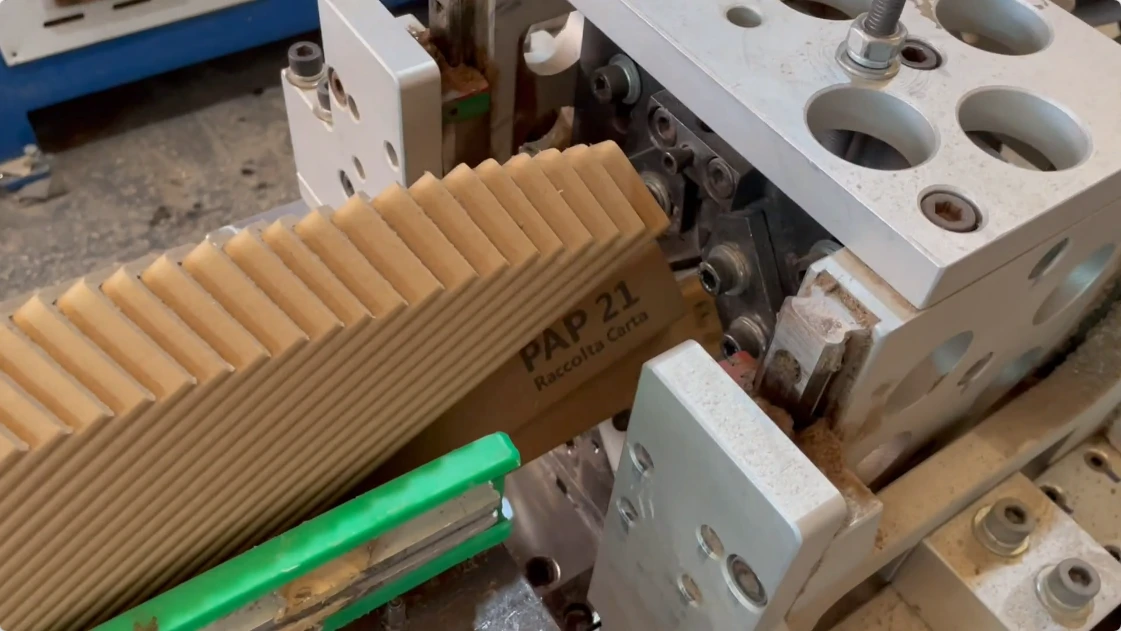
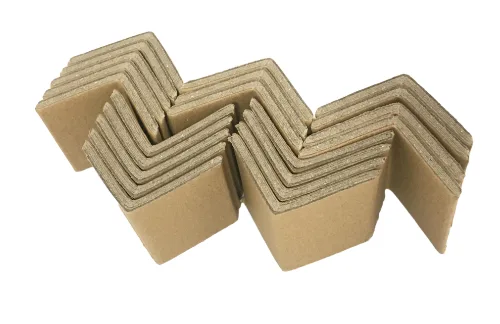
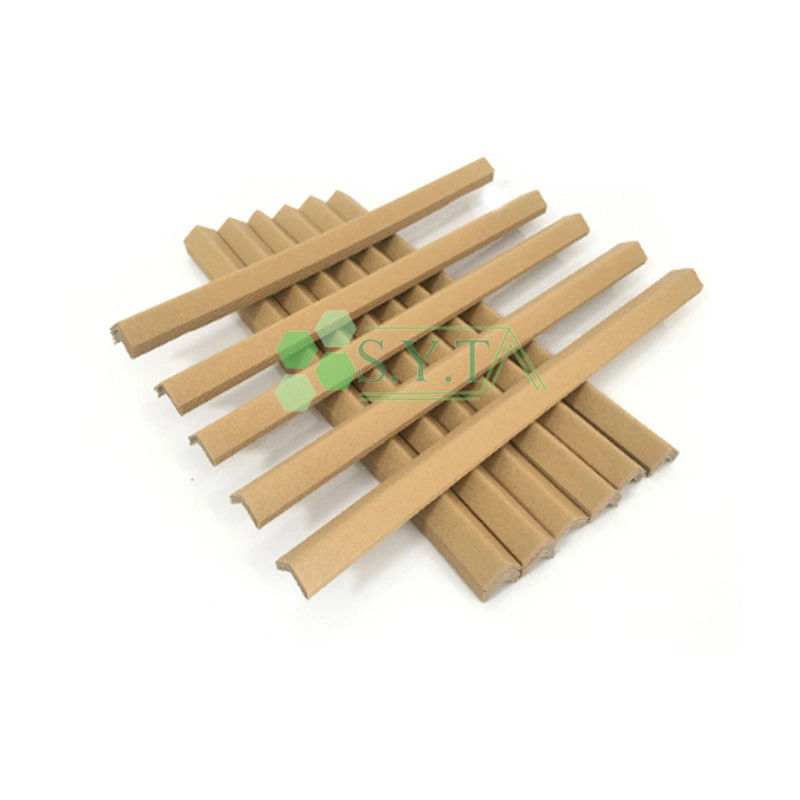
Paper corner protectors and angle boards can support panel edges and distribute strap pressure. The position and profile depend on panel material, load weight, strap type and stacking method.
Which furniture edges need protection during export handling?
Identify the exposed edges that contact the carton, pallet, strap or neighbouring packages. Long panels may need protection along their outer edges, while flat-pack furniture often needs attention around corners and strap lines. Furniture edge protection is ineed important.
A pallet corner may carry stacking pressure, while a long side may rub against the carton or container wall. Mark these contact points before selecting the paper angle.
How do paper corner protectors distribute strap pressure?
A strap applies tension along a narrow line. Without support, it can concentrate pressure on a small area and cut into the packaging. A paper corner protector creates a wider contact surface and helps transfer force along the edge.
The result depends on profile, leg width, thickness, paper construction and strap tension. Steel, PET and PP straps may require different considerations, and the protector should sit fully against the edge.
Should the same angle board be used for every furniture load?
Not necessarily. A cabinet panel, packed wardrobe and stone-topped furniture set create different loads. The profile should reflect panel weight, pallet height, edge strength and strap count.
When requesting a quote, provide panel dimensions, product weight, pallet pattern, strap type and stacking height. The factory can then discuss leg width, thickness and length instead of comparing price per piece alone.
Where should protection be added on a pallet of mixed-size furniture?
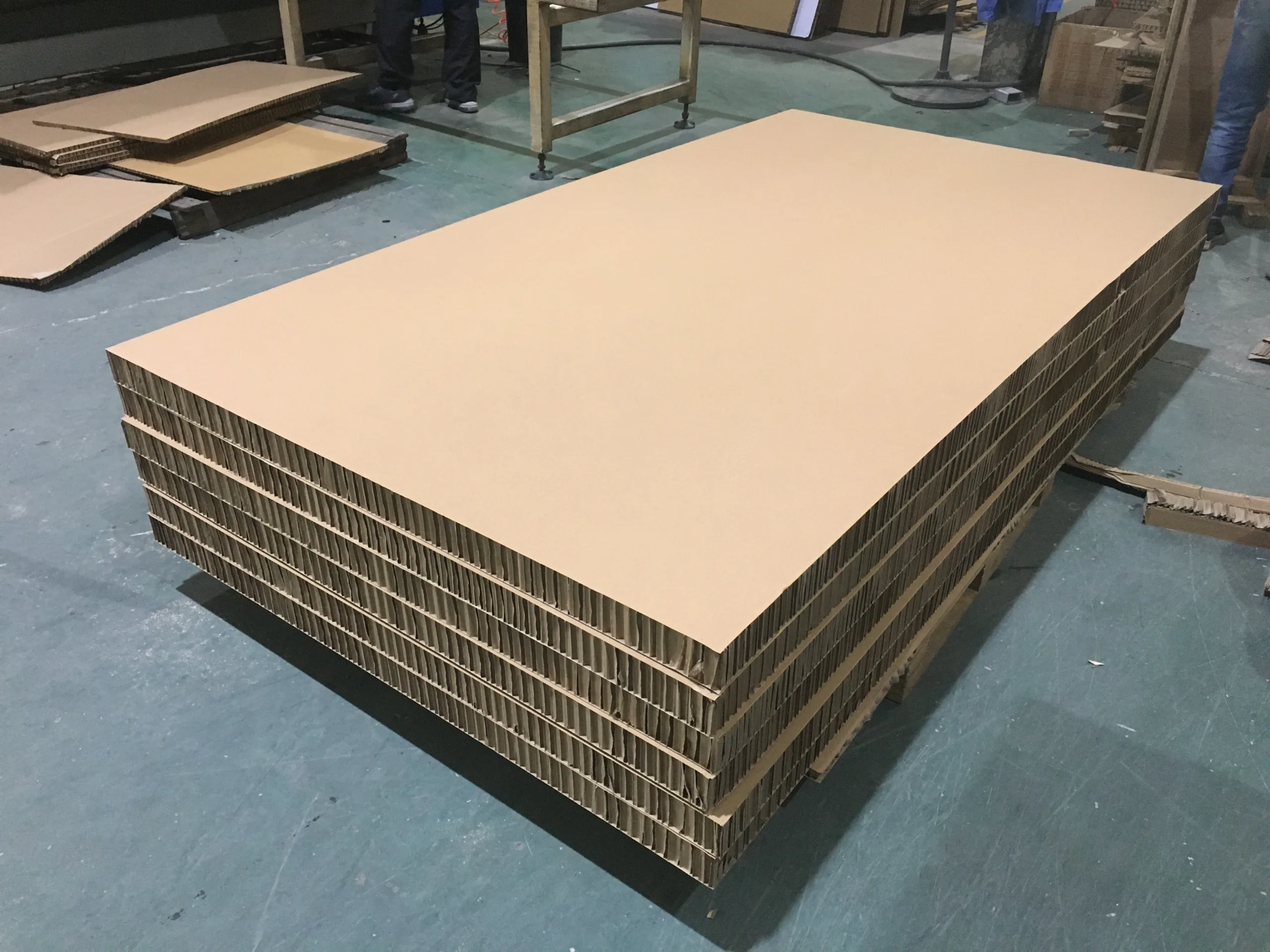
Mixed-size pallets create high and low points. A strap may cross one carton edge correctly but remain unsupported over a lower package. Corner protectors can cover main vertical corners and selected strap lines, while honeycomb board can serve as a separator or top layer. So furniture edge protection is ineed important.
Also consider whether the pallet will be wrapped, stacked or moved by forklift. Top-edge protection does not replace support at the base or pallet contact points.
How can buyers compare paper corner protectors before ordering?
Ask for profile dimensions, paper construction, length tolerance, moisture target and packing method. Test a sample on the actual panel edge and under the intended strap. Check seating, edge compression and strap position.
For mixed furniture loads, also review how the angle board fits the pallet pattern and carton height. A protector that works on one strap line may need a different length or leg width when the load changes.
Our paper angle boards can be produced to custom dimensions, with batch checks for size and moisture. The usual export moisture target is 8%–10%, while the final specification should match the route, product weight and storage conditions.
How Can Furniture Exporters Confirm the Right Profile?
Furniture edge protection should follow the load’s pressure points. Review strap lines, pallet corners, long panel edges and contact surfaces before choosing the paper angle profile. We support custom paper corner protectors for furniture panels, palletised loads and export cartons.
Send us your panel size, pallet layout, strap type and product weight for a sample configuration.
What should furniture exporters review before approving an edge protection sample?
A practical sample review can include the packed panel, the intended carton, the actual strap and the pallet arrangement used for shipment. Place the protector at the proposed contact points and check whether it remains aligned during tightening. Review the carton after strapping to see whether the edge protector distributes pressure or leaves a visible compression line. Furniture edge protection is ineed important.
Buyers should also consider storage time and warehouse conditions. A pallet that remains stable for a short local delivery may need a different arrangement for a longer export route or repeated transfers. If the cargo is mixed in size, mark the locations where the strap changes height and confirm that each important contact point has suitable support.
The approved sample should be documented with profile dimensions, length, material construction, packing quantity and placement photos. This information gives the production and packing teams a shared reference. If the furniture design or pallet pattern changes, the protection plan should be reviewed rather than copied without adjustment. This is especially useful when a new carton size, strap position or export market changes the way the load is handled.
Technical note: the appropriate profile depends on the product, strap tension, pallet design and handling conditions. Sample testing is recommended before bulk production.